
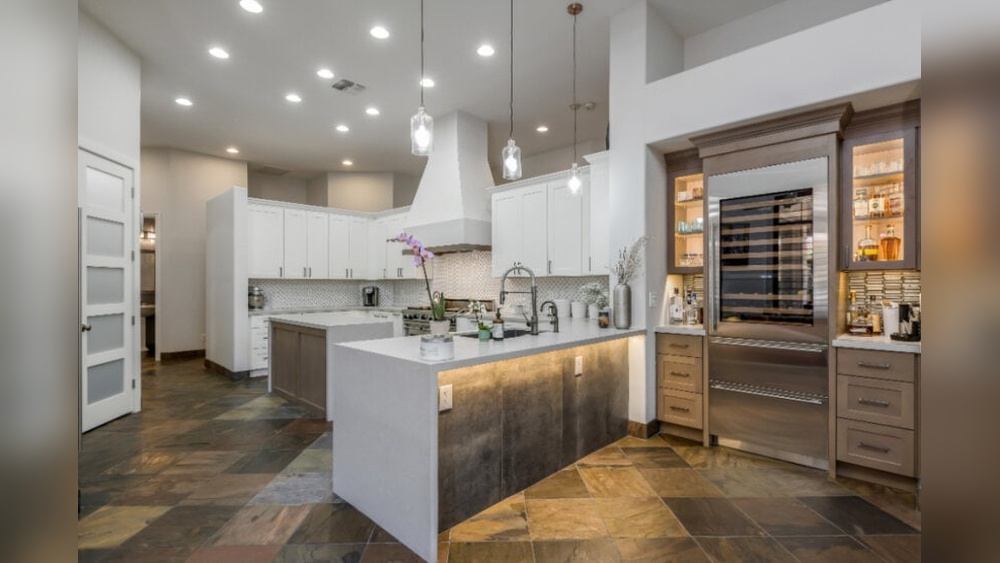
Are you wondering if your kitchen island can be taller than your cabinets? This is a common question when planning a kitchen makeover.
The height of your island can change how your kitchen looks and feels. It can affect your comfort, style, and even how you use the space every day. You’ll discover the pros and cons of a taller kitchen island and get tips to make sure it fits perfectly in your home.
Keep reading to find out how to create a kitchen that works best for you.
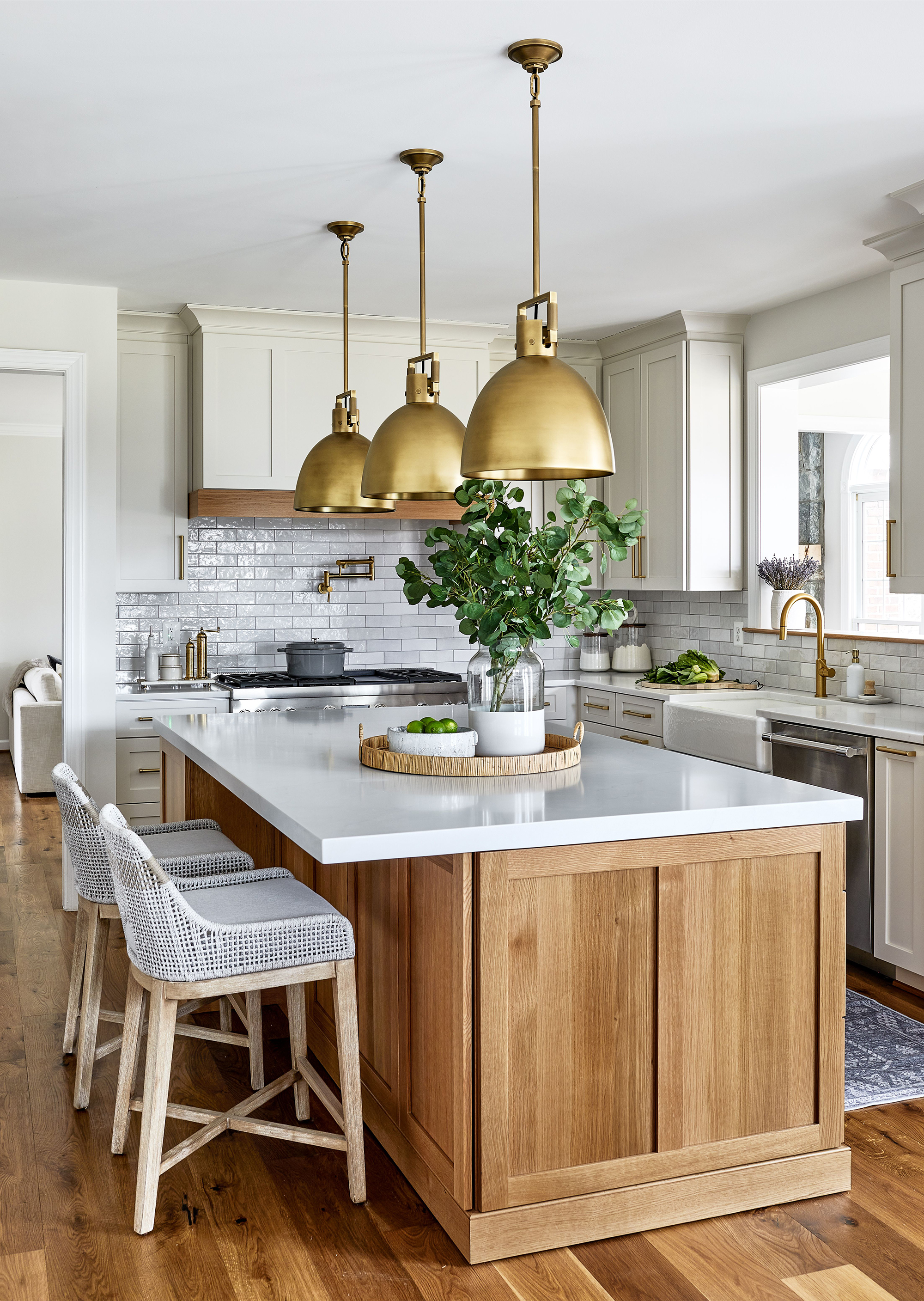
Credit: www.homesandgardens.com
Ideal Kitchen Island Heights
The height of a kitchen island plays a big role in its comfort and usefulness. Choosing the right height helps with cooking, dining, and socializing. Islands can be taller than cabinets, but the height must fit the kitchen’s needs.
Understanding standard heights and options makes it easier to pick the best size. Consider how you use your kitchen and who will use the island most.
Standard Cabinet Heights
Most kitchen base cabinets are about 34.5 inches tall. Adding a countertop brings the total height to 36 inches. This height suits most kitchen tasks and matches common appliance sizes. Cabinets at this height create a smooth, uniform look.
Common Island Height Options
Kitchen islands come in different heights depending on their use. A standard island height is 36 inches, matching the cabinets. Taller islands, around 42 inches, work well for bar seating. Some islands have mixed heights for cooking and eating areas. Choosing the right height depends on comfort and purpose.
Factors Influencing Height Choices
Consider who will use the island. Taller people may need higher counters. Think about the activities done at the island, like chopping or eating. The type of stools or chairs also affects height choice. Kitchen layout and style can guide the height decision.
Benefits Of A Taller Kitchen Island
A taller kitchen island offers many benefits beyond just extra height. It can improve comfort, usability, and style in your kitchen space. Choosing a taller island can change how you use the kitchen, making it more practical and inviting.
Enhanced Seating Comfort
Taller kitchen islands create better seating for bar stools. They allow people to sit upright without hunching. This height is perfect for casual meals or social gatherings. Guests can enjoy a comfortable spot to chat or eat.
Improved Workspace Ergonomics
Working at a taller island reduces strain on your back. It matches better with standing tasks like chopping or mixing. You avoid bending over too much, which helps prevent discomfort. This height makes cooking and prep work easier and safer.
Visual Impact And Style
A taller island stands out as a bold design feature. It adds depth and dimension to the kitchen layout. The height difference creates a pleasing contrast with lower cabinets. This adds a modern, stylish look to the room.
Challenges With Taller Islands
Taller kitchen islands bring a fresh look but also some challenges. These islands stand higher than standard cabinets. This height difference can affect how the kitchen feels and works. It requires careful planning. The design must flow well and not disrupt daily kitchen tasks. Below are key challenges to consider with taller islands.
Coordination With Cabinet Layout
Taller islands need careful coordination with cabinet heights. Cabinets and islands should feel connected visually. If the island is too tall, it may look out of place. Matching styles and colors helps blend the pieces. Also, the island height should not block views or access to cabinets. Proper alignment keeps the kitchen organized and easy to use.
Potential Workflow Disruptions
The kitchen workflow can change with a taller island. It may be harder to reach items or see across the space. Taller islands can limit movement between stove, sink, and fridge. This slows down cooking and cleaning tasks. Planning paths and work zones helps reduce these problems. The island should support, not hinder, daily kitchen use.
Balancing Proportions In Kitchen Design
Height affects kitchen balance and style. Taller islands can dominate the room if not balanced. The rest of the kitchen should complement the island’s size. Using the right lighting and accessories can soften the look. Proper proportions make the kitchen feel welcoming and spacious. Design choices should create harmony, not clash.
Design Tips For Taller Islands
Designing a kitchen island taller than the cabinets can add style and function. It creates a unique focal point and changes the kitchen’s look. Careful planning makes sure the taller island fits well in the space and feels comfortable to use.
Choosing The Right Height
Pick a height that suits your kitchen and needs. Standard cabinets are about 36 inches tall. Taller islands can range from 42 to 48 inches. This height works well for standing tasks and casual meals. Measure your space and test different heights before deciding.
Selecting Appropriate Seating
Choose seating that fits the island height. Taller islands need taller stools or chairs. Bar stools usually work best for heights over 42 inches. Make sure the seats are comfortable and the right height for your island. Leave enough legroom under the counter for easy sitting.
Incorporating Storage Solutions
Use the extra height for added storage. Taller islands offer more room for cabinets and shelves. Store pots, pans, or kitchen tools inside. Open shelves or drawers help keep items organized. Smart storage keeps the kitchen neat and functional.
Materials And Finishes
Choosing materials and finishes for a taller kitchen island is important. The right choices keep the space balanced and practical. Materials must handle daily use and look good with the cabinets. Finishes should blend with the kitchen’s style and colors. Lighting plays a key role in highlighting textures and shapes.
Durable Surfaces For Height
Taller kitchen islands need strong surfaces. Quartz and granite resist scratches and stains well. They hold up under heavy use. Wood can work if sealed properly. It adds warmth but needs care against spills. Choose materials that stay beautiful and last long.
Color And Texture Coordination
Match island colors with cabinets for a smooth look. A contrast can create a focal point. Matte finishes hide fingerprints, glossy surfaces reflect light. Wood grain adds natural texture. Keep colors simple to avoid visual clutter. Texture and color should feel part of one design.
Lighting Considerations
Light affects how materials appear. Bright light shows every detail and imperfection. Soft light makes surfaces look warm and inviting. Pendant lights above the island add style and focus. Use lighting to emphasize height and material beauty. Proper lighting creates a welcoming kitchen space.
Customizing For Different Kitchen Styles
Customizing a kitchen island height lets you match your kitchen style perfectly. A taller island can offer better function and stand out as a design feature. Different kitchen styles benefit from specific island heights and shapes. This helps the space look balanced and feel comfortable.
Choosing the right height depends on your kitchen’s look and how you use the island. Some styles favor clean, sleek lines, while others embrace warmth and detail. Adjusting the island height can highlight these traits.
Modern And Minimalist Designs
Modern kitchens often use taller islands to create a bold, sleek look. These islands have clean edges and simple shapes. A taller island fits well with bar stools for casual dining. It also offers extra storage without cluttering the space. The height adds a sense of openness and style.
Traditional And Rustic Themes
Traditional kitchens prefer islands closer to cabinet height for a cozy feel. A slightly taller island can add charm and function. Wood textures and detailed designs match well with this height. It keeps the kitchen warm and inviting. The island can serve as a prep area or gathering spot.
Transitional Approaches
Transitional kitchens blend modern and traditional styles smoothly. Here, a kitchen island taller than cabinets can balance both looks. The height creates a focal point without clashing with cabinets. Materials and colors often mix old and new. This style allows more flexibility with island height and design.
Expert Advice And Common Mistakes
Choosing the right height for a kitchen island can be tricky. Experts often see common mistakes that affect both style and function. Knowing these tips helps create a balanced, useful space.
Avoiding Height Imbalance
Keep the island height close to cabinet height for visual harmony. A very tall island can look out of place. It also breaks the flow of the kitchen design. Balance helps the space feel open and inviting.
Maintaining Functional Flow
Work areas must connect smoothly. A taller island may block sightlines or movement. Make sure it does not interrupt cooking or cleaning paths. Clear flow keeps the kitchen efficient and safe.
Maximizing Usability
Consider how you will use the island. Taller islands suit bar seating or standing work. Lower islands fit food prep or kid-friendly tasks. Match island height to its main function for best results.
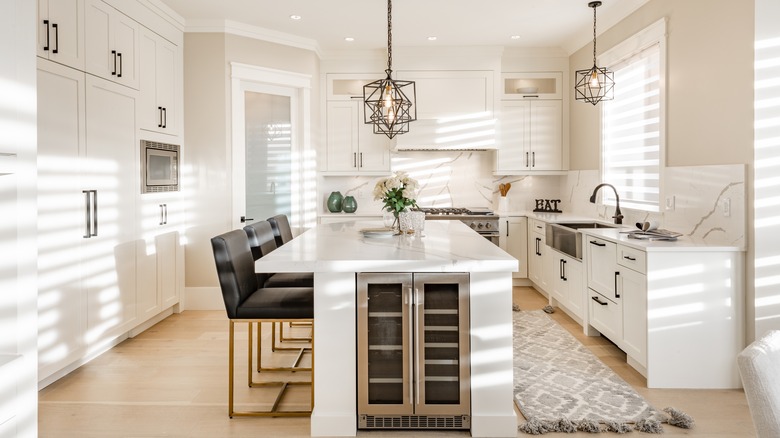
Credit: www.housedigest.com

Credit: phxhomeremodeling.com
Frequently Asked Questions
Can A Kitchen Island Be Taller Than Cabinets?
Yes, a kitchen island can be taller than cabinets. Taller islands create a distinct workspace and seating area. They improve functionality and add visual interest to your kitchen design.
Why Choose A Taller Kitchen Island?
A taller kitchen island offers ergonomic benefits for cooking and dining. It provides comfortable seating and separates the prep area from the rest of the kitchen. It also enhances storage options underneath.
How Tall Should A Kitchen Island Be?
Standard kitchen islands range from 36 to 42 inches tall. Taller islands typically measure 42 to 48 inches for bar seating. Choose height based on your kitchen layout and user comfort.
Will A Taller Island Affect Kitchen Flow?
A taller island can affect kitchen flow if not planned well. Ensure enough clearance around the island for easy movement. Proper design maintains a smooth and functional kitchen workflow.
Conclusion
A kitchen island can be taller than cabinets. This difference adds style and function to your space. Taller islands create a great spot for eating or working. They also help separate cooking and dining areas. Just measure carefully to keep things comfortable and safe.
Choose a height that fits your needs and kitchen size. Remember, design should feel natural and easy to use. A taller island can make your kitchen more inviting and practical. Think about how you will use it every day.

As the chief content writer, Hassan Al Sarker works as a professional kitchen-based content creator at Kitchen Liker.
In addition to reviewing the content published on Kitchen Liker, he ensures that it is accurate, relevant, and helpful. As a result, all the reviews and information published at Kitchen Liker are neutral and userfriendly.
Hassan Al Sarker has a bachelor’s degree in Hotel and Tourism Management From the Newyork University. Before joining Kitchen Liker, he was a contributor at Kitchen Club, United States.