
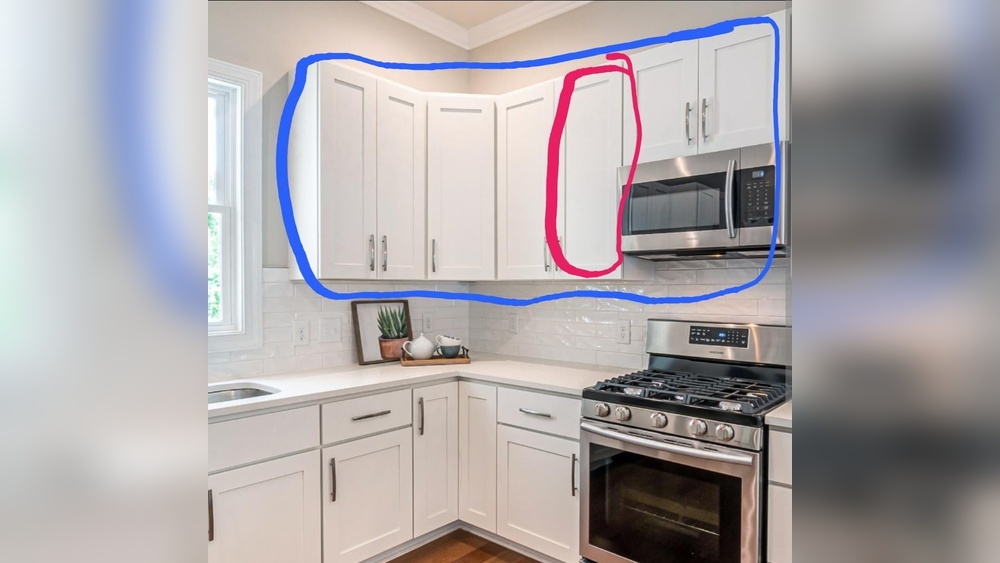
Have you ever wondered just how much weight your kitchen cabinets can safely hold? Whether you’re storing heavy pots, stacks of dishes, or pantry supplies, knowing the strength of your cabinets is crucial.
You don’t want to risk sagging shelves or worse—damage that could cost you time and money. You’ll discover exactly what affects your cabinets’ weight capacity and how to make the most of your storage space without overloading it. Keep reading to protect your kitchen and make smarter storage choices today.

Credit: imperialcabinets.net
Factors Affecting Cabinet Weight Capacity
Kitchen cabinets hold various items daily. Their weight capacity depends on many factors. Understanding these helps in choosing the right cabinets. It also ensures safety and durability in your kitchen.
Material Types
The material used affects how much weight a cabinet can hold. Solid wood is strong and durable. Plywood offers good strength and resists warping. Particleboard is less strong and may sag under heavy weight. Metal cabinets can support heavy loads but are less common in kitchens.
Construction Quality
Well-built cabinets last longer and hold more weight. Look for sturdy joints like dovetail or mortise and tenon. Cabinets with reinforced corners support more weight. Thin panels or poor glue reduce strength. Quality hardware like hinges and screws also matters.
Mounting Methods
How cabinets attach to walls changes their weight limit. Cabinets fixed directly into studs hold more weight. Using drywall anchors reduces strength. Wall type also affects mounting security. Proper installation is key for safety.
Cabinet Size And Design
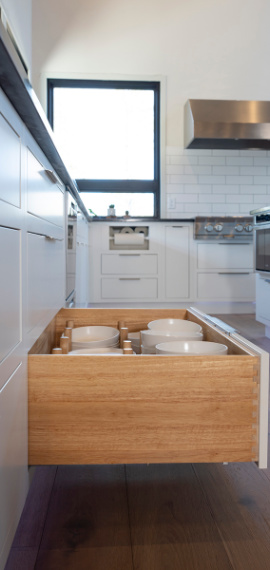
Larger cabinets with more shelves can hold more items. Shelf thickness and spacing matter too. Cabinets with adjustable shelves offer flexibility but may hold less weight per shelf. Open designs may support less weight than closed ones. Design impacts overall stability.
Credit: showplacecabinetry.com
Weight Limits For Common Cabinet Materials
Kitchen cabinets come in many materials. Each material holds weight differently. Knowing these limits helps avoid damage. It also ensures safety in your kitchen.
Weight capacity depends on the cabinet’s build and materials. Here are common materials and their weight limits.
Plywood Cabinets
Plywood is strong and durable. It can hold around 40 to 50 pounds per shelf. The layers of wood make it sturdy. It resists bending and warping over time. Plywood cabinets work well for heavy dishes or appliances.
Particleboard Cabinets
Particleboard is made from wood chips and glue. It is cheaper but weaker than plywood. Shelves usually hold 20 to 30 pounds. Overloading can cause sagging or breaking. Particleboard suits light kitchen items like glasses or spices.
Solid Wood Cabinets
Solid wood is very strong and lasts long. It can hold 50 to 60 pounds per shelf. The exact capacity depends on the type of wood. Hardwoods like oak carry more weight than softwoods. Solid wood cabinets are good for heavy cookware and pantry goods.
Metal Cabinets
Metal cabinets have high weight limits. They often hold 70 pounds or more per shelf. Metal resists bending and damage well. These cabinets are great for heavy tools or bulk storage. They also last longer in humid kitchens.
Standard Load Capacities For Kitchen Cabinets
Kitchen cabinets hold many items daily. Knowing their weight limits helps in organizing safely. Each type of cabinet—wall, base, or tall—has a typical weight capacity. This section explains standard load capacities for kitchen cabinets.
Wall Cabinets
Wall cabinets attach to the wall above counters. They usually hold lighter items like dishes and glassware. The average weight capacity is about 30 to 50 pounds per linear foot. Proper installation and strong wall studs increase their strength. Overloading wall cabinets can cause damage or accidents.
Base Cabinets
Base cabinets stand on the floor under counters. They support heavy kitchen tools and appliances. Typical weight capacity ranges from 100 to 150 pounds per linear foot. Strong shelves and solid construction help support this load. Use base cabinets for storing pots, pans, and small machines safely.
Tall Cabinets
Tall cabinets are tall storage units, sometimes called pantry cabinets. They hold food, supplies, and larger kitchen items. Their weight capacity varies but often supports 150 to 200 pounds in total. Shelves inside tall cabinets can hold about 40 to 60 pounds each. Proper shelf spacing and support matter for safety.
Impact Of Shelving And Hardware
The weight capacity of kitchen cabinets depends heavily on the shelving and hardware used. Shelves must hold items like plates, pots, and food containers safely. Hardware parts like hinges and drawer slides also affect how much weight cabinets can bear. Choosing the right shelves and hardware improves durability and function.
Types Of Shelves
Shelves come in many materials. Wood shelves are common and can hold moderate weight. Metal shelves offer stronger support and resist bending. Glass shelves look nice but hold less weight. The thickness of the shelf matters. Thicker shelves hold more weight without sagging. Adjustable shelves provide flexibility but need strong supports.
Shelf Supports
Shelf supports keep shelves stable and secure. Metal brackets are strong and reliable. Plastic supports are less durable and hold less weight. Pegs fit into holes on the cabinet sides and allow shelf height changes. Heavy-duty supports attach to the cabinet frame and hold more weight. Good support prevents shelves from bending or breaking.
Hinges And Drawer Slides
Hinges connect cabinet doors to the frame. Strong hinges handle heavier doors and frequent use. Soft-close hinges prevent slamming and reduce stress on cabinets. Drawer slides guide drawers smoothly. Ball-bearing slides carry more weight and last longer. Proper hardware keeps doors and drawers working well under load.
Safe Loading Tips
Safe loading of kitchen cabinets helps keep them strong and lasts longer. Knowing how to store items properly prevents damage and accidents. Follow simple tips to protect your cabinets and the things inside.
Weight Distribution
Spread heavy items evenly across shelves. Do not put all weight in one spot. Place heavier objects on lower shelves to reduce pressure. This balance helps cabinets hold more without bending or breaking.
Avoiding Overloading
Check the weight limit for each cabinet. Avoid pushing the limit to keep shelves safe. Store lighter items on upper shelves. Overloading can cause shelves to sag or fall. Use bins or organizers to keep things tidy and stable.
Regular Inspections
Look inside cabinets often for signs of damage. Check for cracks, loose screws, or sagging shelves. Fix small problems quickly to avoid bigger issues. Tighten hardware and reinforce shelves if needed. Regular checks keep cabinets safe and strong.
Upgrading Cabinets For Higher Loads
Upgrading kitchen cabinets to hold more weight can improve storage and organization. Stronger cabinets support heavier items like pots, pans, and appliances. Simple upgrades can increase load capacity without replacing the whole cabinet. Focus on reinforcing shelves, adding support brackets, and choosing heavy-duty hardware for better strength.
Reinforcing Shelves
Shelves often limit cabinet weight capacity. Reinforcing them helps carry heavier loads safely. Add plywood or metal strips under shelves for extra support. Use thicker shelf boards to prevent bending or sagging. Proper reinforcement stops shelves from breaking under pressure.
Adding Support Brackets
Support brackets add strength to cabinet shelves and walls. Install L-shaped or corner brackets beneath shelves for more stability. Brackets distribute weight evenly across the cabinet frame. This reduces stress on shelves and prevents damage. Place brackets near shelf edges and center for best support.
Choosing Heavy-duty Hardware
Hardware like hinges and screws affect cabinet durability. Use heavy-duty hinges to hold cabinet doors firmly. Replace standard screws with longer, thicker ones for better grip. Strong hardware keeps cabinets stable under heavy loads. This upgrade ensures cabinets last longer and work better.
Common Mistakes That Reduce Load Capacity
Kitchen cabinets hold many items daily. Their weight capacity depends on several factors. Some common mistakes reduce how much weight cabinets can safely hold. Knowing these mistakes helps keep cabinets strong and lasting longer.
Improper Installation
Poor installation weakens cabinet strength. Missing or loose screws cause cabinets to sag. Incorrect wall anchors cannot support heavy loads. Uneven mounting makes weight spread unevenly. Proper installation ensures cabinets hold more weight safely.
Using Low-quality Materials
Cheap wood or particleboard breaks easily. Thin shelves bend under heavy items. Low-quality hinges and screws fail faster. Strong, durable materials improve cabinet load capacity. Investing in good materials means safer storage.
Ignoring Manufacturer Guidelines
Each cabinet has a weight limit from the maker. Ignoring these limits causes damage and accidents. Manufacturer guidelines include shelf spacing and support rules. Following instructions keeps cabinets stable and reliable.

Credit: www.youtube.com
Frequently Asked Questions
How Much Weight Can Standard Kitchen Cabinets Hold?
Standard kitchen cabinets typically hold 50 to 100 pounds per shelf. Weight capacity depends on materials, construction, and mounting methods. Proper installation and quality hardware improve durability. Avoid overloading to prevent damage and maintain cabinet lifespan.
What Factors Affect Kitchen Cabinet Weight Capacity?
Weight capacity depends on cabinet material, shelf thickness, mounting hardware, and wall studs. Solid wood or plywood cabinets hold more weight than particleboard. Strong brackets and secure wall attachment increase support. Regular inspection helps ensure cabinets stay safe under load.
Can Kitchen Cabinets Support Heavy Appliances?
Kitchen cabinets can support small appliances like microwaves or mixers. Heavier appliances need reinforced shelves or dedicated countertops. Always check manufacturer weight limits. Installing extra supports or brackets enhances safety for heavy appliance storage.
How To Increase Kitchen Cabinet Weight Capacity?
To increase capacity, add shelf supports or thicker shelves. Use metal brackets for extra reinforcement. Secure cabinets firmly to wall studs. Avoid particleboard shelves for heavy items. Reinforcement improves safety and extends cabinet life.
Conclusion
Kitchen cabinets can hold a lot more weight than many expect. Weight limits depend on materials and installation. Solid wood cabinets generally support heavier items than particleboard ones. Wall-mounted cabinets need strong anchors to hold weight safely. Distributing weight evenly helps keep cabinets stable.
Always check manufacturer guidelines before storing heavy objects. Proper care and installation ensure cabinets last longer. Knowing weight limits protects your kitchen and valuables. Simple steps make your kitchen safer and more functional. Keep these tips in mind for a strong, reliable kitchen.

As the chief content writer, Hassan Al Sarker works as a professional kitchen-based content creator at Kitchen Liker.
In addition to reviewing the content published on Kitchen Liker, he ensures that it is accurate, relevant, and helpful. As a result, all the reviews and information published at Kitchen Liker are neutral and userfriendly.
Hassan Al Sarker has a bachelor’s degree in Hotel and Tourism Management From the Newyork University. Before joining Kitchen Liker, he was a contributor at Kitchen Club, United States.