

Thinking about installing kitchen cabinets yourself? You might be wondering, how hard could it really be?
It’s a question many people ask before deciding to take on this project. The truth is, installing kitchen cabinets can be straightforward—but only if you know what to expect. You’ll discover the key challenges and simple steps that can make the process easier for you.
By the end, you’ll feel more confident about whether this is a job you want to tackle or leave to the pros. Keep reading to find out how hard it really is to install kitchen cabinets—and how you can make it work for your kitchen and your skill level.
Credit: www.youtube.com
Tools And Materials Needed
Installing kitchen cabinets requires the right tools and materials. These help make the job easier and ensure a good fit. Without proper tools, the process can become frustrating and time-consuming. Preparing everything before starting saves effort and avoids mistakes.
Essential Tools
A few basic tools make cabinet installation possible. A drill is needed to secure screws firmly. A level ensures cabinets hang straight and even. Measuring tape helps get exact dimensions for fitting. A stud finder locates wall supports to anchor cabinets safely. A screwdriver, hammer, and clamps also come in handy during the work.
Choosing Quality Cabinets
Select cabinets built with strong materials. Solid wood or plywood cabinets last longer and resist damage. Avoid particleboard as it can swell from moisture. Check cabinet doors and drawers for smooth operation. Quality cabinets fit better and reduce installation problems. Investing in good cabinets saves time and money later.
Safety Equipment
Protect yourself during installation. Wear safety glasses to shield your eyes from dust and debris. Use work gloves to prevent splinters and cuts. Ear protection helps if you use loud power tools. Proper footwear avoids slips and injuries. Safety gear keeps the job safe and comfortable.
Preparing Your Kitchen Space
Preparing your kitchen space is the first step to installing new cabinets. It helps make the installation smooth and safe. Taking time to prepare can save effort later. Clear tasks and checks set a good base for the work. Let’s explore the key parts of preparation.
Measuring And Marking
Start by measuring the kitchen walls carefully. Measure height, width, and depth. Mark where cabinets will go using a pencil. Use a level to draw straight lines. Accurate marks prevent mistakes during installation. Double-check all measurements before starting work.
Clearing The Area
Remove all items from counters and shelves. Clear the floor space around the cabinets. Move appliances and furniture to another room. This gives you room to work and avoids damage. A clean space helps keep tools and parts organized.
Checking Wall And Floor Conditions
Look closely at walls for damage or moisture. Repair cracks, holes, or damp spots before installing. Check if walls are straight and even. Floors should be level to support the cabinets well. Fix any uneven areas to keep cabinets stable and secure.
Step-by-step Installation Process
Installing kitchen cabinets involves clear steps to follow. This process makes the task easier and more organized. Each step builds on the last to ensure cabinets fit perfectly.
Careful work saves time and prevents errors. Safety and accuracy matter most. Let’s break down the step-by-step installation process for better understanding.
Installing Upper Cabinets
Start by finding the wall studs with a stud finder. Mark the stud locations clearly. Use a level to draw a guideline where the cabinets will hang.
Lift the upper cabinet and hold it against the wall. Drill pilot holes through the cabinet frame into the studs. Secure the cabinet with screws but do not tighten fully yet.
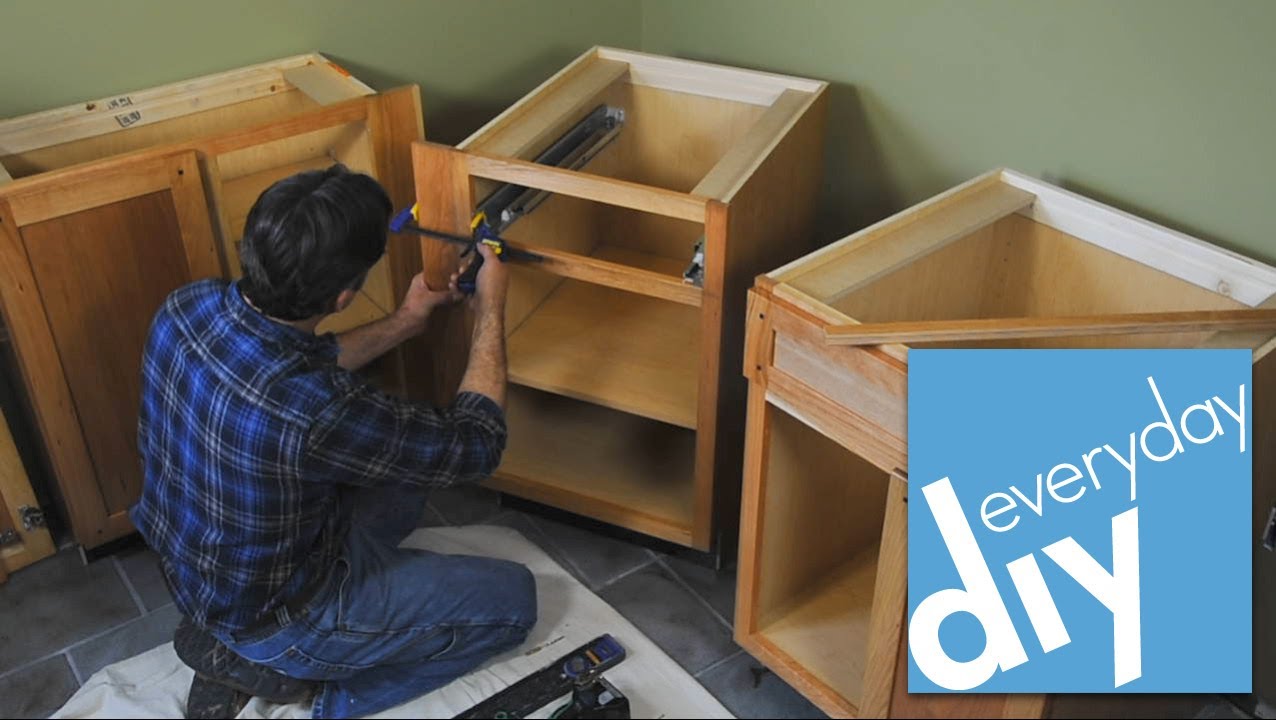
Check the cabinet’s level and adjust if needed. Repeat for all upper cabinets. Connect the cabinets together using clamps and screws.
Mounting Base Cabinets
Begin by marking the floor layout for the base cabinets. Place the first cabinet at the corner or end. Use shims to level the cabinet on uneven floors.
Attach the cabinet to the wall studs with screws. Connect base cabinets by drilling through the sides and screwing them together. Keep checking alignment and spacing.
Install the rest of the base cabinets following the same steps. Leave space for appliances or plumbing if needed.
Aligning And Leveling Cabinets
Use a long level to check both upper and base cabinets. Adjust shims under base cabinets for a flat surface. Tighten all screws only after perfect leveling.
Check gaps between cabinets and walls. Fill gaps or adjust cabinet positions to avoid uneven spaces. Proper alignment improves cabinet function and looks.
Double-check all doors and drawers open smoothly. Make small adjustments to hinges if needed. Proper alignment ensures a neat kitchen finish.
Common Challenges And Solutions
Installing kitchen cabinets can be tricky. Many face common challenges that slow the work down or cause mistakes. Knowing these problems and how to fix them makes the job easier and faster.
Here are some frequent issues and simple solutions for a smooth installation.
Dealing With Uneven Walls
Walls are rarely perfectly straight or flat. Uneven walls cause gaps or crooked cabinets. Use shims to fill gaps between the cabinet and wall. Shims are thin pieces of wood or plastic. Place them behind the cabinet edges to level it.
Check with a level tool often. Adjust shims as needed. This keeps cabinets aligned and stable.
Handling Heavy Cabinets
Kitchen cabinets can be very heavy. Lifting and holding them in place is tough alone. Ask for help or use a cabinet jack to support the weight. This tool holds cabinets steady while you screw them in.
Lift carefully to avoid injury. Take breaks if needed. Secure cabinets firmly to wall studs for safety.
Fixing Misaligned Doors
Doors may not line up correctly after installation. This happens due to uneven hinges or cabinet frames. Adjust hinges using the screws that control door height and depth.
Small movements can fix gaps or overlaps. Test doors by opening and closing several times. Repeat adjustments until doors sit evenly.
Expert Tips For A Smooth Installation
Installing kitchen cabinets can feel challenging. Expert tips can make the process easier. These tips help avoid mistakes and save time. Follow simple steps for a smooth installation.
Planning And Layout Advice
Start by measuring your kitchen space carefully. Mark where each cabinet will go on the wall. Check for plumbing and electrical outlets. Make sure cabinets fit around these obstacles. Plan the layout to allow easy movement and access. A clear plan reduces errors during installation.
Using Jigs And Supports
Use jigs to keep cabinets level and steady. They hold cabinets in place while you attach them. Supports help manage heavy cabinets safely. These tools make installation faster and safer. They keep cabinets aligned and prevent damage.
Working With A Partner
Having a helper makes a big difference. One person holds cabinets while the other screws them in. Two people can lift heavy cabinets more easily. Communication helps avoid mistakes and speeds up work. Teamwork leads to better results and less stress.

Credit: www.familyhandyman.com
When To Call A Professional
Installing kitchen cabinets is a big task. Some jobs are simple, but others need a pro. Knowing when to call an expert can save time and money. It also helps avoid mistakes that are hard to fix. Here are key signs that show it’s best to hire a professional.
Complex Layouts
Kitchen shapes can be tricky. Angles, corners, and uneven walls make cabinet fitting hard. A professional knows how to handle these issues. They measure and cut cabinets to fit perfectly. This skill keeps your kitchen looking neat and balanced.
Electrical And Plumbing Considerations
Cabinets often go near pipes and wires. Moving or working around these needs care. Professionals understand safety rules and building codes. They protect your home from damage and hazards. This is crucial for a safe kitchen setup.
Time And Skill Constraints
Installing cabinets needs skill and time. Without experience, the job may take much longer. Mistakes can cause delays and extra costs. A pro works faster and with precision. This ensures your kitchen is ready sooner and looks great.
Credit: www.cabinetcorp.com
Frequently Asked Questions
How Difficult Is It To Install Kitchen Cabinets Yourself?
Installing kitchen cabinets yourself can be moderately challenging. It requires measuring, leveling, and securing cabinets properly. Basic carpentry skills and tools are essential. Mistakes can lead to misalignment or damage. With careful planning and patience, DIY installation is achievable for many homeowners.
What Tools Are Needed For Kitchen Cabinet Installation?
Essential tools include a drill, level, stud finder, tape measure, and screwdriver. A saw may be needed for custom fitting. Clamps and shims help ensure cabinets are level and secure. Having the right tools simplifies the installation process significantly.
How Long Does It Take To Install Kitchen Cabinets?
Installation time depends on cabinet quantity and complexity. Typically, it takes one to three days for an average kitchen. Preparation and measurements add to the timeline. Experience level also affects speed, with professionals working faster than beginners.
Can I Install Kitchen Cabinets Without Professional Help?
Yes, you can install cabinets without professionals if you have basic skills. Careful measuring, leveling, and securing are crucial. Watching tutorials and following instructions helps avoid mistakes. However, complex layouts or custom cabinets might require expert assistance.
Conclusion
Installing kitchen cabinets takes effort and some basic skills. Planning and measuring carefully can make the process smoother. You may face challenges, but patience helps a lot. Using the right tools makes a big difference. Many people complete the job themselves and feel proud.
Remember, take your time and check each step. With practice, the task becomes easier and more fun. Kitchen cabinets can change your space, so the effort is worth it.

As the chief content writer, Hassan Al Sarker works as a professional kitchen-based content creator at Kitchen Liker.
In addition to reviewing the content published on Kitchen Liker, he ensures that it is accurate, relevant, and helpful. As a result, all the reviews and information published at Kitchen Liker are neutral and userfriendly.
Hassan Al Sarker has a bachelor’s degree in Hotel and Tourism Management From the Newyork University. Before joining Kitchen Liker, he was a contributor at Kitchen Club, United States.