
When you’re planning your kitchen, one question often comes up: how tall should your upper kitchen cabinets be? The right height can make a huge difference in how your kitchen looks and feels.
Too tall, and they might be hard to reach; too short, and you lose valuable storage space. You want cabinets that fit perfectly with your style and your needs. You’ll discover the ideal heights for upper kitchen cabinets, practical tips to choose what works best for you, and how to make your kitchen both beautiful and functional.
Keep reading to find out how to get your kitchen just right.
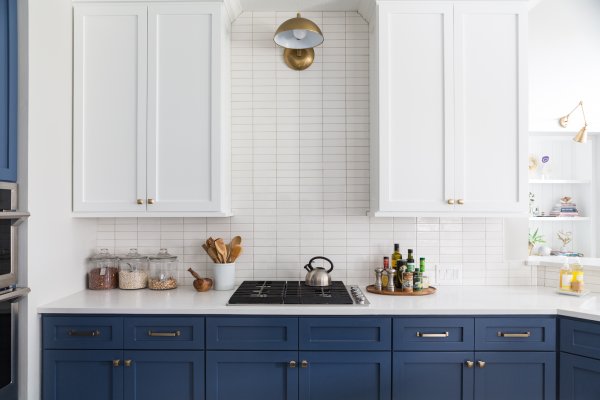
Credit: carlaaston.com
Standard Upper Cabinet Heights
Standard upper cabinet heights help create balance and function in kitchens. These heights fit most kitchen layouts and user needs. Choosing the right height ensures easy reach and good storage space. Understanding these standards helps when planning or updating cabinets.
Common Height Measurements
Most upper kitchen cabinets come in heights of 30, 36, or 42 inches. Thirty inches is the most common and fits well in many kitchens. Thirty-six-inch cabinets offer extra storage without crowding the space. Forty-two-inch cabinets usually go up to the ceiling, maximizing storage.
The cabinet height affects how much wall space is covered. It also changes the distance between the countertop and the cabinet bottom. This distance is important for appliance clearance and workspace comfort.
Variations By Cabinet Style
Cabinet style can change the height options available. Traditional cabinets often use the standard 30 or 36 inches. Modern or custom styles may offer taller or shorter cabinets. Some styles add decorative elements that affect the overall height.
For example, glass-front or open shelving cabinets might be shorter. Tall pantry cabinets have different height needs altogether. Knowing the style helps pick the right cabinet height for your kitchen design.
Factors Influencing Cabinet Height
Upper kitchen cabinets do not have a fixed height. Several factors shape their size. These factors ensure the cabinets fit well and work efficiently in your kitchen. Understanding them helps you choose the right cabinet height for your space.
Ceiling Height Considerations
The height of your kitchen ceiling plays a big role. Taller ceilings allow for taller cabinets. Short ceilings may need shorter cabinets to keep the space balanced. Cabinets that reach the ceiling can offer extra storage. Sometimes, a small gap is left for design or ventilation.
Countertop And Backsplash Impact
The space between the countertop and upper cabinets matters. This gap usually ranges from 15 to 18 inches. It must allow enough room for working and placing appliances. The backsplash height also affects cabinet placement. A taller backsplash may reduce the space below the cabinets.
Appliance And Fixture Clearance
Certain appliances and fixtures need clearance space. For example, microwaves or range hoods require enough room below cabinets. Lighting fixtures under cabinets need space too. Proper clearance prevents damage and keeps the kitchen safe. It also makes daily tasks easier and more comfortable.
Adjusting Heights For Different Kitchen Types
Adjusting the height of upper kitchen cabinets depends on the kitchen type. Different kitchens need different cabinet heights for better use and style. Choosing the right height makes kitchens look balanced and feel comfortable. It helps save space and improves how easy it is to reach things.
Small And Compact Kitchens
Small kitchens need upper cabinets placed lower. This makes the space feel bigger and more open. Cabinets around 12 to 15 inches above the countertop work well. It keeps everything within easy reach. Using shorter cabinets or open shelves can help avoid a crowded look.
Large And Open Kitchens
In large kitchens, upper cabinets can be taller and placed higher. This fits the big wall space and balances the room. Cabinets from 18 to 24 inches above the countertop look good here. Taller cabinets add more storage without feeling cramped. It also creates a strong visual impact.
Custom And Luxury Kitchens
Custom kitchens allow exact cabinet height to fit needs and style. Cabinet height can range from 15 to 24 inches or more. Luxury kitchens often use taller cabinets to show elegance. Some designs include glass doors or special lighting. This adds beauty and makes the kitchen unique.
Ergonomics And Accessibility
Ergonomics and accessibility play a big role in deciding the height of upper kitchen cabinets. They help make kitchens safer and easier to use. Proper cabinet height reduces strain on the body. It also makes items reachable for everyone in the home.
Choosing the right height helps avoid stretching or bending too much. This saves energy and prevents injuries. Cabinets set at the right level improve the kitchen’s flow. They make cooking and cleaning tasks faster and more comfortable.
Optimal Reach Zones
Optimal reach zones are the areas where people can easily grab items. For most adults, this zone is between 48 and 60 inches from the floor. Cabinets placed in this range reduce stretching and bending. Items used daily should be stored here for quick access.
Less-used items can go higher. This keeps the most needed items within easy reach. Proper layout helps keep the kitchen safe and efficient.
Height Recommendations For Seniors
Seniors often have limited flexibility and strength. Cabinets should be lower to avoid reaching above shoulder height. A height between 42 and 54 inches works best for many seniors.
Lower cabinets reduce the risk of falls and strain. This height makes it easier to open doors and reach inside. Designing for seniors means making the kitchen more comfortable and safer.
Accessibility For Children
Children need cabinets at a lower height to reach safely. Cabinets set around 30 to 48 inches from the floor work well for kids. This encourages independence and helps them learn kitchen skills.
Accessible cabinets teach children to use the kitchen safely. It also keeps dangerous items out of their reach. Thoughtful cabinet height supports family-friendly kitchen design.
Design Tips For Upper Cabinet Heights
Choosing the right height for upper kitchen cabinets affects both the look and use of your kitchen. Design tips help balance style with practical needs. Consider how cabinets fit with your kitchen’s size and your daily activities.
Good cabinet height makes your kitchen look neat and keeps things easy to reach. Think about lighting and storage to make the space work better for you.
Balancing Aesthetics And Functionality
Upper cabinets should match the kitchen’s overall design. Too high, and they look awkward. Too low, and they block the countertop space.
Keep a consistent line with other kitchen elements like windows and appliances. This creates a clean, balanced look. Make sure the height suits your reach to avoid strain.
Incorporating Lighting
Lighting under upper cabinets brightens work areas. It makes cooking safer and easier. Choose LED strips or puck lights for even light.
Consider cabinet height when installing lights. Too high or low can cause shadows. Place lights where you need the most visibility.
Storage Optimization
Upper cabinet height affects storage space. Taller cabinets hold more but may be harder to reach. Shorter cabinets are easier but hold less.
Use adjustable shelves to fit different items. Store everyday items at easy heights. Reserve higher shelves for less-used things.
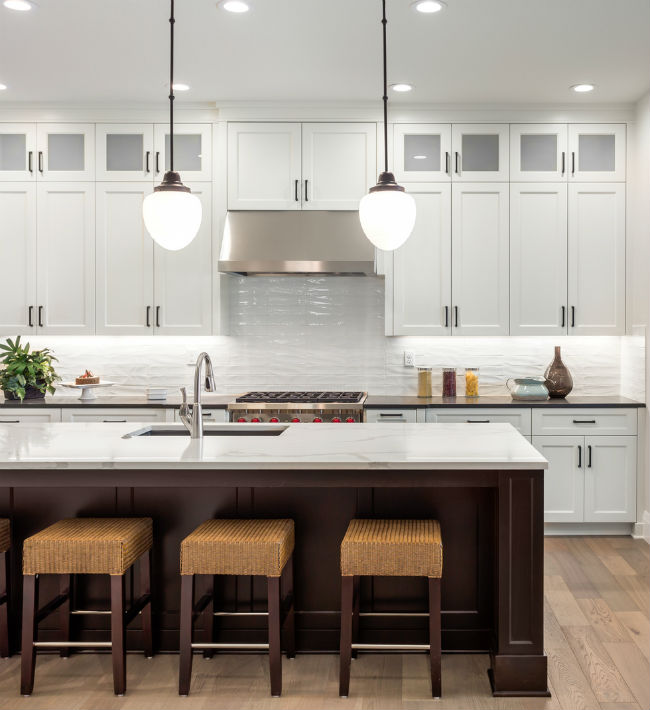
Credit: www.bobvila.com
Installation Best Practices
Installing upper kitchen cabinets requires care and precision. Proper installation ensures cabinets are secure and look good. Following best practices saves time and prevents future problems.
Measuring And Marking
Start by measuring the wall height and width accurately. Mark the desired cabinet height on the wall. Use a pencil to draw a straight guideline for cabinet placement. Double-check measurements before drilling holes. Precise marking helps avoid mistakes during installation.
Leveling And Securing Cabinets
Use a level to keep cabinets straight. Place a temporary support under the cabinet for stability. Secure cabinets to wall studs for strong support. Tighten screws evenly to prevent gaps or tilting. Check the level again after securing each cabinet.
Common Installation Mistakes
Skipping measurement checks leads to uneven cabinets. Failing to find wall studs weakens cabinet support. Over-tightening screws can damage the cabinet frame. Ignoring level checks results in slanted cabinets. Avoid these mistakes to ensure a sturdy, neat installation.
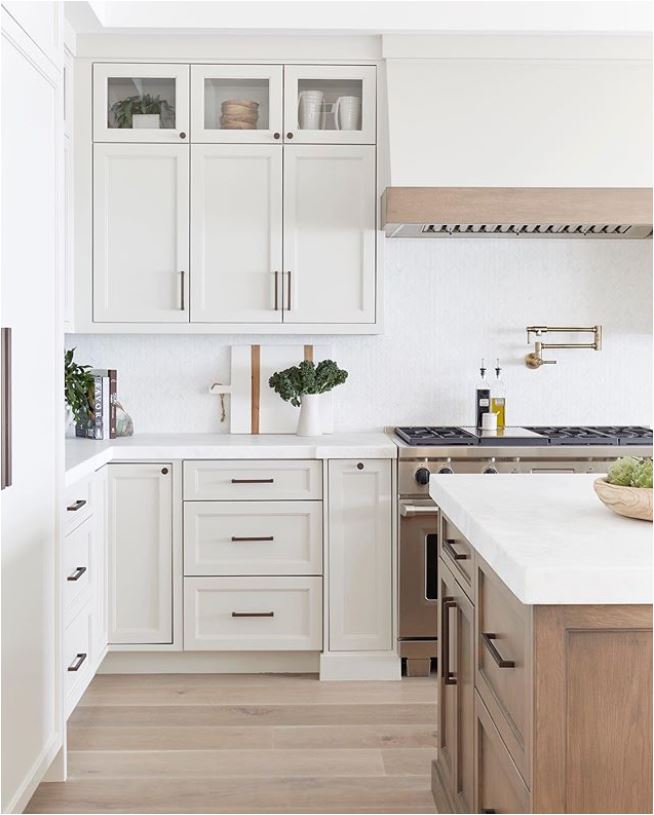
Credit: centsationalstyle.com
Frequently Asked Questions
What Is The Standard Height For Upper Kitchen Cabinets?
The standard height for upper kitchen cabinets is typically 30 to 42 inches. This range suits most kitchens and provides ample storage space while maintaining ergonomic access.
How Far Should Upper Cabinets Be From The Countertop?
Upper kitchen cabinets are usually installed 18 inches above the countertop. This distance allows enough workspace and keeps cabinets within easy reach for everyday use.
Can Upper Cabinet Height Be Customized?
Yes, upper cabinet height can be customized to fit your kitchen design and needs. Custom heights help maximize storage and improve kitchen functionality.
What Factors Influence Upper Cabinet Height?
Upper cabinet height depends on ceiling height, countertop height, and user comfort. These factors ensure cabinets are both practical and visually balanced in the kitchen.
Conclusion
Upper kitchen cabinets usually range from 30 to 42 inches tall. Choosing the right height depends on your kitchen size and needs. Taller cabinets offer more storage but might be harder to reach. Shorter ones fit better in small kitchens and keep things accessible.
Measure your space carefully before deciding. The right cabinet height makes your kitchen look balanced and work better. Remember, comfort and style both matter in your kitchen design. Keep these points in mind for a practical and nice kitchen setup.

As the chief content writer, Hassan Al Sarker works as a professional kitchen-based content creator at Kitchen Liker.
In addition to reviewing the content published on Kitchen Liker, he ensures that it is accurate, relevant, and helpful. As a result, all the reviews and information published at Kitchen Liker are neutral and userfriendly.
Hassan Al Sarker has a bachelor’s degree in Hotel and Tourism Management From the Newyork University. Before joining Kitchen Liker, he was a contributor at Kitchen Club, United States.