
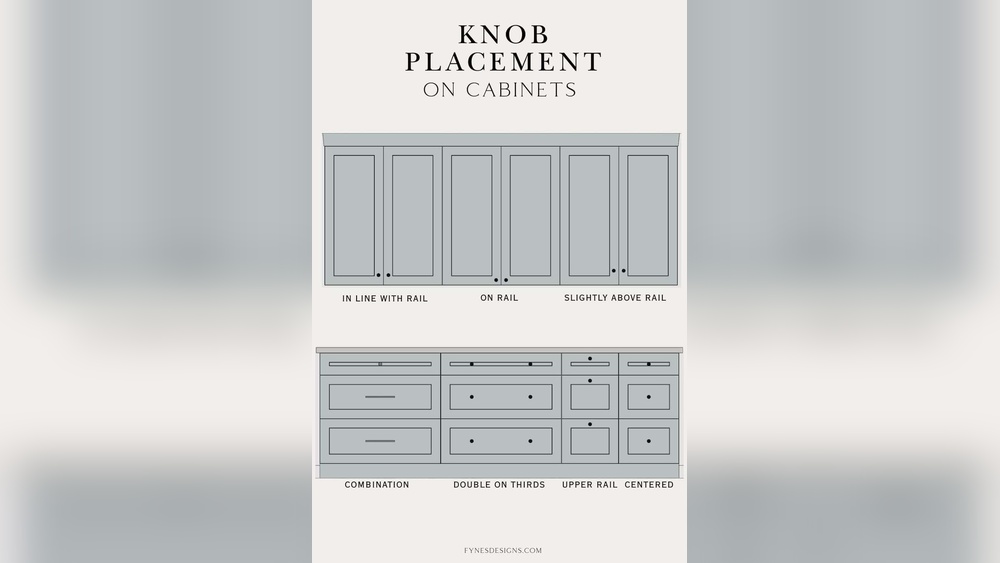
Are you wondering where to place knobs on your kitchen cabinets to make your space look both stylish and functional? The right placement can change the way your kitchen feels and works every day.
Whether you’re updating old cabinets or installing new ones, knowing exactly where to put those knobs can save you time and frustration. You’ll discover simple tips and expert advice that will help you get the perfect knob placement—making your kitchen easier to use and more beautiful at the same time.
Keep reading to transform your kitchen with just a small change!

Credit: stylebyemilyhenderson.com
Ideal Height For Cabinet Knobs
Choosing the right height for cabinet knobs is key to both style and function. The ideal height makes cabinets easy to open and adds balance to your kitchen’s look. Too high or too low can feel awkward and disrupt the kitchen flow. This section explains standard measurements and how to adjust knob height for comfort.
Standard Measurements
Most cabinet knobs go about 2 to 3 inches from the edge of the door. For upper cabinets, place knobs about 2.5 inches down from the top corner. On lower cabinets, position knobs 2.5 inches up from the bottom corner. These measurements work well for most kitchens and look balanced.
Standard heights keep knobs within easy reach for most people. They also create a clean, uniform look across all cabinets. This spacing fits many cabinet styles and sizes.
Adjusting For User Comfort
Consider who uses your kitchen most. For children or shorter adults, knobs might need to be lower. Taller people might prefer knobs slightly higher for easier access. Think about how often you open certain cabinets too.
Try placing knobs where your hand naturally rests. Test different heights before fixing knobs. Comfort improves kitchen tasks and prevents strain. Small changes in height can make a big difference in daily use.
Positioning On Cabinet Doors
Choosing the right spot for knobs on cabinet doors affects both style and ease of use. Proper placement helps doors open smoothly and looks balanced. This section explains common knob positions on cabinet doors.
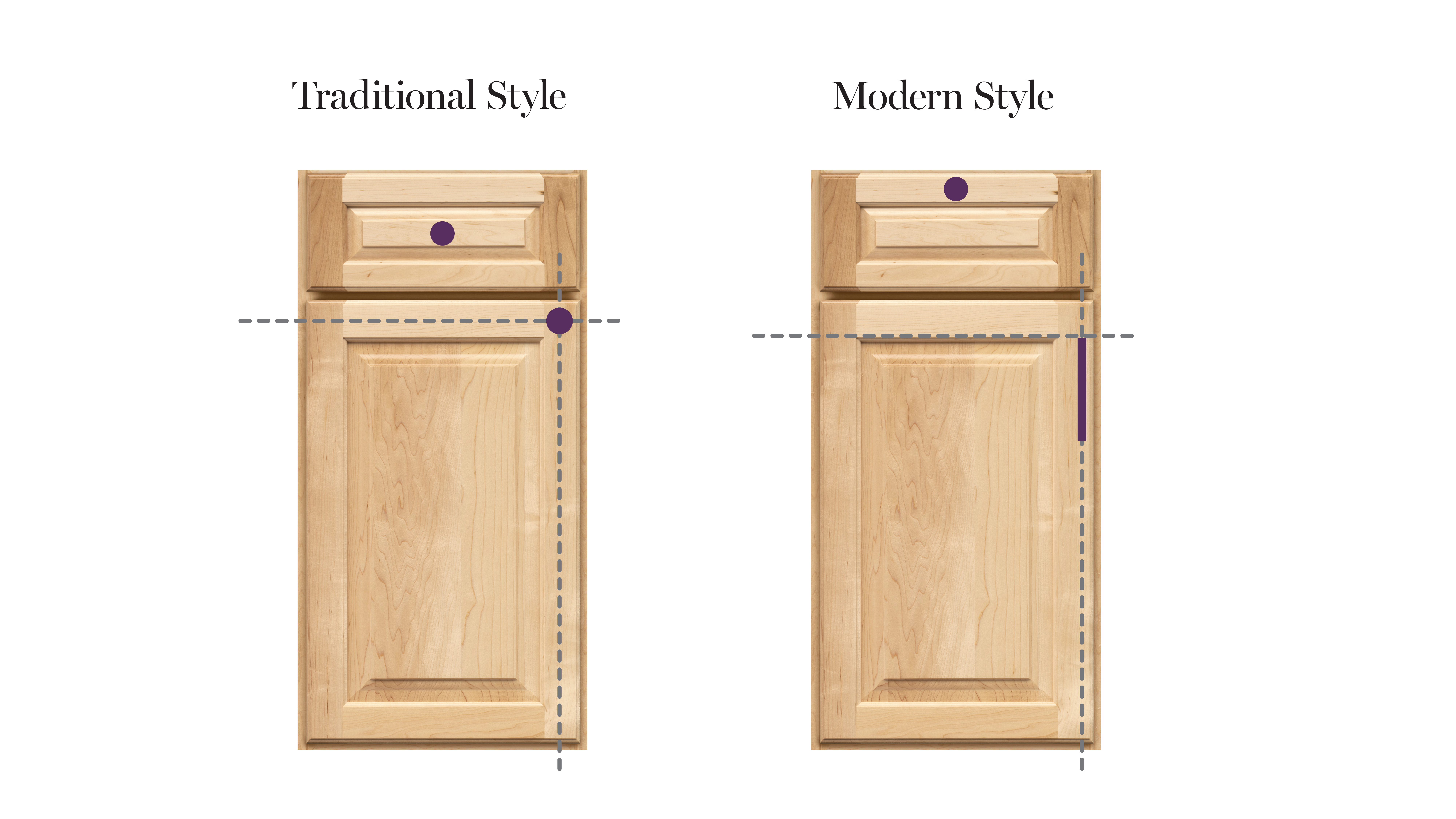
Top Corner Placement
Placing knobs in the top corner is classic and practical. It works well for tall cabinets and doors that swing out. This spot makes it easy to grab the knob without bending.
Top corner placement fits most kitchen styles. It keeps the knob out of the way but still accessible. This position also highlights the cabinet design.
Center Placement Options
Center placement means putting the knob in the middle of the door edge. This looks neat and symmetrical. It suits smaller cabinet doors or those with a modern style.
Center placement can feel balanced to the eye. It also spreads out wear and tear evenly. This option is good when you want a clean, simple look.
Placement On Drawers
Choosing where to place knobs on kitchen cabinet drawers affects both look and function. Proper placement makes drawers easy to open. It also keeps your kitchen design neat and balanced. This section explores the main options for knob placement on drawers. It guides you to make the best choice for your space.
Center Vs. Offset Placement
Knobs can go in the center or off to one side on drawers. Center placement is simple and symmetrical. It works well with square or small drawers. Offset placement means putting the knob near a corner. This is common for wider drawers. It lets you open the drawer more naturally with one hand.
Consider your drawer size and style when choosing. Offset knobs often look modern and practical. Center knobs offer a classic, balanced look. Both styles work well if placed carefully.
Consistency Across Drawers
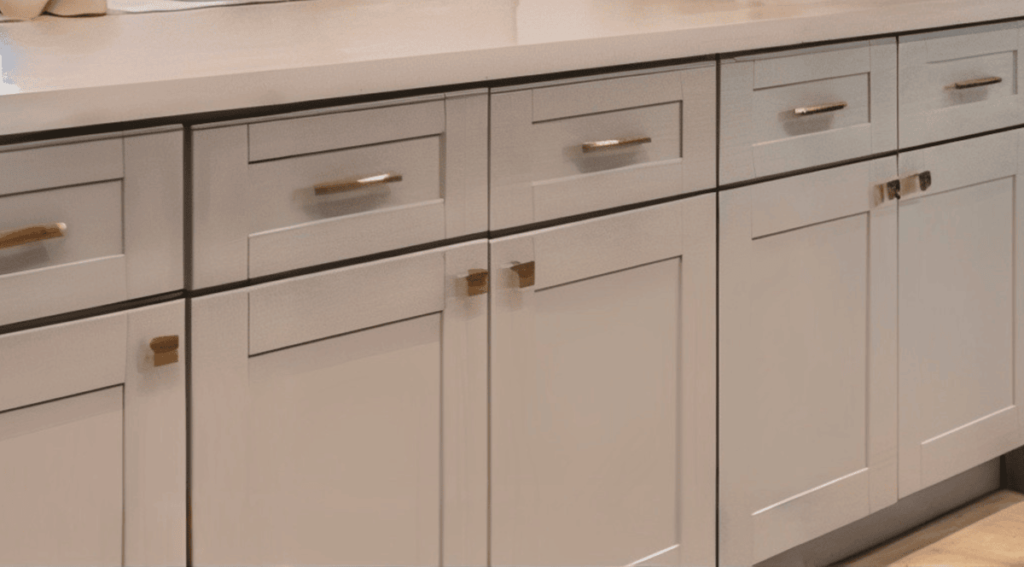
Keep knob placement consistent across all drawers in the kitchen. Consistency creates a clean, unified appearance. It helps the eye flow smoothly across the cabinets. Mixing center and offset knobs can make the space feel messy.
Pick one style and stick to it. Measure carefully before installing knobs. This avoids uneven placement and awkward gaps. Consistent knob placement improves both style and function in your kitchen.
Credit: www.kraftmaid.com
Style Considerations
Choosing where to place knobs on kitchen cabinets depends a lot on style. The style of your kitchen sets the tone for knob placement. Knobs should enhance the kitchen’s look and feel. Different styles need different placements to look balanced and natural.
Modern Vs. Traditional Kitchens
Modern kitchens often have clean lines and simple shapes. Knobs in these kitchens should be sleek and minimal. Place knobs near the edge of cabinet doors for a tidy look. Avoid placing knobs too close to the center. In traditional kitchens, knobs can be larger and more decorative. These kitchens suit knobs placed in classic spots, like the center of the door panel or slightly off-center. Traditional styles allow more freedom with knob design and placement.
Matching Knobs With Cabinet Design
Knobs should match the cabinet design in style and color. Light wood cabinets pair well with soft, neutral knobs. Dark cabinets look great with metal or bold-colored knobs. The shape of the knob should complement the cabinet’s style. Round knobs fit casual or rustic cabinets well. Square or geometric knobs suit modern or sleek cabinet designs. Match the finish of knobs to other kitchen hardware for a unified look.
Tools For Accurate Placement
Placing knobs on kitchen cabinets needs precision. The right tools help ensure knobs sit straight and even. Accurate placement makes your kitchen look neat and professional. It also makes opening cabinets easier and more comfortable.
Measuring Tools
Measuring tools are essential for marking knob positions. A tape measure helps find exact distances from edges. A ruler or a steel square ensures straight lines and right angles. A pencil marks spots clearly without damaging the surface. Use a level to check that knobs align perfectly across cabinets.
Templates And Jigs
Templates and jigs make knob placement faster and more consistent. A template is a flat guide with pre-made holes. It lets you mark multiple knobs quickly and in the same spot. Jigs hold the drill steady at the right angle. This prevents slipping and uneven holes. Both tools reduce mistakes and save time during installation.
Credit: highlandcabinetry.com
Common Placement Mistakes To Avoid
Placing knobs on kitchen cabinets may seem simple. Mistakes in placement can cause problems later. Poorly placed knobs affect both look and function. Avoid common errors to keep your kitchen neat and easy to use.
Incorrect Height Placement
Knobs placed too high or too low can be hard to reach. Keep them at a comfortable height for most users. Around 2.5 to 3 inches from the cabinet edge works well.
Uneven Alignment
Knobs that do not line up create a messy look. Make sure knobs on drawers and doors match in height and position. Use a ruler or tape measure for accuracy.
Placing Knobs Too Close To Edges
Knobs too close to the cabinet edge may catch on clothes. Leave enough space from the edge for safe and easy grip. About 2 inches from the edge is ideal.
Ignoring Door And Drawer Size
Large doors need knobs placed differently than small drawers. Adjust knob position based on cabinet size for better balance. This improves both style and ease of use.
Not Testing Comfort And Function
Placing knobs without testing can lead to discomfort. Open and close cabinets after placing knobs. Adjust placement to ensure a smooth grip and operation.
Customizing Placement For Accessibility
Customizing the placement of knobs on kitchen cabinets helps make your kitchen easier to use for everyone. Thoughtful positioning improves comfort and safety. It also helps people of all ages and abilities reach cabinets without strain.
Small changes in knob placement can make a big difference. You can place knobs to fit your height and daily habits. This makes your kitchen more user-friendly and enjoyable.
Ergonomic Adjustments
Place knobs where your hands naturally rest. This reduces bending or stretching. For upper cabinets, position knobs near the bottom corners. For lower cabinets, use the top corners. This helps open doors without awkward wrist movements.
Make sure knobs are easy to grip. Avoid placing them too close to edges. This prevents finger slips and accidents. Ergonomic placement reduces strain during busy kitchen tasks.
Child-friendly Heights
Lower cabinet knobs should be at child-friendly heights. This encourages kids to help in the kitchen safely. Place knobs about 24 to 30 inches from the floor. This height suits most children and keeps them involved.
Use bright or fun knobs for kids’ cabinets. It makes them easy to spot. Safe and reachable knobs boost children’s independence. It also teaches responsibility with kitchen chores.
Frequently Asked Questions
Where Should Knobs Be Placed On Kitchen Cabinet Doors?
Knobs are usually placed 2-3 inches from the cabinet door’s edge and 2-3 inches down from the top corner. This position provides easy access and maintains a balanced look. Consistency in placement across all doors ensures a cohesive kitchen design.
How High Should Knobs Be On Kitchen Drawers?
Knobs on drawers are best positioned at the center of the drawer front, both vertically and horizontally. This placement allows easy grip and operation. For larger drawers, consider placing knobs slightly off-center for ergonomic convenience.
Can Knobs Be Placed Differently On Upper And Lower Cabinets?
Yes, knobs on upper cabinets are often placed near the bottom corner, while on lower cabinets, they go near the top corner. This positioning matches natural hand movement and improves accessibility, enhancing kitchen functionality.
What Is The Best Distance From Cabinet Edges For Knob Placement?
A common guideline is to place knobs 2 to 3 inches from the cabinet edges. This distance provides a comfortable grip and an aesthetically pleasing appearance. It also keeps the knobs away from the cabinet’s center to avoid awkward hand positioning.
Conclusion
Choosing the right spot for knobs changes how your kitchen feels. Proper placement makes opening cabinets easy and smooth. It also adds style to your space. Think about how you use each cabinet daily. Place knobs where your hand naturally rests.
Keep the look balanced and consistent. Small details like this improve your kitchen’s comfort. Try different spots until it feels just right. Simple changes can make your kitchen more functional and nice to use. Remember, good knob placement helps both work and style.

As the chief content writer, Hassan Al Sarker works as a professional kitchen-based content creator at Kitchen Liker.
In addition to reviewing the content published on Kitchen Liker, he ensures that it is accurate, relevant, and helpful. As a result, all the reviews and information published at Kitchen Liker are neutral and userfriendly.
Hassan Al Sarker has a bachelor’s degree in Hotel and Tourism Management From the Newyork University. Before joining Kitchen Liker, he was a contributor at Kitchen Club, United States.