
Choosing the best finish for your kitchen cabinets can completely change the look and feel of your space. You want something that not only looks great but also lasts through daily use.
With so many options available, it’s easy to feel overwhelmed and unsure about what will work best for your kitchen. You’ll discover the top finishes, their pros and cons, and how to pick the perfect one that matches your style and needs.
Keep reading to find out how to make your kitchen cabinets stand out and stay beautiful for years to come.
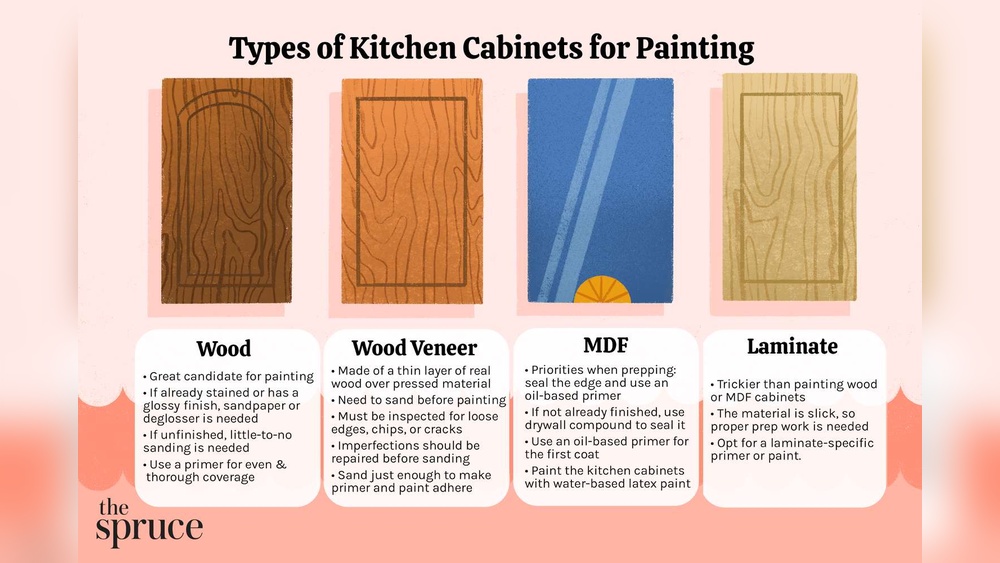
:max_bytes(150000):strip_icc()/Best-paint-for-kitchen-cabinets-4686963-illo2-V2-7934496d2a294c74b9309aea1b01dd18.png)
Credit: www.thespruce.com
Types Of Cabinet Finishes
Choosing the right finish for kitchen cabinets changes the entire look of your kitchen. Cabinet finishes protect the wood and add style. Each type offers unique benefits and fits different kitchen styles. Understanding the types helps pick the best finish for your needs.
Painted Finishes
Painted finishes give a smooth, colorful look to cabinets. They cover wood grain completely. These finishes come in many colors and sheens. Painted cabinets are easy to clean and brighten any kitchen. They work well in modern and traditional kitchens.
Stained Finishes
Stained finishes soak into the wood and show its natural grain. They enhance the wood’s beauty and give a warm look. Stains come in many shades from light to dark. They protect the wood while keeping its natural texture. Ideal for classic and rustic kitchens.
Veneer Finishes
Veneer finishes use thin slices of real wood glued to a base. They look like solid wood but cost less. Veneers provide a smooth, even surface. They allow more design options and wood types. Good for a high-end look on a budget.
Laminate Finishes
Laminate finishes are made from layers of plastic bonded to wood. They are very durable and resistant to scratches and stains. Laminates come in many colors and patterns, including wood looks. Perfect for busy kitchens needing easy maintenance.
Thermofoil Finishes
Thermofoil finishes are vinyl sheets heated and pressed onto cabinet surfaces. They create a smooth, seamless finish. Thermofoil is moisture-resistant and easy to clean. It mimics painted or wood finishes well. A practical choice for kitchens with high humidity.
Durability Factors
Durability plays a key role in choosing the best finish for kitchen cabinets. The kitchen is a busy area with lots of moisture, heat, and daily wear. A strong finish protects the cabinets and keeps them looking good for years. Understanding durability factors helps pick the right finish that lasts long and stays beautiful.
Resistance To Moisture
Kitchen cabinets face steam, spills, and humidity. A finish that resists moisture stops water from soaking into the wood. This prevents warping, swelling, and mold growth. Finishes like polyurethane and lacquer provide a strong moisture barrier. Cabinets with good moisture resistance need fewer repairs and last longer.
Scratch And Chip Resistance
Daily use can cause scratches and chips on cabinet surfaces. A tough finish protects against dents and scrapes. Hard finishes like acrylic and epoxy create a durable shield. Scratch-resistant finishes keep cabinets looking new despite heavy use. This lowers the need for frequent touch-ups or refinishing.
Uv Protection
Sunlight can fade cabinet colors over time. A finish with UV protection blocks harmful rays from damaging wood and paint. UV resistant finishes preserve the cabinet’s original color and shine. This is important for kitchens with windows or strong natural light. It helps maintain a fresh look for many years.
Maintenance Requirements
Some finishes need more care than others. Easy-to-clean finishes save time and effort. Finishes that resist stains and dirt require simple wiping. Avoid finishes that need special cleaners or frequent polishing. Choosing a low-maintenance finish keeps cabinets looking great with less work.
Aesthetic Considerations
The finish of your kitchen cabinets plays a big role in the room’s look. It sets the tone and adds style. Choosing the right finish means thinking about color, texture, and how it fits with your kitchen’s design. These details create a space that feels fresh and inviting.
Color And Texture Options
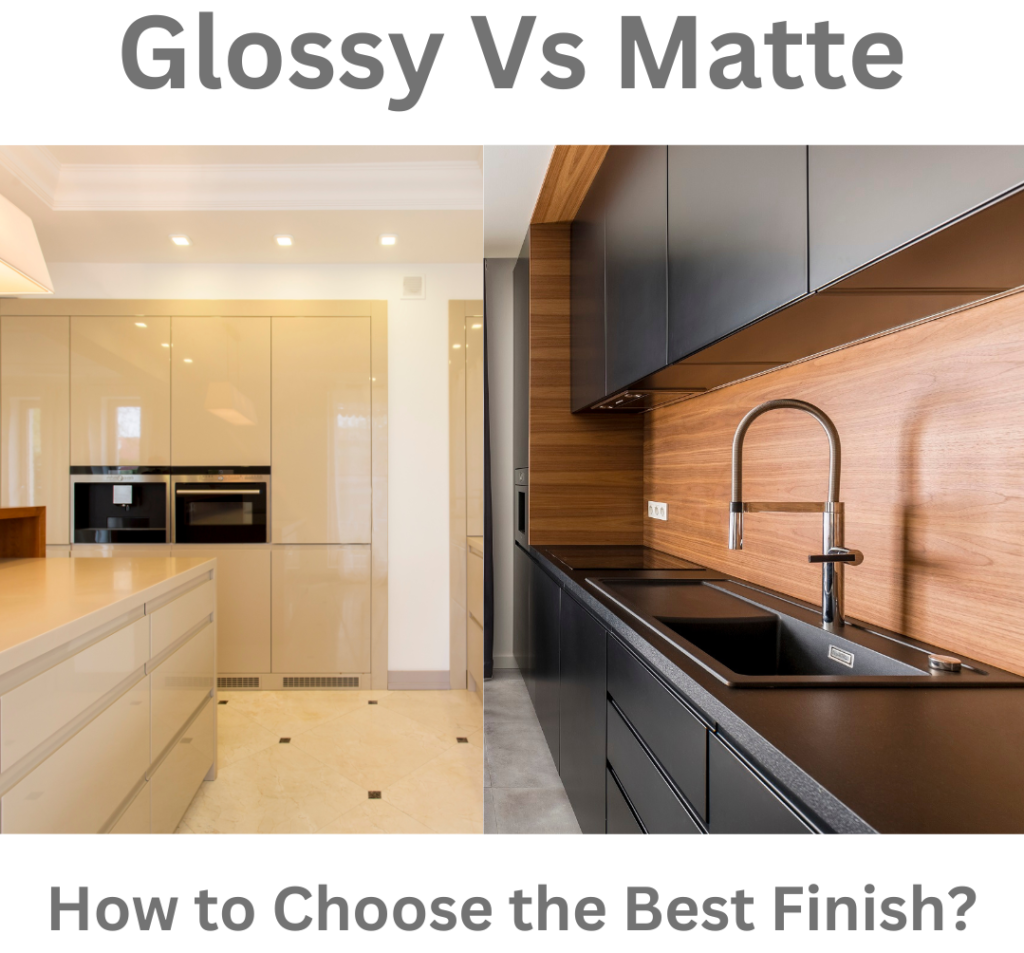
Cabinet finishes come in many colors. White and gray offer a clean, modern feel. Dark colors like navy or black bring drama and depth. Wood finishes add warmth and natural beauty. Matte finishes feel soft and subtle. Glossy finishes shine and reflect light. Texture can be smooth or grainy. Each choice changes the kitchen’s mood.
Matching Kitchen Styles
Different kitchen styles need different cabinet finishes. Traditional kitchens often use rich wood tones. Modern kitchens work well with sleek, flat finishes. Rustic styles benefit from distressed or matte finishes. Coastal kitchens look fresh with light colors and soft textures. The finish should match the overall kitchen theme. It ties the room together nicely.
Trends For 2025
In 2025, natural and earthy tones will be popular. Soft greens, warm browns, and creamy whites stand out. Matte finishes will continue to grow in popularity. Mixed finishes, like combining wood and painted cabinets, are trending. Sustainable and eco-friendly materials will influence finish choices. These trends create kitchens that feel calm and natural.
Cost Comparison
Choosing the best finish for kitchen cabinets affects your budget. Different finishes cost different amounts. Consider both the short-term and long-term expenses. This helps you find a balance between quality and cost.
Initial Investment
Some finishes require more money upfront. Solid wood stains and high-quality paints often cost more. Laminate and veneer are usually cheaper. The price depends on materials and labor needed. Higher-end finishes need skilled work, raising the price.
Long-term Value
Durable finishes save money over time. They resist scratches and stains better. This means fewer repairs or replacements. Cheaper finishes might need fixing sooner. Good finishes keep cabinets looking new longer. This adds value to your kitchen.
Diy Vs Professional Application
Applying finishes yourself can lower costs. Paint and stain are easier for beginners. Complex finishes need professional skills. Pros ensure smooth, even coats. Mistakes in DIY can lead to extra costs. Decide based on your skill and budget.
Eco-friendly Finishes
Choosing an eco-friendly finish for kitchen cabinets helps protect the environment. It also creates a healthier home. These finishes use safer materials and less harmful chemicals. They reduce pollution and waste. Eco-friendly options often last longer and look great too.
Low-voc Options
Low-VOC finishes release fewer harmful gases into the air. VOC stands for volatile organic compounds. These chemicals can cause headaches and breathing problems. Low-VOC paints and stains make indoor air cleaner. They still provide good protection and a nice look for cabinets.
Sustainable Materials
Eco-friendly finishes use materials that come from nature or recycled sources. Natural oils like linseed or tung oil are popular choices. They soak into the wood and protect it well. Some finishes use plant-based resins or water instead of harsh chemicals. These materials reduce waste and rely less on fossil fuels.
Health Impacts
Using eco-friendly finishes lowers the risk of allergies and asthma. They keep your kitchen air fresh and safe. Kids and pets benefit most from safer finishes. These products avoid toxic fumes and irritants. Healthy finishes help create a comfortable and safe space for everyone.
Credit: booth7.com
Finishing Techniques
Finishing techniques shape the look and feel of kitchen cabinets. They protect wood and improve durability. Choosing the right method affects how cabinets age and resist stains. Each technique offers a unique texture and shine level. Understanding these options helps pick the best finish for your kitchen style.
Spray Vs Brush Application
Spray application provides a smooth, even coat. It covers hard-to-reach areas quickly. This method reduces brush marks and streaks. Perfect for a modern, flawless look. Brushing allows more control on edges and corners. It works well for detailed woodwork. Brushing can leave subtle texture, adding character. Both methods require skill for best results.
Hand-rubbed Finishes
Hand-rubbed finishes give cabinets a soft, natural glow. The finish soaks deep into the wood grain. This technique highlights wood’s natural beauty. It often uses oils or waxes for a warm feel. Hand-rubbing takes time but creates a unique, rich look. It offers a classic, handcrafted appeal. Ideal for traditional or rustic kitchen designs.
Sealing And Topcoats
Sealing protects wood from moisture and stains. It forms a barrier that keeps cabinets safe. Topcoats add shine and extra durability. Options include matte, satin, or glossy finishes. Choosing the right topcoat enhances cabinet style. Polyurethane and lacquer are popular choices. These layers extend the life of your cabinets. Regular maintenance keeps the finish looking fresh.
Best Finishes For Different Cabinet Materials
Choosing the right finish for kitchen cabinets depends on the material. Different materials react differently to finishes. This affects durability, look, and maintenance. Understanding the best finishes for each material helps in making smart choices. Here are the best finishes for common cabinet materials.
Solid Wood Cabinets
Solid wood cabinets need finishes that show natural beauty. Oil-based stains enhance wood grain and provide protection. Lacquer finishes create a smooth, shiny surface that is easy to clean. Polyurethane is another good option. It adds a tough, water-resistant layer. Choose satin or semi-gloss for a balanced look.
Mdf Cabinets
MDF cabinets have a smooth surface that accepts paint well. Use primer before painting to avoid peeling. Semi-gloss or high-gloss paint finishes work best. They make the surface easy to wipe and resist stains. Avoid water-based stains as MDF does not absorb them well. A good paint finish improves durability and style.
Plywood Cabinets
Plywood cabinets combine wood strength and cost savings. Use clear finishes to protect and show the wood layers. Water-based polyurethane dries fast and has low odor. It keeps the plywood looking fresh and natural. For a softer look, use matte or satin finishes. These finishes resist scratches and moisture well.
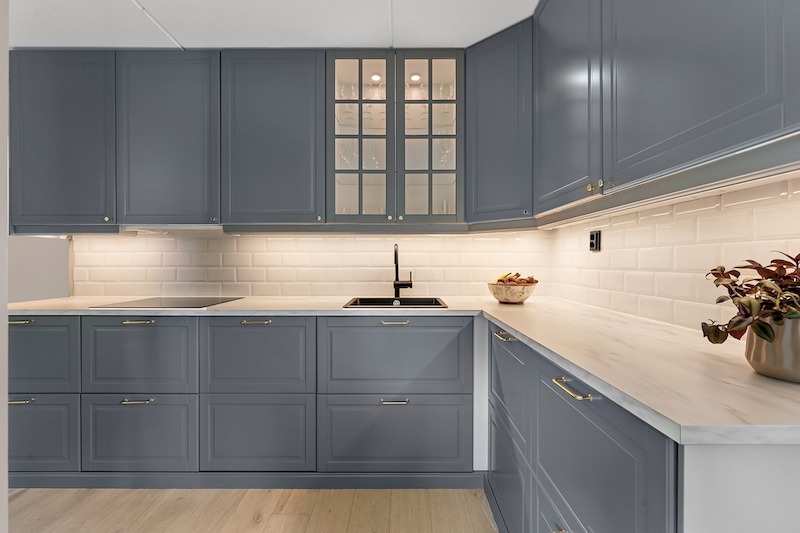
Credit: www.unfinished-kitchen-cabinets.net
Common Mistakes To Avoid
Choosing the best finish for kitchen cabinets is important. Many people make mistakes that can ruin the look and durability of their cabinets. Avoiding these errors saves time and money. It also keeps your kitchen looking fresh and clean for years.
Ignoring Surface Preparation
Surface preparation is key before applying any finish. Skipping sanding or cleaning leaves rough spots and dust. These imperfections cause the finish to peel or chip quickly. A smooth, clean surface helps the finish stick better and look smooth.
Choosing The Wrong Finish For Usage
Not all finishes suit every kitchen. Some finishes resist water and stains better than others. Picking a finish that is not durable can lead to damage from spills and heat. Choose a finish that matches how often you cook and clean.
Overlooking Maintenance Needs
Each finish requires care to stay beautiful. Ignoring cleaning or using harsh chemicals can harm the finish. Regular gentle cleaning and occasional touch-ups keep cabinets looking new. Know the maintenance needs before picking a finish.
Frequently Asked Questions
What Is The Most Durable Finish For Kitchen Cabinets?
The most durable finish for kitchen cabinets is polyurethane. It resists heat, moisture, and scratches, making it ideal for busy kitchens. It also provides a long-lasting, glossy or satin protective layer that enhances cabinet appearance and longevity.
Should I Choose Matte Or Glossy Finish For Cabinets?
Matte finishes hide fingerprints and scratches better, while glossy finishes offer a shiny, reflective surface. Choose matte for a modern, subtle look and glossy for a sleek, bright kitchen aesthetic. Both finishes protect cabinets effectively.
How Does Oil-based Finish Compare To Water-based Finish?
Oil-based finishes offer richer color and stronger durability but take longer to dry and have a stronger odor. Water-based finishes dry faster, have less odor, and maintain cabinet color better but are slightly less durable.
Can I Refinish Kitchen Cabinets Without Sanding?
Yes, using a bonding primer and a high-quality paint or finish can eliminate sanding. This method saves time but works best if cabinets are in good condition and free of peeling paint or varnish.
Conclusion
Choosing the best finish for kitchen cabinets depends on your needs. Consider durability, style, and ease of cleaning. Matte finishes hide fingerprints well. Glossy finishes reflect light and brighten kitchens. Wood stains show natural grain and add warmth. Paint offers many color options for customization.
Think about how often you cook and clean. A good finish protects cabinets and keeps them looking fresh. Take time to select a finish that matches your lifestyle and kitchen design. The right choice makes your kitchen both beautiful and practical.

As the chief content writer, Hassan Al Sarker works as a professional kitchen-based content creator at Kitchen Liker.
In addition to reviewing the content published on Kitchen Liker, he ensures that it is accurate, relevant, and helpful. As a result, all the reviews and information published at Kitchen Liker are neutral and userfriendly.
Hassan Al Sarker has a bachelor’s degree in Hotel and Tourism Management From the Newyork University. Before joining Kitchen Liker, he was a contributor at Kitchen Club, United States.