
When you’re planning your kitchen, one question keeps popping up: how wide should your kitchen cabinet be? Getting this right is key to making your space look great and work well.
If your cabinets are too narrow, you might struggle to fit your essentials. Too wide, and you could waste valuable space or throw off the room’s balance. You’ll discover the ideal cabinet widths that suit different kitchen styles and needs.
Keep reading, because understanding these details will help you create a kitchen that’s both beautiful and perfectly functional for you.
:max_bytes(150000):strip_icc()/guide-to-common-kitchen-cabinet-sizes-1822029-hero-08f8ed3104a74600839ac5ef7471372e.jpg)
Credit: www.thespruce.com
Standard Kitchen Cabinet Widths
Standard kitchen cabinet widths help create a balanced and functional kitchen space. These widths come in set sizes to fit most kitchens and appliances. Knowing these sizes helps you plan your kitchen layout with ease.
Base Cabinet Dimensions
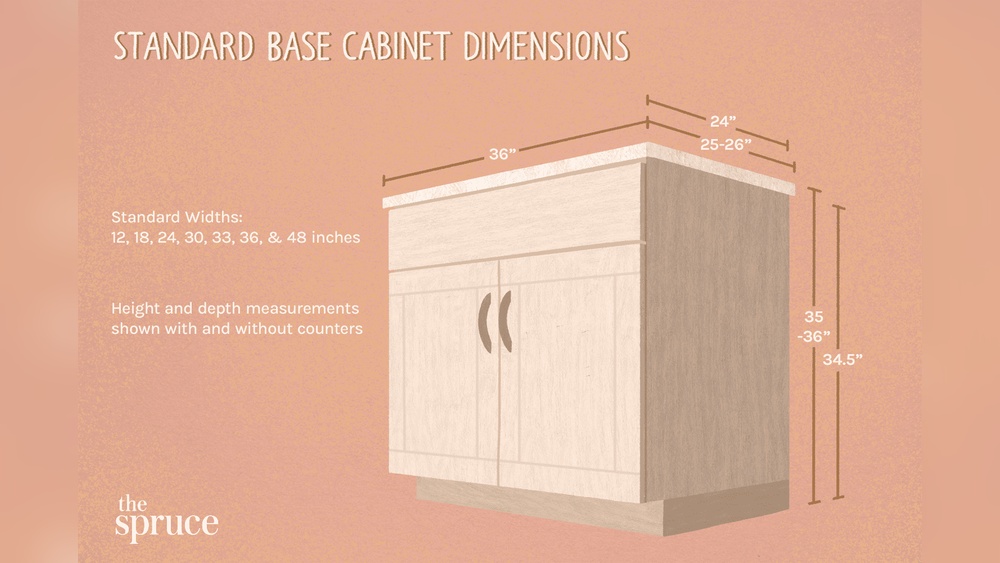
Base cabinets usually start at 12 inches wide. They increase in 3-inch steps, like 15, 18, 21, and so on. The most common width is 24 inches. Base cabinets stand about 34.5 inches tall and 24 inches deep. These sizes fit sinks, drawers, and appliances under the counter.
Wall Cabinet Sizes
Wall cabinets are narrower and lighter than base cabinets. They start at 12 inches wide and also grow in 3-inch steps. Heights vary from 12 to 42 inches. Depth is usually 12 inches to leave space above the counter. Wall cabinets store dishes and other kitchen items.
Tall Cabinet Measurements
Tall cabinets offer extra storage for pantry items or built-in appliances. Their width begins at 18 inches and goes up by 3-inch increments. Heights range from 84 to 96 inches. Depth is often 24 inches, matching base cabinets. Tall cabinets use vertical space efficiently in kitchens.

Credit: www.kraftmaid.com
Factors Affecting Cabinet Width
The width of a kitchen cabinet depends on several important factors. These factors help decide the best size for your kitchen space. Each kitchen is unique and needs different cabinet widths.
Understanding these factors makes it easier to choose cabinets that fit well. It also helps to use the kitchen space more wisely. Let’s explore the main factors that affect cabinet width.
Kitchen Layout Influence
The kitchen layout plays a big role in cabinet width. A small kitchen needs narrow cabinets to save space. Large kitchens can have wider cabinets for more storage. The shape of the kitchen also matters. For example, L-shaped kitchens may have different cabinet widths on each wall.
Appliance Integration
Appliances need space in your kitchen design. Cabinets must fit around refrigerators, ovens, and dishwashers. Some appliances require custom cabinet widths. This ensures appliances fit perfectly without gaps or crowding.
Storage Needs
Your storage needs affect cabinet width too. More kitchen tools and food require wider cabinets. Less storage means smaller cabinets can work well. Choose cabinet widths based on the items you store daily.
Custom Cabinet Width Options
Kitchen cabinets come in many widths to fit your space perfectly. Custom options let you choose the exact size you need. This helps use every inch of your kitchen well. Cabinets can be made wider or narrower than standard sizes. This flexibility makes your kitchen look neat and organized.
Custom widths work well for odd-shaped kitchens or tight spaces. You avoid gaps or crowded areas by picking the right size. Custom cabinets also match your style and storage needs. They give you more control over your kitchen’s design and function.
Tailoring To Space Constraints
Kitchen layouts vary a lot. Some kitchens have narrow walls or unusual corners. Custom cabinets fit these spaces without wasting room. You can measure your kitchen exactly. Then order cabinets that fill every gap. This creates a smooth and clean look. Small kitchens benefit most from tailored cabinets. They help maximize storage and keep the area open.
Material And Cost Considerations
Choosing custom widths may change the material needed. Custom cabinets often use more wood or special panels. This can increase the price. Budget planning helps manage these costs. Some materials cost less but still look nice. Discuss options with your cabinet maker. They can guide you to balance quality and price. Custom cabinets add value by fitting well and lasting long.
Measuring For Kitchen Cabinets
Measuring for kitchen cabinets is an important step before buying or installing them. Accurate measurements help ensure cabinets fit well in your kitchen space. Taking careful measurements prevents costly mistakes and saves time. This guide explains how to measure kitchen cabinets correctly.
Tools Needed
Gather these tools before starting your measurements:
- Tape measure – at least 25 feet long
- Notepad and pen – to write down measurements
- Level – to check if surfaces are even
- Step stool or ladder – to reach high spots
- Helper – optional but useful for accuracy
Step-by-step Measurement Guide
Follow these steps to measure your kitchen for cabinets:
- Measure the width of each wall where cabinets will go.
- Record the height from floor to ceiling at several points.
- Check for any obstacles like doors, windows, or vents.
- Measure the distance between appliances and walls.
- Note down baseboard and molding thickness.
- Use a level to ensure walls are straight and surfaces are even.
- Double-check all measurements for accuracy.
- Write down final numbers clearly for your cabinet supplier.
Popular Cabinet Width Combinations
Popular cabinet width combinations help design kitchens that fit various spaces. Choosing the right widths can save space and improve kitchen flow. Cabinets come in standard sizes, but mixing widths creates practical layouts. This section explores common width choices for small and large kitchens.
Maximizing Small Kitchens
Small kitchens need smart cabinet widths for better use of space. Common widths include 12, 15, 18, and 24 inches. Narrow cabinets, like 12 or 15 inches, fit tight spots and add storage. Combining these with 24-inch cabinets balances storage and movement.
Using 15-inch base cabinets next to the sink saves floor space. Wall cabinets often come in 12 or 15 inches to keep the kitchen open. A mix of narrow and standard widths creates a flexible kitchen layout. This approach avoids crowding and keeps the kitchen functional.
Large Kitchen Configurations
Large kitchens allow wider cabinets for more storage. Popular widths include 30, 36, and 42 inches for base cabinets. These sizes suit big drawers and deep shelves. Wall cabinets often match with 30 or 36 inches for balance.
Combining wide cabinets with smaller ones creates zones for cooking, prepping, and storage. Islands often feature 36 or 42-inch cabinets for large drawers. Mixing widths in large kitchens helps organize tools and ingredients. This method maximizes storage while keeping the kitchen spacious.

Credit: shelfhelpnow.com
Tips For Choosing Cabinet Widths
Choosing the right width for kitchen cabinets affects both how the kitchen looks and works. It is important to pick widths that suit your space and needs. This helps keep the kitchen comfortable and organized. Consider how you will use the cabinets every day. Think about the size of your kitchen and the style you want to create.
Balancing Function And Style
Cabinet widths should fit your kitchen layout well. Wider cabinets store more items but may take too much space. Narrow cabinets save space but hold less. Choose widths that match your storage needs without crowding the room.
Style also matters. Uniform cabinet widths create a neat, clean look. Mixing widths can add interest and break the space visually. Keep a balance between function and appearance for a kitchen you enjoy.
Future-proofing Your Kitchen
Think about changes you might make later. You may add new appliances or need more storage. Pick cabinet widths that allow flexibility for future updates. Avoid very narrow or custom sizes that limit options later.
Choose standard widths when possible. These sizes make it easier to find replacements or add-ons. Planning ahead saves time and money as your kitchen needs change.
Frequently Asked Questions
What Is The Standard Width Of A Kitchen Cabinet?
The standard kitchen cabinet width ranges from 9 to 48 inches. Most common base cabinets are 24 inches wide, while wall cabinets usually start at 12 inches wide. This range accommodates various kitchen sizes and layouts efficiently.
How Wide Are Base Kitchen Cabinets Typically?
Base kitchen cabinets typically measure 24 inches wide. This size provides ample storage and countertop space. They usually stand 34. 5 inches tall and 24 inches deep, fitting most kitchen designs and appliances perfectly.
Can Kitchen Cabinet Width Be Customized?
Yes, kitchen cabinet width can be customized. Custom cabinets allow precise sizing to fit unique kitchen spaces. This flexibility helps maximize storage and ensures a perfect fit for any kitchen layout.
What Widths Are Common For Wall Kitchen Cabinets?
Wall kitchen cabinets usually range from 12 to 36 inches wide. They are shallower than base cabinets, typically 12 inches deep, designed to store lighter items while saving space above countertops.
Conclusion
Kitchen cabinet widths vary to fit different spaces and needs. Standard sizes help plan your kitchen layout well. Knowing these widths makes choosing cabinets easier and smarter. Proper measurements save time and avoid costly mistakes. Always measure your space before buying any cabinets.
This way, your kitchen will look balanced and work better. Small or large kitchens both benefit from the right cabinet size. Remember, good planning leads to a more comfortable kitchen. Keep these tips in mind for your next kitchen project.

As the chief content writer, Hassan Al Sarker works as a professional kitchen-based content creator at Kitchen Liker.
In addition to reviewing the content published on Kitchen Liker, he ensures that it is accurate, relevant, and helpful. As a result, all the reviews and information published at Kitchen Liker are neutral and userfriendly.
Hassan Al Sarker has a bachelor’s degree in Hotel and Tourism Management From the Newyork University. Before joining Kitchen Liker, he was a contributor at Kitchen Club, United States.