
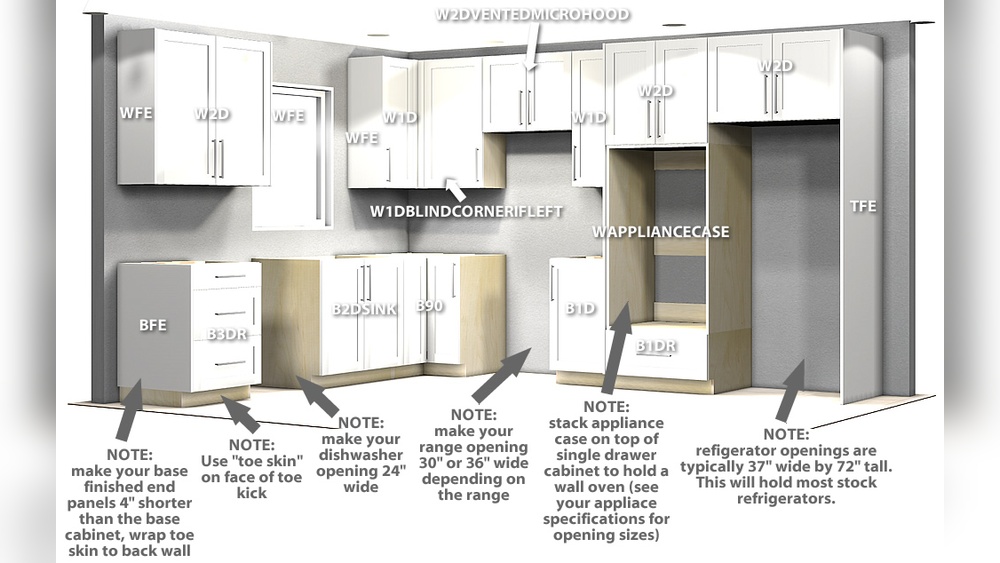
Planning your kitchen cabinet layout can feel overwhelming, but it doesn’t have to be. Imagine opening your kitchen drawers and finding exactly what you need, right where you expect it.
That’s the power of a smart cabinet layout. Whether you’re remodeling or setting up a new kitchen, the right design will save you time, reduce stress, and make cooking more enjoyable. You’ll discover simple, step-by-step tips to create a kitchen cabinet layout that fits your space and lifestyle perfectly.
Ready to turn your kitchen into a well-organized, efficient hub? Let’s get started.

Credit: stylebyemilyhenderson.com
Planning Your Kitchen Space
Planning your kitchen space is the first step in creating a functional and beautiful kitchen. It helps you organize the layout and make the best use of the area. Good planning prevents mistakes and saves money. Focus on the size, shape, and flow of the kitchen to design smart cabinet layouts.
Assessing Kitchen Dimensions
Measure the length, width, and height of your kitchen. Note the position of windows, doors, and vents. Check for any unusual features like columns or beams. Write down all measurements clearly. This will guide your cabinet placement and size choices. Accurate dimensions avoid fitting problems later.
Identifying Work Zones
Divide the kitchen into main work zones: cooking, cleaning, and food storage. Place the stove, sink, and refrigerator close enough for easy access. This layout reduces walking and improves efficiency. Keep counter space near these zones for prep work. A well-planned work triangle makes cooking smoother.
Prioritizing Storage Needs
Think about what you store most in your kitchen. Choose cabinets that fit your pots, pans, dishes, and pantry items. Include drawers for utensils and small tools. Use tall cabinets for infrequent items. Plan for easy-to-reach storage in busy areas. Prioritizing storage keeps your kitchen tidy and functional.
Choosing Cabinet Styles
Choosing the right cabinet style shapes your kitchen’s look and feel. Cabinets set the tone and define the space. Pick styles that match your taste and kitchen size. The style affects storage and how easy the cabinets are to use. Think about the overall design theme of your home. Simple styles bring a clean, modern look. Classic styles add warmth and tradition. The choice can change your kitchen’s personality completely.
Popular Cabinet Designs
Shaker cabinets remain a favorite for many kitchens. They have simple, flat panels with clean edges. This style works well in both modern and classic kitchens. Raised panel cabinets show more detail. They add a traditional, elegant feel. Flat panel cabinets offer a sleek, modern look. They fit well in minimalist designs. Glass-front cabinets open up the space. They also show off dishes and decor. Choose a style that matches your kitchen’s mood and your personal style.
Material Options
Wood is the most common cabinet material. It feels warm and natural. Popular woods include oak, maple, and cherry. Each wood type has a different grain and color. Plywood cabinets are strong and resist warping. MDF is smooth and good for painted finishes. Thermofoil cabinets are budget-friendly and easy to clean. Metal cabinets bring an industrial look. Consider durability and maintenance when picking materials. The right choice lasts for years and fits your lifestyle.
Color And Finish Selection
Color sets the kitchen’s mood and style. White cabinets make kitchens look bright and clean. Dark colors like navy or black add drama and depth. Neutral tones such as gray or beige create a calm space. Glossy finishes reflect light and feel modern. Matte finishes offer a soft, subtle look. Natural wood finishes show the beauty of the grain. Pick colors and finishes that blend with your counters and walls. Think about how much light your kitchen gets too.
Optimizing Cabinet Placement
Optimizing cabinet placement is key to a functional kitchen. Proper layout saves space and makes cooking easier. It helps you reach items quickly and keeps your kitchen organized. Smart cabinet placement improves both style and utility.
Arranging Upper And Lower Cabinets
Place upper cabinets at a height easy to reach for most people. Keep frequently used items in these cabinets. Lower cabinets should store heavy or bulky items. Use drawers in lower cabinets for pots and pans. Balance space between upper and lower cabinets for a neat look.
Incorporating Corner Cabinets
Use corner cabinets to maximize storage in tricky spaces. Install rotating shelves or pull-out trays inside corners. This allows easy access to items stored deep inside. Corner cabinets reduce wasted space and add extra room for kitchen tools.
Considering Appliance Integration
Plan cabinets around appliances like ovens, refrigerators, and dishwashers. Leave enough space for appliance doors to open fully. Use cabinets above appliances for extra storage. Make sure appliances do not block cabinet access. This keeps your kitchen workflow smooth and clutter-free.
Maximizing Storage Efficiency
Maximizing storage efficiency in your kitchen cabinets helps keep everything neat. It saves time and makes cooking easier. Smart organization means you can fit more items in less space. This section shows simple ways to improve cabinet storage.
Using Pull-out Shelves
Pull-out shelves let you reach items at the back easily. No more digging or moving things around. These shelves slide out smoothly, showing all contents at once. They work well for pots, pans, and small appliances. Pull-out shelves make use of deep cabinet space efficiently.
Adding Lazy Susans And Dividers
Lazy Susans spin to reveal hidden items in corner cabinets. They reduce wasted space and keep things accessible. Dividers organize trays, cutting boards, and baking sheets vertically. This keeps them upright and easy to grab. Both tools help separate and arrange items neatly.
Utilizing Vertical Space
Vertical space often goes unused in cabinets. Adding extra shelves or stackable racks creates more storage layers. Hanging hooks inside doors hold small tools or lids. Tall cabinets can store large items like baking dishes upright. Using height wisely increases cabinet capacity without clutter.
Ensuring Functional Workflow
Ensuring a functional workflow in your kitchen cabinet layout makes cooking easier and faster. It helps keep your kitchen organized and safe. Thoughtful planning saves steps and reduces clutter. This means more comfort and less stress while you cook.
Creating The Work Triangle
The work triangle connects the sink, stove, and refrigerator. These three points are where most kitchen work happens. Keep them close but not too tight. A good triangle keeps walking to a minimum. It speeds up cooking tasks and makes the kitchen more efficient.
Maintaining Clear Counter Space
Clear counters give you room to prepare food easily. Avoid placing cabinets or appliances where they block your workspace. Leave open areas next to the sink and stove. This space helps with chopping, mixing, and plating food. Clean counters also make the kitchen look bigger and neater.
Planning For Lighting
Good lighting is key for safety and precision. Bright lights over work areas prevent accidents. Use under-cabinet lighting for countertops. Natural light improves mood and visibility. Plan cabinet placement to allow light to spread evenly. Dark corners slow your workflow and cause eye strain.
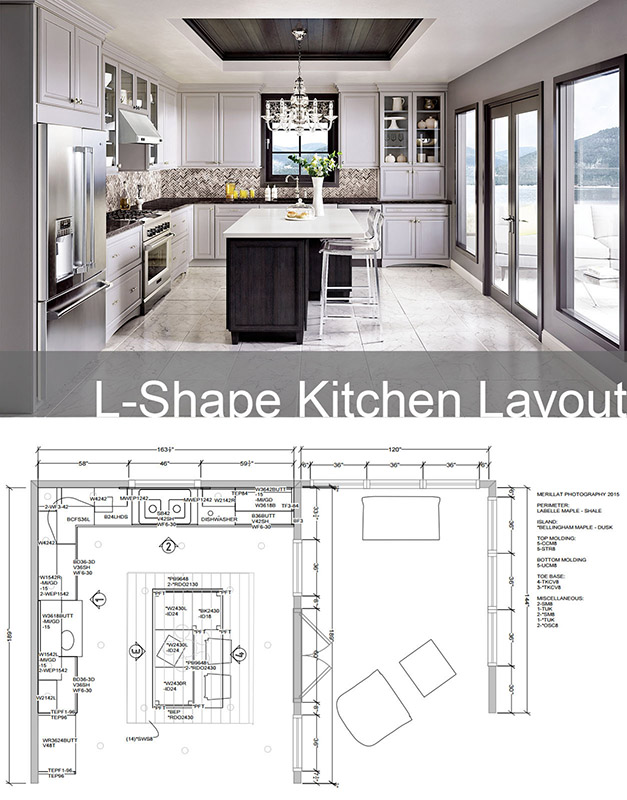
Credit: www.merillat.com
Addressing Budget And Installation
Planning your kitchen cabinet layout requires careful thought about budget and installation. These two factors shape your choices and affect the final look. Managing costs and understanding installation methods help you avoid surprises.
Estimating Costs
Start by listing all cabinet pieces and materials. Include hinges, handles, and screws in your budget. Check prices from different suppliers to find the best deals. Remember to add extra for unexpected expenses. Keep a clear record to track spending. A good estimate helps you stay within budget.
Diy Vs Professional Installation
Installing cabinets yourself saves money but needs skills and tools. It may take longer and cause frustration. Professionals install faster and with fewer errors. They know how to handle tricky spaces. Hiring help costs more but reduces stress. Choose based on your comfort and budget.
Common Installation Mistakes To Avoid
Measure spaces carefully before installation. Wrong sizes cause gaps or tight fits. Avoid rushing; it leads to misaligned cabinets. Use a level to keep cabinets straight. Secure cabinets properly to prevent accidents. Follow manufacturer instructions step-by-step. These tips ensure a smooth installation.

Credit: amishwerks.com
Frequently Asked Questions
How Do I Measure Space For Kitchen Cabinets?
Measure the kitchen walls carefully, including height, width, and depth. Account for appliances, doors, and windows. Accurate measurements ensure the cabinets fit perfectly and maximize storage space.
What Is The Best Cabinet Layout For Small Kitchens?
L-shaped or galley layouts work best for small kitchens. They optimize space and improve workflow. Keep pathways clear and use vertical storage to maximize efficiency.
How Do I Plan Cabinet Placement For Workflow?
Place cabinets near prep, cooking, and cleaning zones. Arrange storage logically to reduce movement. The kitchen work triangle—sink, stove, and refrigerator—should be efficient and unobstructed.
Should I Use Upper Or Lower Cabinets More?
Balance upper and lower cabinets for storage and accessibility. Upper cabinets hold lighter items; lower cabinets store heavy cookware. Combining both enhances storage capacity and kitchen organization.
Conclusion
Planning your kitchen cabinet layout takes time and thought. Focus on space, function, and style. Measure carefully to avoid mistakes. Choose a design that fits your daily needs. Remember, a good layout makes cooking easier and more fun. Take your time and enjoy the process.
Your kitchen will feel more comfortable and organized. Simple steps lead to great results. Keep your needs in mind as you plan. A well-laid-out kitchen helps your home shine.

As the chief content writer, Hassan Al Sarker works as a professional kitchen-based content creator at Kitchen Liker.
In addition to reviewing the content published on Kitchen Liker, he ensures that it is accurate, relevant, and helpful. As a result, all the reviews and information published at Kitchen Liker are neutral and userfriendly.
Hassan Al Sarker has a bachelor’s degree in Hotel and Tourism Management From the Newyork University. Before joining Kitchen Liker, he was a contributor at Kitchen Club, United States.