
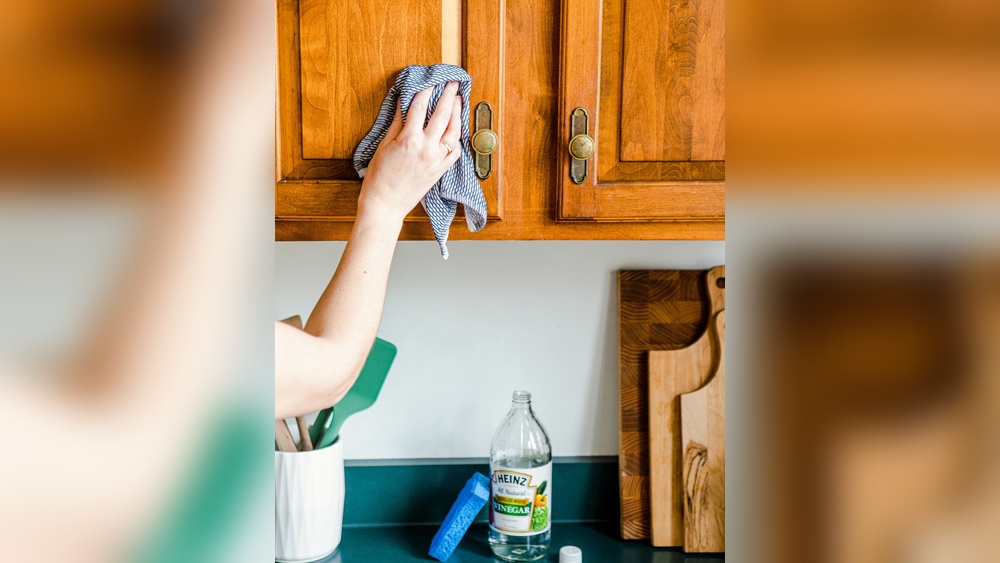
Your kitchen cabinets see a lot of action every day. From greasy fingerprints to food splatters, they can quickly become a hotspot for germs.
But how do you clean them without damaging the wood? You want your cabinets to look fresh and stay safe for your family. You’ll discover simple, effective ways to disinfect your wood kitchen cabinets. By the end, you’ll feel confident keeping your kitchen both sparkling clean and healthy.
Keep reading—you’re just a few steps away from a cleaner, safer kitchen!
Credit: www.shelfgenie.com
Choosing The Right Disinfectant
Choosing the right disinfectant for wood kitchen cabinets is very important. Wood is delicate and can be damaged by harsh chemicals. The right product cleans well without ruining the finish or texture of the wood. It also keeps your cabinets looking fresh and new for a long time.
Many disinfectants are available, but not all suit wood surfaces. Picking a safe and effective option helps protect your investment and your family’s health.
Safe Options For Wood Surfaces
Use disinfectants made especially for wood or gentle enough for it. Products with mild ingredients work best. Avoid bleach or strong alcohol, which can strip wood’s finish. Soap and water mixed with a small amount of vinegar can clean well without harm. Wipe surfaces with a soft cloth to avoid scratches. Test any cleaner on a small hidden area first to check for damage.
Natural Vs Chemical Cleaners
Natural cleaners use ingredients from plants or food. They are usually safe and less harsh on wood. Examples include vinegar, lemon juice, and baking soda. These work well for light cleaning and disinfecting.
Chemical cleaners may kill germs faster but can be strong and risky for wood. Some contain ammonia or bleach, which can discolor or dry out cabinets. Choose chemical products labeled safe for wood surfaces. Always follow the instructions for use and rinse well.
:max_bytes(150000):strip_icc()/SPR-how-to-clean-wood-cabinets-7964253-03-f3fe8f0b0c4f4d4abe94e018e4e87768.jpg)
Credit: www.thespruce.com
Preparing Cabinets For Cleaning
Preparing wood kitchen cabinets for cleaning is important to get the best results. Proper preparation helps protect the wood and removes surface dirt. This step makes disinfecting easier and more effective.
Removing Dust And Debris
Start by wiping the cabinets with a soft, dry cloth. This removes dust and loose dirt. Use a vacuum with a brush attachment to clean corners and edges. Avoid using water at this stage to prevent wood damage. Clean surfaces allow disinfectants to work better.
Testing Disinfectants On A Small Area
Choose a disinfectant safe for wood. Spray a small amount on an inside corner or hidden spot. Wait five minutes and check for color changes or damage. This test prevents harm to the cabinet’s finish. If no damage appears, you can disinfect the rest safely.
Step-by-step Disinfection Process
Disinfecting wood kitchen cabinets keeps your kitchen clean and safe. Follow a clear, simple process to protect the wood and kill germs. This step-by-step guide helps you clean cabinets without damage.
Applying The Cleaner
Choose a cleaner safe for wood surfaces. Spray or apply it evenly on the cabinet doors and handles. Avoid soaking the wood; use just enough to cover the surface. Use a soft cloth or sponge for gentle application.
Allowing Proper Contact Time
Let the cleaner stay on the surface for several minutes. This time helps kill bacteria and viruses effectively. Read the product instructions for exact timing. Do not wipe off the cleaner too soon.
Wiping And Drying
Use a clean, dry cloth to wipe the surface. Remove all cleaner residue and moisture. Drying prevents water damage and keeps wood healthy. Repeat if needed for heavily soiled areas.
Maintaining Wood Cabinet Hygiene
Keeping wood kitchen cabinets clean and germ-free is important for a healthy home. Wood can trap dirt and bacteria if not cared for properly. Regular care helps wood stay strong and look good for years.
Hygiene means more than just wiping the surface. It includes deep cleaning and protecting wood from damage. A good routine stops germs and keeps cabinets fresh.
Regular Cleaning Schedule
Clean cabinets at least once a week. Use a soft cloth and mild soap mixed with water. Avoid harsh chemicals that can harm wood. Wipe in the direction of the wood grain for best results. Dry the surface with a clean cloth after cleaning. This stops moisture from sitting on the wood.
Preventing Moisture Damage
Moisture can cause wood to warp or crack. Fix leaks near cabinets quickly to avoid water damage. Use a dehumidifier if your kitchen is very humid. Avoid placing wet items directly on the wood surface. Always wipe spills immediately to prevent stains and mold. Keep cabinets well-ventilated to help them dry faster.
Common Mistakes To Avoid
Disinfecting wood kitchen cabinets requires care. Many people make simple mistakes that damage the wood. Avoid these errors to keep your cabinets clean and lasting longer. Proper steps ensure your wood stays healthy and looks good.
Using Harsh Chemicals
Harsh chemicals can strip the wood’s finish. They cause discoloration and weaken the surface. Avoid bleach and strong cleaners. Use mild soap or wood-specific disinfectants instead. Gentle products clean without harming the wood.
Over-wetting Wood Surfaces
Wood absorbs water easily. Too much moisture can cause swelling and warping. Use a damp cloth, not a soaked one. Wipe cabinets gently and dry immediately. This protects the wood from damage and mold growth.
:max_bytes(150000):strip_icc()/how-to-clean-wood-kitchen-cabinets-0123-2000-641e7e2dcbdc4518a80417c66e2e9194.jpg)
Credit: www.marthastewart.com
Frequently Asked Questions
How Do I Safely Disinfect Wood Kitchen Cabinets?
Use a mild soap solution with water to clean first. Then, apply a wood-safe disinfectant like diluted vinegar or alcohol. Avoid harsh chemicals that damage wood. Wipe with a soft cloth and dry thoroughly to prevent moisture damage.
Can I Use Bleach On Wood Cabinets?
Bleach is too harsh for wood and may cause discoloration. Instead, use gentle disinfectants like diluted vinegar or rubbing alcohol. Always test on a small hidden area first to ensure the finish is not affected.
How Often Should I Disinfect Wood Kitchen Cabinets?
Disinfect wood cabinets weekly or after cooking messy meals. Regular cleaning prevents germs and keeps surfaces hygienic. Increase frequency during flu season or if someone is sick at home.
What Is The Best Homemade Disinfectant For Wood Cabinets?
A mixture of equal parts white vinegar and water works well. It disinfects without harming the wood finish. Use a soft cloth to apply and dry immediately to avoid moisture damage.
Conclusion
Cleaning wood kitchen cabinets keeps your space fresh and safe. Use gentle disinfectants to avoid damage. Always test cleaners on a small area first. Wipe cabinets with a soft cloth to protect the finish. Regular care stops germs and keeps wood looking good.
Simple steps make a big difference in your kitchen’s health. Stay consistent and your cabinets will last longer. A clean kitchen feels inviting and healthy every day.

As the chief content writer, Hassan Al Sarker works as a professional kitchen-based content creator at Kitchen Liker.
In addition to reviewing the content published on Kitchen Liker, he ensures that it is accurate, relevant, and helpful. As a result, all the reviews and information published at Kitchen Liker are neutral and userfriendly.
Hassan Al Sarker has a bachelor’s degree in Hotel and Tourism Management From the Newyork University. Before joining Kitchen Liker, he was a contributor at Kitchen Club, United States.