
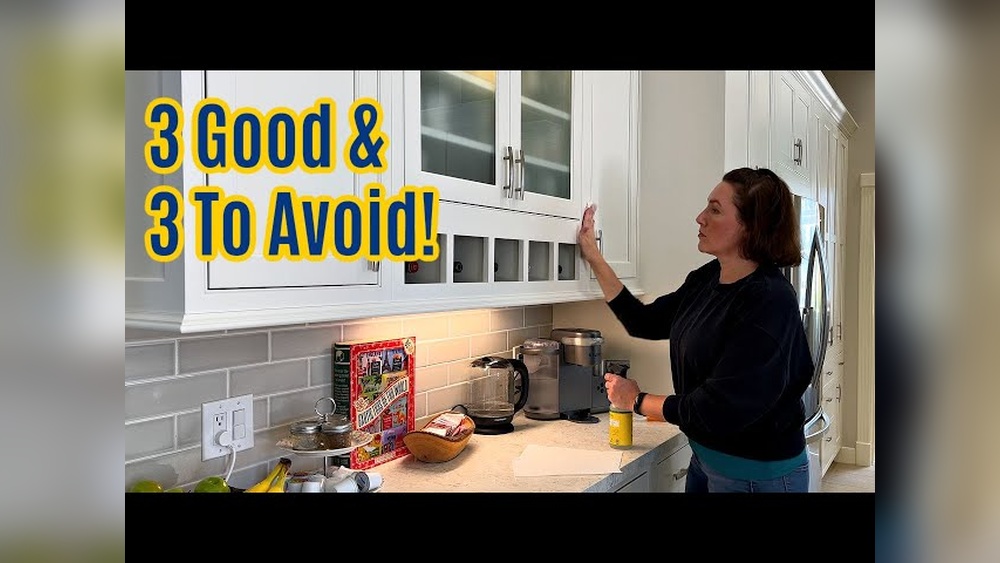
Are your white kitchen cabinets looking dull or stained? Keeping them bright and spotless can feel like a tough job, but it doesn’t have to be.
You deserve a kitchen that shines and feels fresh every day. You’ll discover simple, effective ways to clean your white cabinets without harsh chemicals or endless scrubbing. By the end, you’ll have easy tips that save you time and bring back that beautiful, crisp look you love.
Ready to transform your kitchen? Let’s get started!
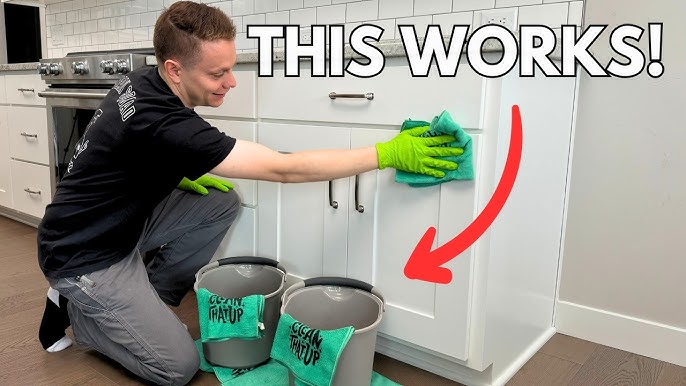
Credit: www.youtube.com
Gather Cleaning Supplies
Gathering the right cleaning supplies is the first step to clean white kitchen cabinets well. Having everything ready saves time and makes the job easier. It helps protect the cabinet surfaces from damage.
Essential Tools And Materials
Start with soft cloths or microfiber towels to avoid scratches. A gentle sponge works well for scrubbing. Use a bucket to mix cleaning solutions. Have a spray bottle for easy application. Gloves protect your hands from harsh chemicals. A soft-bristle brush helps reach corners and edges. Paper towels are useful for drying and quick touch-ups.
Choosing The Right Cleaners
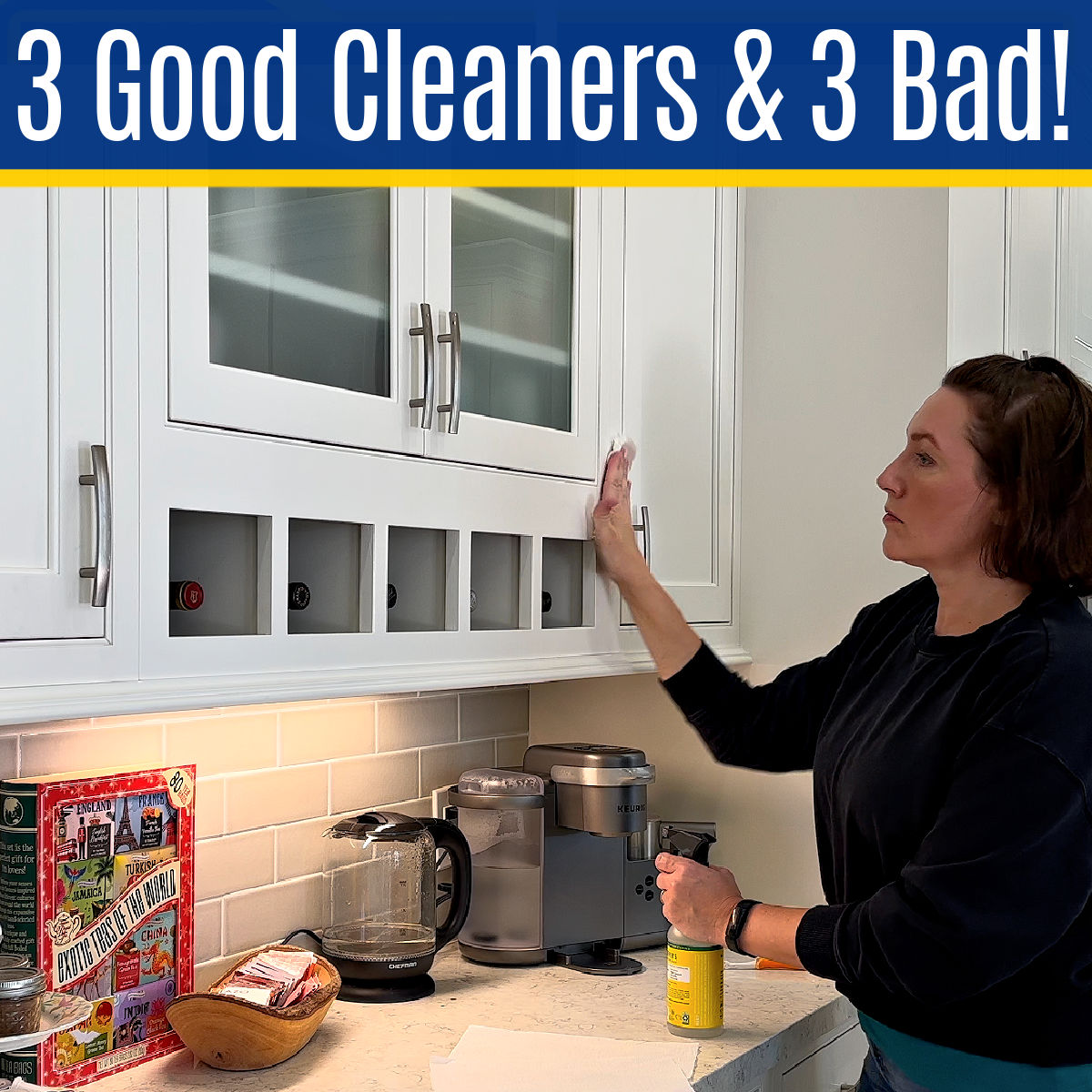
Pick mild cleaners safe for painted or wood surfaces. Dish soap diluted in warm water removes grease and dirt. Avoid harsh chemicals that can strip paint or finish. White vinegar diluted with water is a natural cleaner. Baking soda works as a gentle scrub for tough stains. Test any cleaner on a small spot first. Use cleaners that do not leave residue or streaks.
Credit: www.abbottsathome.com
Prepare The Cabinets
Preparing your white kitchen cabinets is the first important step before cleaning. This helps you clean more easily and avoid damage. Taking time to prepare makes the process smooth and effective. Follow these simple steps to get started.
Remove Items And Dust
Clear everything from the cabinet surfaces and shelves. Take out dishes, spices, and other stored items. This gives full access to all cabinet areas. Next, use a dry cloth or soft brush to remove dust. Dust can block cleaning products from working well. Removing dust first leads to better cleaning results.
Protect Surrounding Areas
Put down towels or cloths around the cabinets. This protects your countertops and floors from drips or spills. Also, cover nearby appliances or walls if needed. Use painter’s tape on edges to avoid damage. Protecting these areas keeps your kitchen safe and clean during the process.
Clean Surface Stains
White kitchen cabinets brighten any kitchen but show stains easily. Cleaning surface stains keeps them fresh and neat. Regular care prevents dirt build-up and discoloration.
Wipe Down With Mild Soap
Start with a soft cloth and warm water. Add a few drops of mild soap. Gently wipe the cabinet surfaces to remove light stains. Avoid harsh chemicals that can damage the paint or finish. Rinse the cloth often and change water if it gets dirty. Dry the cabinets with a clean towel to avoid water marks.
Tackle Grease And Grime
Grease builds up near stoves and handles. Mix equal parts water and white vinegar in a spray bottle. Spray the solution on greasy areas and let it sit for a few minutes. Use a soft brush or sponge to scrub gently. Wipe clean with a damp cloth and dry thoroughly. This removes tough grease without harming the cabinet surface.
Deep Cleaning Techniques
Deep cleaning white kitchen cabinets removes tough stains and built-up grime. It restores their bright, clean look. These techniques use simple ingredients found at home. They work well on painted or laminate surfaces without causing damage. Follow these easy methods for a fresh, spotless kitchen.
Use Baking Soda Paste
Baking soda is a gentle, natural cleaner. It lifts stains without scratching surfaces. Mix baking soda with water to form a thick paste. Apply the paste to dirty cabinet areas with a soft cloth. Rub gently in small circles to break down grime. Let it sit for 10 minutes to work on stains. Wipe off the paste with a damp cloth. Repeat if needed for stubborn spots. Baking soda also deodorizes and brightens cabinets.
Apply Vinegar Solution
White vinegar cuts through grease and disinfects surfaces. Mix equal parts white vinegar and warm water in a spray bottle. Spray the solution on cabinet doors and edges. Allow it to sit for 5 minutes to loosen dirt. Wipe clean with a soft cloth or sponge. Vinegar removes sticky residues and dull film. Avoid using vinegar on natural wood finishes, as it can damage them. This solution is safe for painted or laminate cabinets. It leaves a fresh, clean scent behind.
Handle Tough Spots
White kitchen cabinets brighten any space but can show stains easily. Tough spots can be tricky to clean and need special care. Treating these areas gently helps keep your cabinets looking fresh. The right methods remove grime without damaging the finish.
Scrape Off Sticky Residue
Sticky residue can come from spilled food or glue. Use a plastic scraper or old credit card to lift it gently. Avoid metal tools that can scratch the surface. After scraping, wipe the area with a damp cloth. Mild soap with warm water helps remove leftover stickiness. Repeat if needed, but be gentle to protect the paint.
Remove Mold And Mildew
Mold and mildew appear in damp or dark spots on cabinets. Mix equal parts water and white vinegar in a spray bottle. Spray the solution on affected areas and let it sit for 10 minutes. Wipe clean with a soft cloth. Vinegar kills mold without harsh chemicals. For tough mold, use a baking soda paste and scrub lightly. Rinse with water and dry thoroughly to stop mold from returning.

Credit: www.loveandrenovations.com
Dry And Polish Cabinets
Drying and polishing white kitchen cabinets is a key step after cleaning. It removes moisture to avoid damage and keeps cabinets looking fresh. Polishing adds a soft shine and protects the surface from stains and dust. This step helps maintain the bright look of your white cabinets for longer.
Use Microfiber Cloths
Microfiber cloths are gentle and absorbent. They dry cabinets without scratching the surface. Use a clean, dry microfiber cloth to wipe each door and drawer. Move in small circles for best results. These cloths trap dust and dirt effectively, leaving the cabinets smooth and clean.
Add Shine With Furniture Polish
Furniture polish enhances the cabinet’s shine and protects the finish. Choose a polish made for wood or painted surfaces. Apply a small amount to a soft cloth. Rub the polish gently over the cabinet doors and frames. Avoid using too much polish to prevent buildup. The polish keeps your cabinets looking bright and new.
Maintain Clean Cabinets
Keeping white kitchen cabinets clean is easier with regular care. Dirt and stains can build up fast in kitchens. A good maintenance routine helps cabinets look fresh and bright. It also extends their life. Simple habits prevent tough cleaning jobs later.
Here are two key steps to maintain clean white kitchen cabinets.
Regular Wiping Schedule
Wipe cabinets often to stop dirt and grease from settling. Use a soft cloth and mild cleaner. Avoid harsh chemicals that can damage the finish. Wiping once or twice a week works well. Pay close attention to handles and edges. These spots catch the most grime.
Prevent Stains And Damage
Act quickly on spills to avoid stains. Clean splashes from cooking or drinks right away. Use coasters and mats near sinks and stoves. Avoid placing hot pots directly on cabinet surfaces. Protect cabinets from sharp objects that cause scratches. Small efforts prevent big damage over time.
Frequently Asked Questions
How Often Should I Clean White Kitchen Cabinets?
Clean white kitchen cabinets weekly to prevent dirt buildup. Wipe with a damp cloth and mild detergent. This keeps them bright and stain-free.
What Is The Best Cleaner For White Cabinets?
Use a gentle cleaner like warm soapy water or vinegar solution. Avoid harsh chemicals that can damage the paint or finish.
How Do I Remove Grease From White Cabinets?
Apply a mixture of baking soda and water to greasy spots. Gently scrub with a soft cloth, then rinse and dry thoroughly.
Can I Use Bleach To Clean White Kitchen Cabinets?
Avoid bleach as it can discolor and damage cabinet surfaces. Opt for mild cleaners to maintain cabinet integrity and appearance.
Conclusion
Cleaning white kitchen cabinets keeps your kitchen bright and fresh. Use gentle cleaners and soft cloths to avoid damage. Regular cleaning stops dirt and stains from building up. Small steps make a big difference over time. Keep your cabinets looking new with simple care.
A clean kitchen feels welcoming and neat every day. Try these easy tips to maintain your white cabinets well. Your kitchen deserves this little extra attention.

As the chief content writer, Hassan Al Sarker works as a professional kitchen-based content creator at Kitchen Liker.
In addition to reviewing the content published on Kitchen Liker, he ensures that it is accurate, relevant, and helpful. As a result, all the reviews and information published at Kitchen Liker are neutral and userfriendly.
Hassan Al Sarker has a bachelor’s degree in Hotel and Tourism Management From the Newyork University. Before joining Kitchen Liker, he was a contributor at Kitchen Club, United States.