
Have you ever wondered how tall standard kitchen cabinets really are? Whether you’re planning a kitchen makeover or just curious, knowing the right cabinet height can make a huge difference.
It affects how comfortable your kitchen feels and how easy it is to reach your favorite pots and pans. Keep reading, and you’ll discover the key measurements you need to create a kitchen that fits you perfectly. This simple detail might just change the way you think about your kitchen space.
Standard Kitchen Cabinet Heights
Standard kitchen cabinet heights help create a comfortable and functional space. These heights fit most kitchens and allow easy access to storage. Knowing the common dimensions can guide your design choices. It also ensures your kitchen looks balanced and works well.
Base Cabinet Dimensions
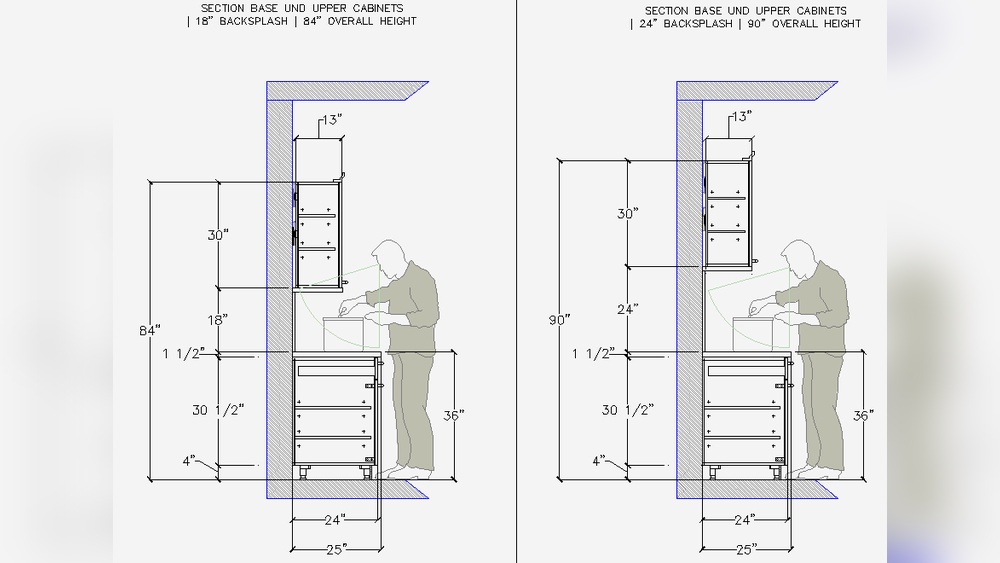
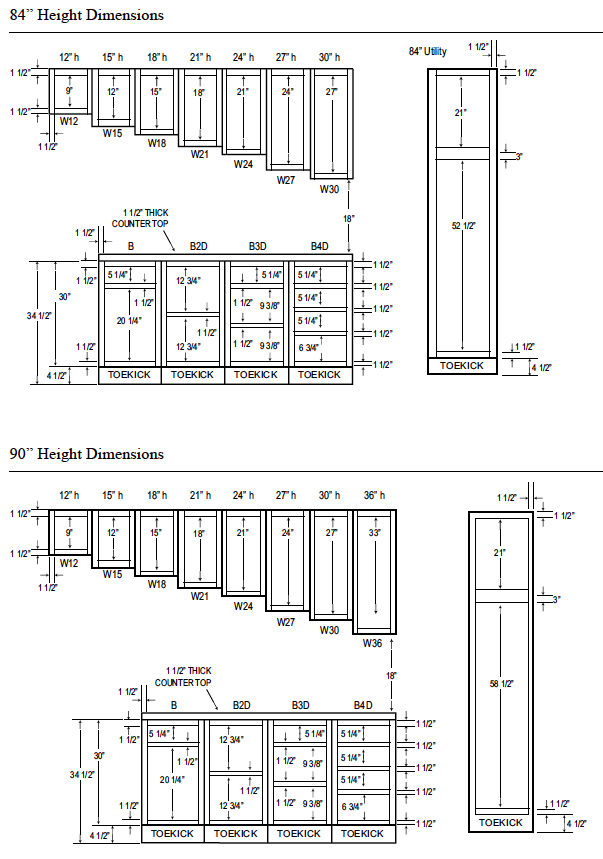
Base cabinets usually stand 34.5 inches tall. This height includes the cabinet box without the countertop. With a countertop, the total height becomes about 36 inches. The depth of base cabinets is generally 24 inches. The width varies from 9 to 48 inches in sections. These dimensions make it easy to reach items inside and work on the countertop.
Wall Cabinet Sizes
Wall cabinets hang above the base cabinets. They typically start 18 inches above the countertop. Their height ranges from 12 to 42 inches. Most common wall cabinets are 30 inches tall. Their depth is usually 12 inches. These sizes offer enough storage without crowding the space.
Tall Cabinet Heights
Tall cabinets, also known as pantry or utility cabinets, stand between 84 and 96 inches tall. They provide extra storage from floor to ceiling. These cabinets fit well in kitchens with higher ceilings. Tall cabinets help keep large items and pantry goods organized. Their depth is similar to base cabinets, about 24 inches.

Credit: vhomedesign.com.my
Factors Influencing Cabinet Height
Several factors influence the height of standard kitchen cabinets. These factors shape the final design to fit the kitchen space and user needs. Understanding these can help in choosing or customizing cabinets that work best.
Ceiling Height Impact
Ceiling height plays a key role in cabinet height. Taller ceilings allow for taller upper cabinets or extra storage space above. Lower ceilings may require shorter cabinets to keep a balanced look. This keeps the kitchen from feeling cramped or crowded.
Countertop Thickness
Countertop thickness affects the base cabinet height. Thicker countertops add height to the overall cabinet setup. Standard base cabinets measure 34.5 inches high without the countertop. Adding a thick countertop can change the total height to fit the kitchen design better.
User Ergonomics
User comfort guides cabinet height choices. Cabinets should be easy to reach without stretching or bending too much. Ergonomic design prevents strain during cooking or cleaning. This makes the kitchen safer and more pleasant to use daily.
Custom Vs Standard Cabinet Heights
Choosing between custom and standard kitchen cabinet heights affects your kitchen’s look and function. Standard cabinets have fixed heights that fit most kitchens. Custom cabinets allow more options to fit unique spaces and needs. This section explores the differences to help you decide.
When To Choose Custom Cabinets
Custom cabinets suit kitchens with unusual layouts or ceilings. They fit perfectly in spaces where standard sizes don’t work. Choose custom if you want specific storage or style. They offer solutions for small, tall, or oddly shaped kitchens.
Cost Differences
Standard cabinets cost less due to mass production. Custom cabinets are more expensive because they are made to order. The price depends on materials, design, and size. Budget matters when deciding between standard and custom options.
Design Flexibility
Custom cabinets provide more design freedom. You can choose exact heights, widths, and finishes. Standard cabinets limit you to preset sizes and styles. Custom options help create a unique kitchen that fits your needs.
Credit: www.highlandsdesigns.com
Measuring For Kitchen Cabinets
Measuring for kitchen cabinets is an important step. It ensures cabinets fit perfectly in the space. Accurate measurements help avoid costly mistakes. This process sets the foundation for a smooth kitchen remodel or installation.
Take your time and measure carefully. Small errors can cause big problems later. Use the right tools and follow a clear plan. This will make your project easier and more successful.
Tools Needed
- Tape measure – for precise length and width
- Level – to check for even surfaces
- Pencil and paper – to note down measurements
- Step stool – to reach higher areas
- Stud finder – to locate wall studs
Step-by-step Measurement Guide
- Measure the height from floor to ceiling.
- Measure the width of each wall where cabinets go.
- Check the depth of the space for base cabinets.
- Mark the location of doors, windows, and appliances.
- Note any obstructions like pipes or vents.
- Measure the distance from the floor to electrical outlets.
- Record all measurements clearly and double-check them.
Common Mistakes To Avoid
- Not measuring more than once for accuracy.
- Forgetting to measure around corners or uneven walls.
- Ignoring space needed for cabinet doors to open.
- Overlooking appliances that affect cabinet placement.
- Failing to consider ceiling height changes or slopes.
- Skipping notes on wall studs or plumbing locations.
Adjusting Cabinet Heights For Functionality
Adjusting the height of kitchen cabinets improves how you use your kitchen. It helps fit your needs and makes daily tasks easier. Different kitchens need different cabinet heights. A well-planned height can save space and add comfort.
Accommodating Appliances
Certain appliances need specific space. Tall cabinets may block fridge doors or ovens. Adjust cabinet height to fit appliances perfectly. This prevents damage and allows easy access. Proper spacing keeps your kitchen safe and efficient.
Storage Optimization
Changing cabinet height maximizes storage space. Taller cabinets hold more items. Shorter cabinets offer quick access to daily tools. Mix heights to organize better. This keeps your kitchen tidy and items easy to find.
Accessibility Considerations
Cabinet height affects who can use the kitchen comfortably. Lower cabinets help children and people with limited reach. Higher cabinets work for tall adults. Adjust heights to suit family needs. Everyone enjoys a kitchen that fits their reach.

Credit: pelicancr.com
Trends In Kitchen Cabinet Heights
Kitchen cabinet heights have evolved with changing design tastes and practical needs. Trends now focus on comfort, style, and maximizing space. Understanding these trends helps homeowners choose cabinets that fit their kitchens perfectly.
Modern Cabinet Height Preferences
Standard kitchen cabinets once had fixed heights. Today, many prefer taller cabinets to use vertical space well. Cabinets often rise to 42 inches or higher above the countertop. This height helps store more items and keeps kitchens neat. Some designs choose shorter wall cabinets for a lighter look. The choice depends on kitchen size and user comfort.
Impact Of Open Shelving
Open shelves change the height game. They replace some traditional cabinets, adding a fresh, airy feel. Shelves usually sit at eye level or just above. This height makes it easy to reach everyday items. Open shelving encourages simpler, less cluttered kitchens. It also allows mixing cabinet heights for a unique style.
Innovations In Cabinet Design
New cabinet designs focus on flexibility. Adjustable shelves and pull-down racks let users customize heights. Some cabinets combine tall and short sections for better use of space. Soft-close doors and hidden handles improve function and look. These innovations make kitchens more user-friendly and stylish.
Frequently Asked Questions
What Is The Standard Height Of Base Kitchen Cabinets?
The standard height of base kitchen cabinets is 34. 5 inches. This includes the cabinet box only. With countertop thickness, the total height reaches about 36 inches.
How Tall Are Upper Kitchen Cabinets Typically?
Upper kitchen cabinets usually measure between 30 and 42 inches tall. The height depends on ceiling height and design preferences. Standard upper cabinets often start 18 inches above the countertop.
What Is The Depth Of Standard Kitchen Cabinets?
Base cabinets typically have a depth of 24 inches. Upper cabinets are usually 12 inches deep. Depth may vary based on kitchen layout and user needs.
Can Kitchen Cabinet Heights Be Customized?
Yes, cabinet heights can be customized to fit specific needs. Custom cabinets allow flexibility in height, width, and depth. This helps accommodate various kitchen designs and ergonomic requirements.
Conclusion
Standard kitchen cabinets usually stand about 34 to 36 inches tall. This height fits most people comfortably while cooking or cleaning. Wall cabinets often measure 30 to 42 inches high. Knowing these sizes helps plan your kitchen better. It makes your space more functional and organized.
Remember, small changes can improve comfort and style. Choose cabinet heights that suit your needs well. This simple info guides smart kitchen design choices.

As the chief content writer, Hassan Al Sarker works as a professional kitchen-based content creator at Kitchen Liker.
In addition to reviewing the content published on Kitchen Liker, he ensures that it is accurate, relevant, and helpful. As a result, all the reviews and information published at Kitchen Liker are neutral and userfriendly.
Hassan Al Sarker has a bachelor’s degree in Hotel and Tourism Management From the Newyork University. Before joining Kitchen Liker, he was a contributor at Kitchen Club, United States.