
Are you planning to update your kitchen or build a new one? One of the biggest questions you might have is: how high should your kitchen cabinets be?
Getting this right can change the entire feel of your kitchen. Too high, and you’ll struggle to reach your favorite items. Too low, and your space might feel cramped and uncomfortable. You’ll discover the perfect cabinet height that matches your needs, makes your kitchen look great, and works well for your daily routine.
Keep reading to find the secret to a kitchen that’s both stylish and super functional.

Credit: metcabinet.com
Standard Kitchen Cabinet Heights
Standard kitchen cabinet heights create a balanced and functional space. They help your kitchen look neat and feel comfortable. Knowing these dimensions makes planning easier. Cabinets come in three main types: base, wall, and tall cabinets. Each type has typical sizes that fit most kitchens.
These sizes work well for cooking, cleaning, and storage. They also match common appliance heights. Let’s explore the usual heights for each cabinet type.
Base Cabinet Dimensions
Base cabinets usually measure 34.5 inches tall. This height is without the countertop. With a countertop, the total height is about 36 inches. The depth of base cabinets is generally 24 inches. This size fits most kitchens and makes work surfaces easy to use.
Base cabinets hold sinks, cooktops, and drawers. The height suits most people for cooking and washing.
Wall Cabinet Dimensions
Wall cabinets are mounted above the base cabinets. Their height varies from 12 to 42 inches. The most common height is 30 inches. Depth usually ranges from 12 to 15 inches. Wall cabinets provide easy access to dishes and food.
The space between base and wall cabinets is often 18 inches. This gap offers enough room for counters and backsplashes.
Tall Cabinet Sizes
Tall cabinets, also called pantry cabinets, stand on the floor. They often measure between 84 and 96 inches tall. Their depth matches base cabinets, around 24 inches. Tall cabinets store large items and appliances.
They maximize vertical space and keep kitchens organized. Tall cabinets add storage without crowding the room.
Factors Influencing Cabinet Height
Choosing the right height for kitchen cabinets affects both style and function. Several factors decide how high cabinets should be placed. Understanding these factors helps create a kitchen that feels comfortable and works well.
User Height And Comfort
Cabinet height should match the user’s height for easy reach. Taller people may prefer higher cabinets, while shorter users need them lower. Comfort prevents strain and makes cooking tasks easier. Think about who uses the kitchen most often.
Kitchen Layout And Space
The size and shape of the kitchen affect cabinet placement. Small kitchens may need cabinets placed lower to avoid crowding. Open layouts offer more freedom for height choices. Space around cabinets must allow easy movement and access.
Appliance Integration
Cabinet height must fit with appliances like microwaves and ovens. Built-in appliances require specific clearance above and below. Proper alignment keeps the kitchen looking neat and organized. Measure appliances before setting cabinet height.
Adjusting Heights For Accessibility
Adjusting kitchen cabinet heights improves access for everyone. Not all users have the same reach or strength. Cabinets should be easy to open and reach without strain. Thoughtful height adjustments create a safer, more comfortable kitchen space.
Designing with accessibility in mind helps all family members. It supports independence and ease during daily tasks. Small changes in cabinet height can make a big difference in usability.
Ergonomic Considerations
Ergonomics focuses on comfort and efficiency. Cabinets placed too high cause stretching and discomfort. Cabinets too low force bending and back pain. Ideal cabinet height matches the average user’s reach. This reduces strain on the arms and back. Adjustable shelves also help to fit different needs.
Universal Design Principles
Universal design works for people of all ages and abilities. Cabinets should be reachable from a standing or seated position. Lower cabinets with pull-out drawers add ease for wheelchair users. Handles and knobs should be easy to grasp. Clear floor space in front of cabinets improves mobility.
Custom Solutions
Custom cabinets offer tailored height and storage options. Measuring individual users helps set the best cabinet height. Some kitchens include pull-down racks for high cabinets. Custom solutions solve unique accessibility challenges. This approach maximizes comfort and usability in any kitchen.
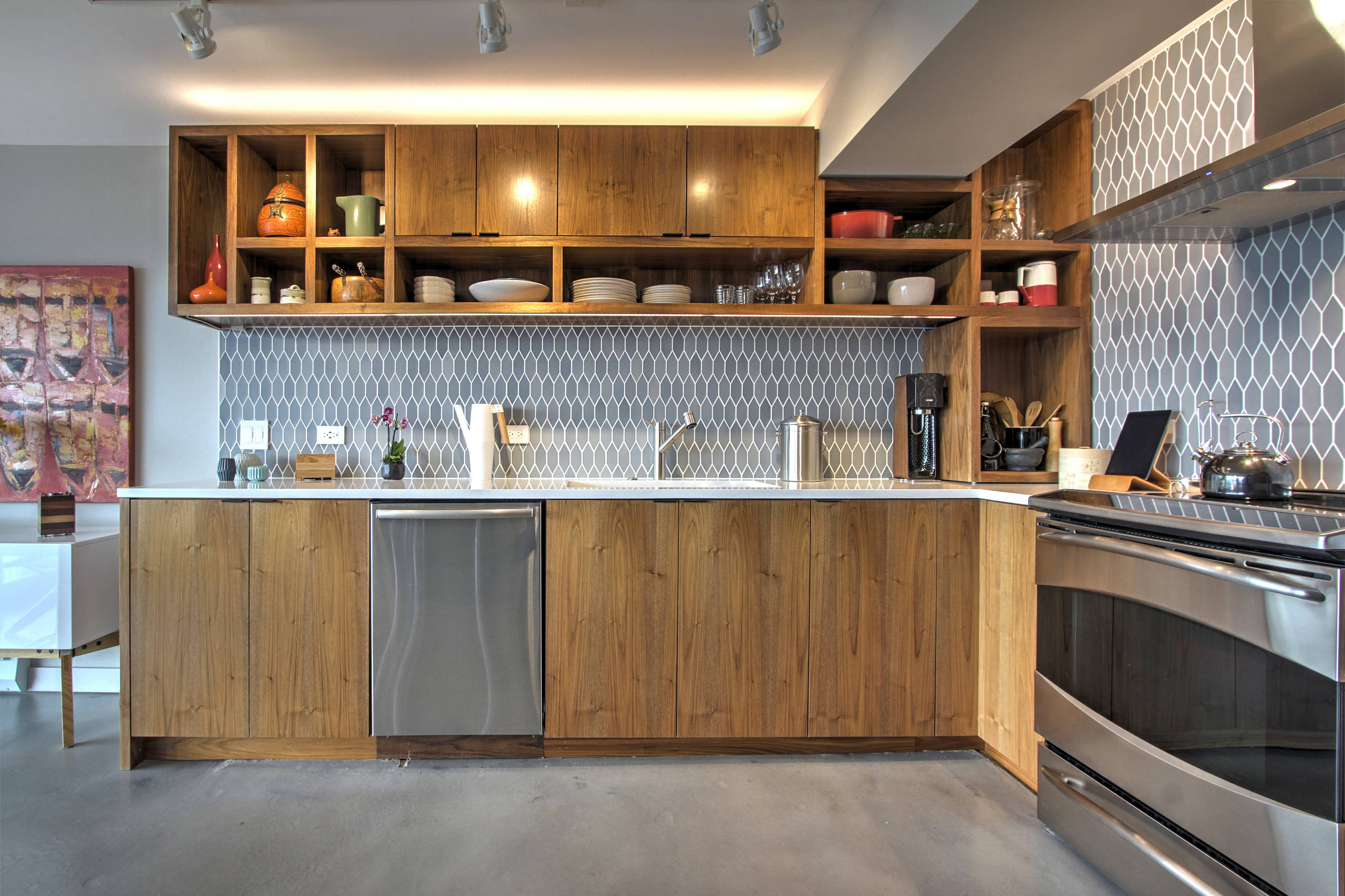
Credit: www.houzz.com
Choosing Heights For Different Kitchen Styles
Choosing the right height for kitchen cabinets depends on the style of your kitchen. Each style has a unique look and function. Cabinet heights affect both appearance and comfort. Understanding the typical heights for different kitchen styles helps create a balanced space. It also makes cooking and storage easier. Below are common cabinet height choices for popular kitchen designs.
Modern And Minimalist Kitchens
Modern kitchens often have sleek, clean lines. Cabinets usually sit higher on the wall. A common height is 42 inches from the floor. This creates more storage without cluttering the space. Upper cabinets may reach the ceiling for a streamlined look. Floating shelves or handleless doors add to the minimalist feel. Keeping the cabinets higher also makes the counters feel more open and spacious.
Traditional And Classic Kitchens
Traditional kitchens focus on warmth and detail. Cabinets usually stand around 36 inches tall. This matches standard countertop height for easy use. Upper cabinets often measure 30 to 36 inches high. This keeps the kitchen feeling cozy and balanced. Crown molding and decorative trims are common on the cabinets. These details highlight the classic style and add character.
Rustic And Country Kitchens
Rustic kitchens offer a cozy, lived-in look. Cabinets can be slightly lower or higher, depending on the space. Many choose 36 inches for base cabinets to keep counters comfortable. Upper cabinets often sit 18 to 24 inches above the counter. Open shelves and glass-front doors are popular here. These choices help create a warm, inviting kitchen with plenty of charm.
Installation Tips For Perfect Heights
Installing kitchen cabinets at the right height makes your kitchen more comfortable and functional. Proper installation helps cabinets look good and last longer. This section gives simple tips to set the perfect height for your cabinets.
Measuring And Planning
Start by measuring the wall space where cabinets will go. Note the height from the floor to the ceiling. Plan the cabinet height to fit your kitchen size and your reach. Mark the measurements clearly on the wall before you begin.
Aligning With Countertops
Keep a gap of about 18 inches between the countertop and the bottom of wall cabinets. This space allows room for appliances and work. Make sure the bottom of the cabinets is level with the top of the countertops. This creates a neat, clean look.
Ensuring Level And Stability
Use a level tool to keep cabinets straight during installation. Check the level several times for accuracy. Secure cabinets firmly to wall studs for stability. Tight screws prevent cabinets from sagging or falling over time.
Common Mistakes To Avoid
Choosing the right height for kitchen cabinets is important. Many people make simple mistakes that affect comfort and style. Avoid these common errors to make your kitchen both useful and beautiful.
Ignoring User Needs
People forget to think about who uses the kitchen most. Tall or short users need different cabinet heights. Cabinets too high or too low cause discomfort. Always consider the main cook’s height and reach. This makes daily tasks easier and safer.
Overlooking Appliance Clearance
Appliances like microwaves and refrigerators need space. Cabinets placed too close can block ventilation or door openings. This harms appliances and wastes kitchen space. Measure appliances carefully before setting cabinet heights. Proper clearance avoids damage and improves function.
Neglecting Aesthetic Balance
Kitchen design looks off if cabinets are uneven. Too tall or too short cabinets disrupt room harmony. Match cabinet height with ceiling height and other furniture. Balanced proportions create a pleasant and inviting kitchen. Pay attention to style and space together.

Credit: cabinetstiles.com
Frequently Asked Questions
What Is The Standard Height For Kitchen Cabinets?
The standard height for upper kitchen cabinets is 54 inches from the floor. This allows for a 18-inch space between the countertop and cabinets for workspace and appliances. Base cabinets are typically 34. 5 inches tall including the countertop.
How High Should Cabinets Be Above The Countertop?
Cabinets should be installed about 18 inches above the countertop. This height balances accessibility and workspace, allowing enough room for appliances and food prep.
Should Kitchen Cabinet Height Vary By Ceiling Height?
Yes, cabinet height can be adjusted for ceiling height. Taller ceilings allow for higher cabinets or extra cabinet rows, maximizing storage and aesthetic appeal.
How To Measure Kitchen Cabinet Height Correctly?
Measure from the floor to the desired cabinet bottom edge. Consider countertop thickness and backsplash space to ensure comfortable use and proper alignment.
Conclusion
Choosing the right height for kitchen cabinets makes cooking easier. Standard heights fit most people well. Think about who will use the kitchen most. Measure carefully before installing to avoid problems later. Proper cabinet height improves comfort and storage space.
Small changes can make a big difference in daily tasks. Remember, your kitchen should feel natural and work for you. Take your time and plan wisely for the best results.

As the chief content writer, Hassan Al Sarker works as a professional kitchen-based content creator at Kitchen Liker.
In addition to reviewing the content published on Kitchen Liker, he ensures that it is accurate, relevant, and helpful. As a result, all the reviews and information published at Kitchen Liker are neutral and userfriendly.
Hassan Al Sarker has a bachelor’s degree in Hotel and Tourism Management From the Newyork University. Before joining Kitchen Liker, he was a contributor at Kitchen Club, United States.