
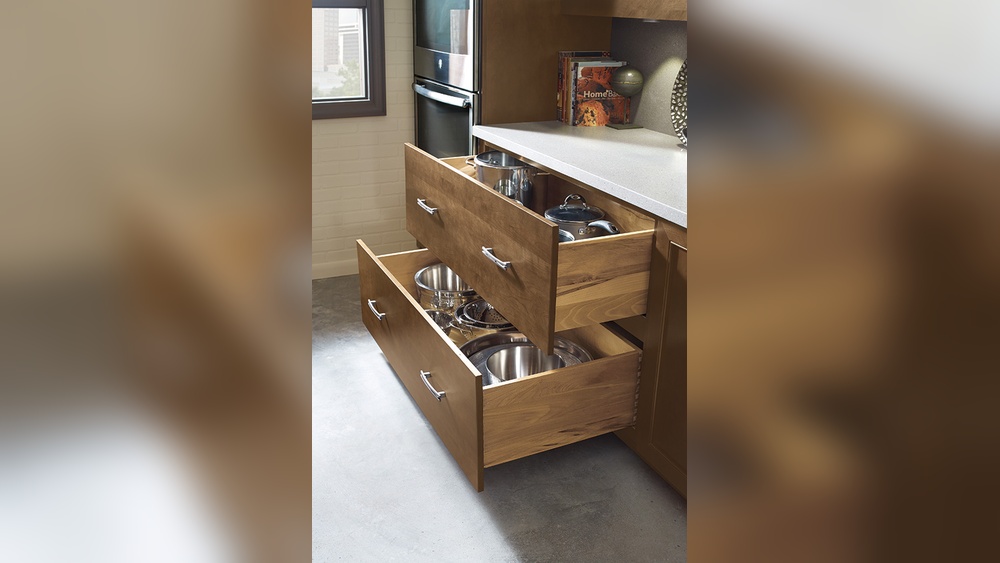
Have you ever wondered if your kitchen cabinets are deep enough to hold all your essentials? Choosing the right cabinet depth can make a huge difference in how organized and functional your kitchen feels.
Whether you’re remodeling or just curious, understanding cabinet depth helps you maximize space and avoid clutter. Keep reading to discover the ideal kitchen cabinet depths that fit your needs perfectly—and transform your cooking space into a more efficient, enjoyable place.
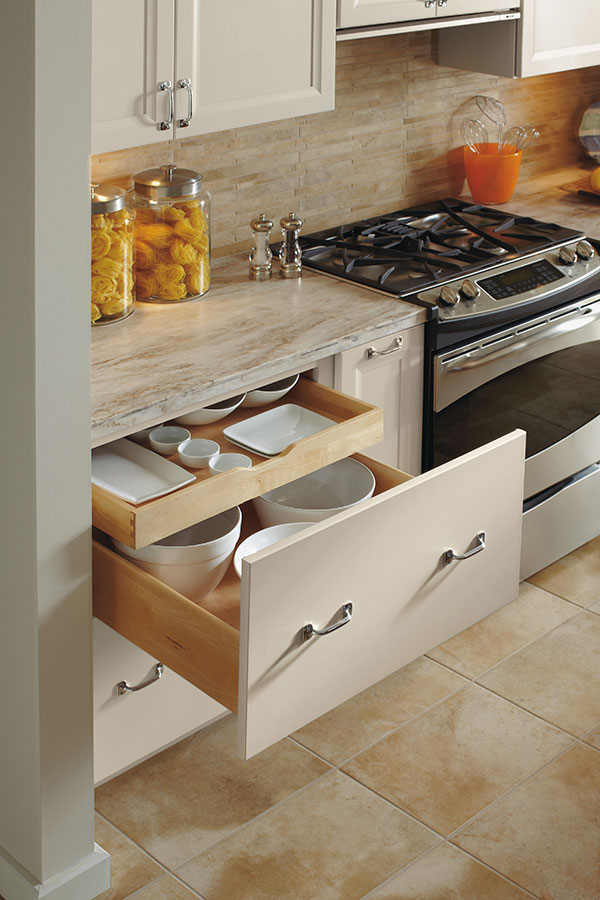
Credit: www.omegacabinetry.com
Standard Kitchen Cabinet Depths
Standard kitchen cabinet depths help keep kitchens organized and functional. Knowing these depths makes planning easier. Cabinets come in three main types: base, wall, and tall cabinets. Each has its own typical size to fit common kitchen needs.
This guide explains the usual depths of each cabinet type. It helps you understand how much space each cabinet takes. This knowledge is useful for designing or remodeling your kitchen.
Base Cabinet Dimensions
Base cabinets usually have a depth of 24 inches. This size allows enough countertop space. It also fits most kitchen appliances below the counter. The height is often 34.5 inches without the countertop. This size makes it easy to work in the kitchen.
Wall Cabinet Sizes
Wall cabinets are typically 12 inches deep. This depth keeps the kitchen open and easy to move around. Their height varies from 30 to 42 inches. These cabinets provide storage without blocking sightlines.
Tall Cabinet Measurements
Tall cabinets, also called pantry cabinets, are usually 24 inches deep. Their height can range from 84 to 96 inches. They offer a lot of storage space for larger items and pantry goods. Tall cabinets help keep kitchens neat and organized.
:max_bytes(150000):strip_icc()/guide-to-common-kitchen-cabinet-sizes-1822029-base-6d525c9a7eac49728640e040d1f90fd1.png)
Credit: www.thespruce.com
Factors Affecting Cabinet Depth
Kitchen cabinet depth varies depending on several key factors. These factors shape the size and usability of your cabinets. Understanding them helps in choosing the right depth for your kitchen.
Kitchen Layout And Space
The kitchen layout greatly affects cabinet depth. Small kitchens need shallower cabinets to save space. Larger kitchens can handle deeper cabinets for more storage. The space between cabinets and counters also matters. Enough walking room is important for comfort and safety.
Appliance Integration
Appliances like refrigerators and ovens influence cabinet depth. Cabinets near appliances must fit without blocking doors. Some appliances require custom cabinet sizes. Proper depth ensures smooth appliance use and a neat look.
Storage Needs
Storage needs decide how deep cabinets should be. More storage means deeper cabinets to hold large items. Shallow cabinets work well for small tools and dishes. Organizing items properly helps maximize space inside cabinets.
Custom Cabinet Depth Options
Custom cabinet depth options offer flexibility in kitchen design. They help fit cabinets perfectly in any space. Standard cabinets may not suit all kitchens. Custom depths allow tailoring to specific needs. This creates a balanced look and better use of space.
Benefits Of Custom Depths
Custom depths improve kitchen function and style. They provide more storage where needed. Cabinets can avoid blocking walkways or appliances. Custom sizes make kitchens look less crowded. They also match unique kitchen layouts better.
Common Custom Depths
Standard base cabinets are usually 24 inches deep. Custom depths range from 12 to 30 inches. Wall cabinets often vary between 12 and 24 inches deep. Shallow cabinets work well for small spaces. Deeper cabinets hold large pots and pans.
Cost Considerations
Custom cabinets often cost more than standard ones. Extra work and materials increase the price. Small changes in depth may add little extra cost. Large custom sizes can affect total budget. Plan carefully to balance cost and needs.
Maximizing Storage With Cabinet Depth
Kitchen cabinet depth plays a big role in how much you can store and how easy it is to reach items. Choosing the right depth helps keep your kitchen neat and organized. It also makes your cooking space more efficient and pleasant.
Deep Cabinets For Bulk Storage
Deep cabinets offer plenty of space for large pots and pans. They work well for storing bulk food items like rice bags or canned goods. These cabinets reduce clutter on countertops by holding more inside. Use deep cabinets for items you don’t need every day.
Shallow Cabinets For Accessibility
Shallow cabinets keep everyday items easy to reach. They prevent items from getting lost in the back. These cabinets are perfect for plates, cups, and spices. Shallow depth helps maintain a clear view of what you have.
Adjustable Shelving Solutions
Adjustable shelves make cabinet space flexible for different needs. Move shelves up or down to fit tall or short items. This customization improves storage and keeps your kitchen tidy. Adjustable shelving works well in both deep and shallow cabinets.
Design Tips For Perfect Cabinet Depth
Choosing the right depth for kitchen cabinets affects both look and use. Cabinets that are too deep or too shallow can cause problems. Design tips help you find the perfect balance. Consider how you use your kitchen and what you want it to look like.
These tips focus on combining function and style for deep cabinets. Think about hardware and lighting to make your kitchen comfortable and beautiful.
Balancing Function And Aesthetics
Cabinet depth affects storage and kitchen space. Deep cabinets hold more but may crowd the room. Shallow cabinets keep the kitchen open but store less. Choose a depth that fits your needs and space size. Keep pathways clear to move freely. Match cabinet depth with your countertop for a clean look.
Choosing Hardware For Deep Cabinets
Deep cabinets need strong handles and pulls. Choose hardware that is easy to grip and use. Long handles help open wide doors smoothly. Soft-close hinges stop slamming and protect cabinets. Hardware style should match your kitchen theme for a unified look.
Lighting And Visibility
Deep cabinets can make it hard to see items inside. Use LED strip lights under shelves to brighten the space. Inside cabinet lights help find things quickly. Good lighting makes your kitchen safer and easier to use. Place lights where shadows block view the most.
Measuring And Planning Cabinet Depth
Measuring and planning kitchen cabinet depth is a key step in kitchen design. It affects storage space and the overall look. Proper depth ensures cabinets fit well and hold your items safely. Taking accurate measurements helps avoid costly mistakes and saves time during installation.
Careful planning lets you choose cabinets that suit your kitchen size. It also makes sure appliances and countertops fit perfectly. Knowing standard depths and how to measure your space is essential for a smooth kitchen upgrade.
Tools Needed For Accurate Measurement
Start with a tape measure to get exact lengths. A level helps ensure straight lines and proper alignment. Use a pencil and paper to record your numbers clearly. A laser measure can speed up the process and improve accuracy. These simple tools make measuring cabinet depth easier and more precise.
Common Measurement Mistakes
One common mistake is measuring only the front of cabinets. Depth should be measured from the wall to the cabinet front. Forgetting to include handles or doors can cause fitting problems. Another error is not checking for obstructions like pipes or vents. Double-check your numbers to prevent surprises during installation.
Working With Professionals
Experts bring experience in measuring and planning cabinet depth. They spot potential issues you might miss. Professionals can suggest the best cabinet sizes for your kitchen layout. They help match cabinets with countertops and appliances. Hiring a pro can save time and reduce stress in your kitchen project.
Trends In Kitchen Cabinet Depth
Kitchen cabinet depth is changing with new design trends. Homeowners want cabinets that fit their space and style. Cabinets are getting deeper to hold more items. At the same time, designers find ways to save room without losing storage.
These trends focus on making kitchens both practical and beautiful. Depth plays a big role in how useful and stylish cabinets look. Let’s explore some popular trends in kitchen cabinet depth today.
Modern Deep Cabinets
Modern kitchens often use deeper cabinets than before. These cabinets can be 24 inches or more deep. They offer more space for pots, pans, and appliances. Deep cabinets reduce clutter on counters. They also create a sleek, clean look in the kitchen.
Designers pair deep cabinets with smart organization. Pull-out shelves and drawers make it easy to reach everything. This trend suits large kitchens or open layouts well. Deep cabinets help keep everything neat and within reach.
Space-saving Innovations
Space-saving ideas change how cabinet depth works. Some cabinets have adjustable depths or slim profiles. These designs fit smaller kitchens or tight areas. Corner cabinets use rotating shelves to use every inch. Wall cabinets may be shallower to free up room.
These innovations balance depth with space needs. They let kitchens feel open but still store many items. Space-saving designs help small homes stay organized and stylish.
Eco-friendly Materials
Eco-friendly materials influence cabinet depth choices too. Sustainable woods and recycled materials often guide design. These materials can affect how cabinets are built and sized. Thinner panels or lightweight boards reduce waste and weight.
Eco-friendly cabinets may use less depth to save resources. They focus on quality, not just size. These choices support green living while keeping kitchens functional.

Credit: erinzubotdesign.com
Frequently Asked Questions
What Is The Standard Depth Of Kitchen Cabinets?
The standard depth for base kitchen cabinets is 24 inches. Wall cabinets usually have a depth of 12 inches. These sizes provide ample storage while maintaining kitchen functionality and workspace.
How Deep Should Kitchen Cabinets Be For Small Kitchens?
In small kitchens, base cabinets can be 18 to 21 inches deep. Shallower cabinets save space and improve movement without sacrificing storage capacity.
Are Kitchen Cabinet Depths Customizable?
Yes, kitchen cabinet depths can be customized. Many manufacturers offer options to fit specific kitchen layouts and personal preferences, enhancing storage and accessibility.
How Does Cabinet Depth Affect Kitchen Functionality?
Cabinet depth impacts storage capacity and workspace. Deeper cabinets hold more items but may reduce countertop space and accessibility, so balance is key.
Conclusion
Kitchen cabinet depth affects storage and kitchen design. Standard depths range from 12 to 24 inches. Choosing the right depth helps keep your kitchen organized. Shallow cabinets save space but hold less. Deeper cabinets store bigger items but need more room.
Think about what you store most often. Measure your kitchen space before deciding. The right cabinet depth makes cooking easier and more fun. Simple planning leads to a practical and neat kitchen. Small changes can improve your daily kitchen use.

As the chief content writer, Hassan Al Sarker works as a professional kitchen-based content creator at Kitchen Liker.
In addition to reviewing the content published on Kitchen Liker, he ensures that it is accurate, relevant, and helpful. As a result, all the reviews and information published at Kitchen Liker are neutral and userfriendly.
Hassan Al Sarker has a bachelor’s degree in Hotel and Tourism Management From the Newyork University. Before joining Kitchen Liker, he was a contributor at Kitchen Club, United States.