
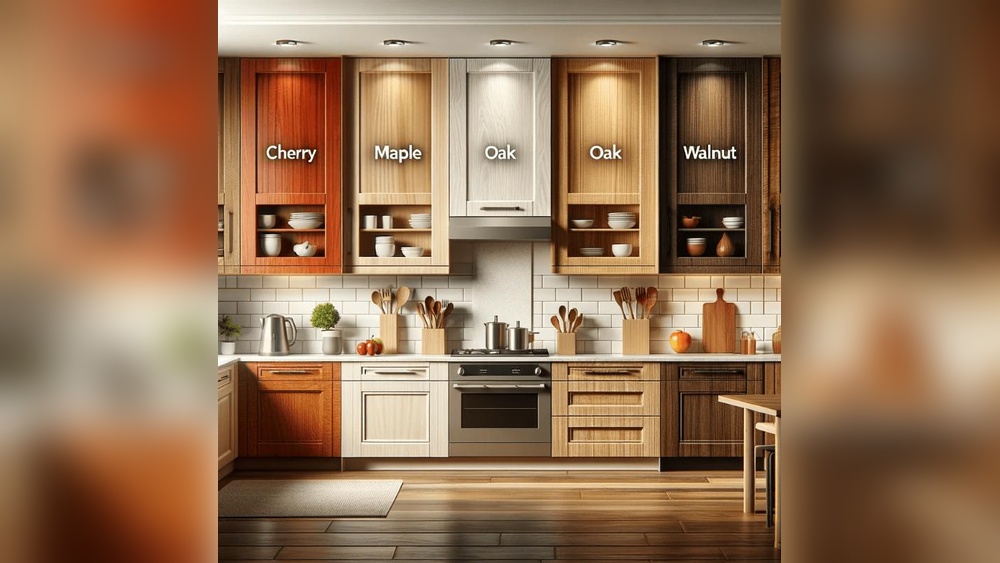
Choosing the right wood for your kitchen cabinets can feel overwhelming. You want something that looks great but also stands up to daily wear and tear.
Imagine cabinets that stay beautiful year after year, resisting scratches, dents, and moisture. What if you could pick the most durable wood that keeps your kitchen looking fresh, no matter how busy life gets? You’ll discover exactly which wood types offer the best strength and longevity for your kitchen cabinets.
Keep reading to find out how to make a smart choice that protects your investment and enhances your home.

Credit: currentcab.com
Top Durable Wood Types
Choosing the right wood for kitchen cabinets matters a lot. Durable wood lasts longer and resists dents and scratches. It keeps your kitchen looking great for years. This section explains the best wood types for strong and lasting cabinets.
Each wood has unique features. Some are very hard, others are softer but still strong. Understanding the difference helps pick the perfect wood for your kitchen.
Hardwoods Vs Softwoods
Hardwoods come from trees that lose leaves every year. They are usually denser and tougher. Softwoods come from trees that keep leaves or needles all year. Softwoods are lighter and easier to cut but less durable. For kitchen cabinets, hardwoods are the better choice. They resist damage and wear much better.
Oak
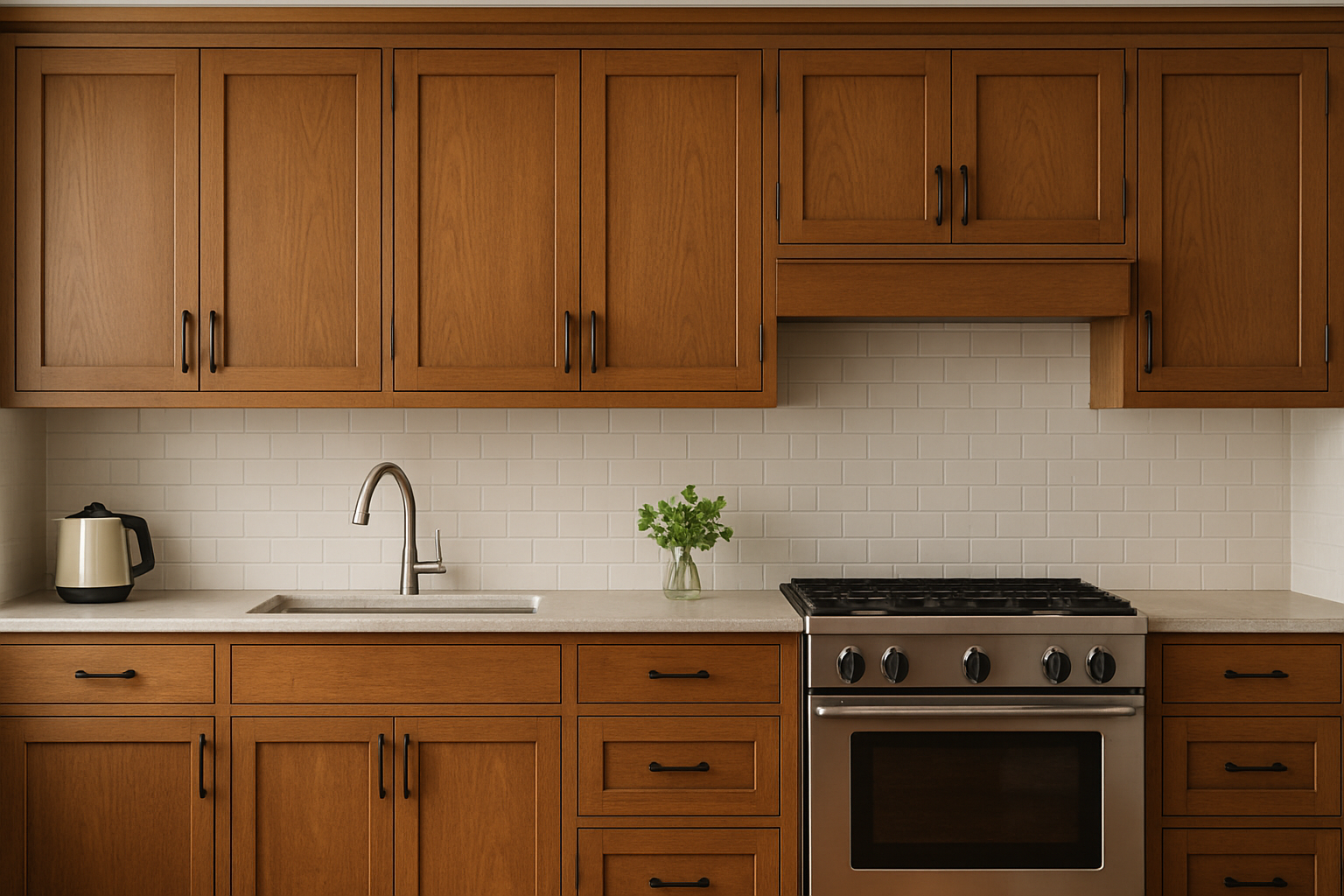
Oak is a popular hardwood for kitchen cabinets. It is strong and has a beautiful grain pattern. Oak cabinets can handle moisture and heat well. This wood ages nicely and can be stained easily. Oak offers a classic look and excellent durability.
Maple
Maple is a hard and smooth wood. It is less porous than oak, so it resists stains better. Maple has a fine grain that gives a clean, modern look. It is tough and holds up well in busy kitchens. Maple is a great choice for a sleek cabinet style.
Cherry
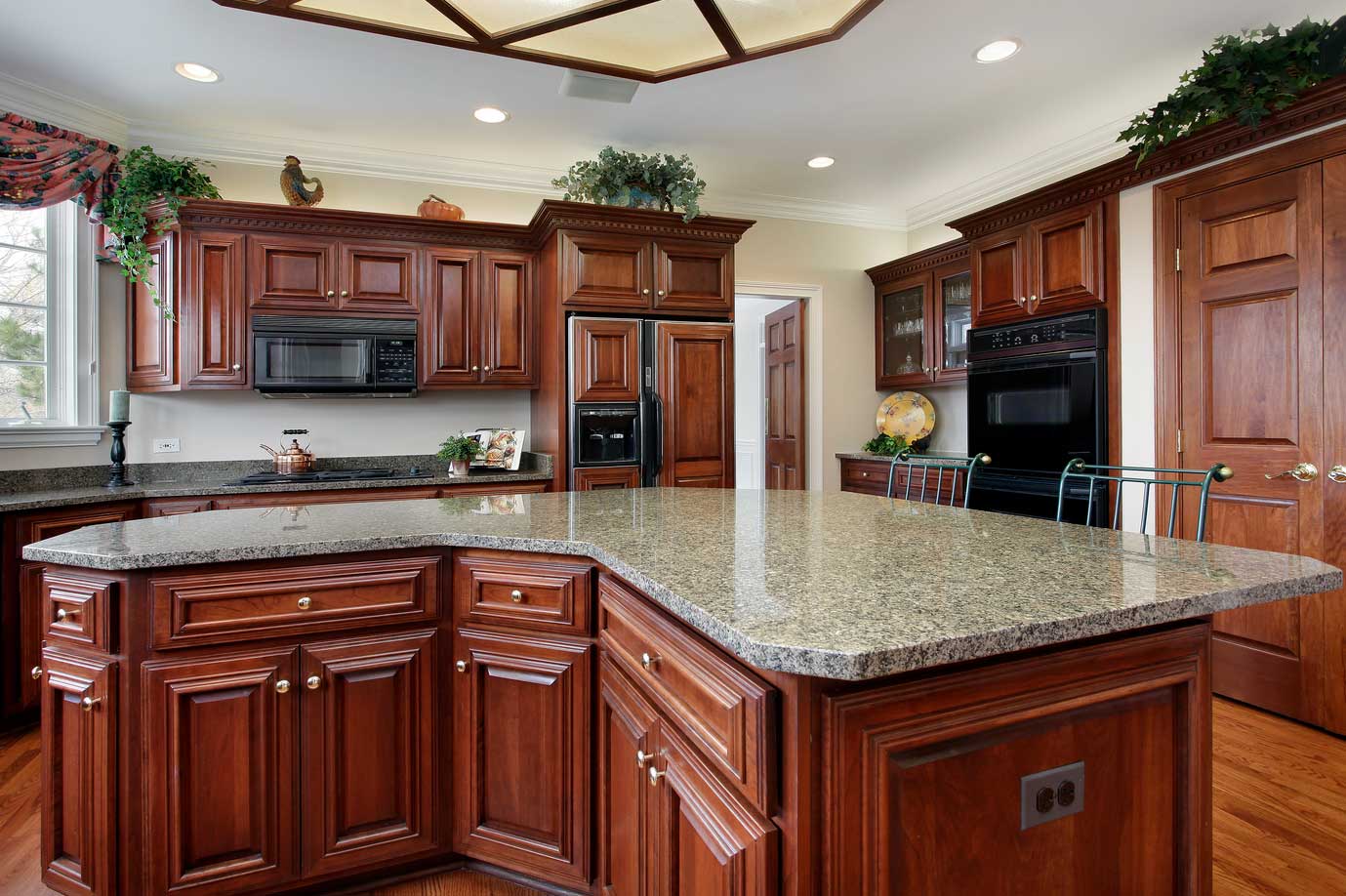
Cherry wood is strong and ages with a warm, rich color. It is softer than oak and maple but still very durable. Cherry darkens over time, adding character to your kitchen. It has a smooth texture and a natural shine that many people love.
Hickory
Hickory is one of the hardest domestic woods available. It has a unique grain with color variations. Hickory cabinets are tough and resist dents well. This wood gives a rustic, natural look to kitchens. It is perfect for those who want durability and style.
Walnut
Walnut is a strong hardwood with a deep, rich color. It is smooth and easy to work with. Walnut cabinets add elegance and last long in any kitchen. This wood resists warping and holds finishes well. Walnut is ideal for a high-end, durable kitchen design.
Factors Affecting Durability
Choosing the most durable wood for kitchen cabinets means understanding what makes wood strong and long-lasting. Several factors affect wood’s durability. These include how hard the wood is, its grain patterns, and its ability to resist moisture and damage. Each factor plays a key role in how well the cabinets hold up over time.
Wood Hardness
Wood hardness measures how tough the wood is. Harder woods resist dents and scratches better. The Janka hardness test shows how much force wood can take before it dents. Hardwoods like oak, maple, and hickory have high Janka ratings. These woods are great for kitchen cabinets that face heavy use.
Grain Patterns
Grain patterns affect the wood’s strength and look. Tight, straight grains usually mean stronger wood. They also help hide small scratches and dents. Woods with straight grain patterns like cherry and maple maintain their beauty longer. Grain patterns also influence how wood reacts to moisture changes.
Moisture Resistance
Kitchen cabinets face steam, spills, and humidity daily. Wood that absorbs less moisture lasts longer. Moisture can cause warping, swelling, and mold. Woods like teak and mahogany have natural oils that resist water. Proper finishing also helps protect wood from moisture damage.
Scratch And Dent Resistance
Scratch and dent resistance keeps cabinets looking new. Hard woods resist everyday bumps and scratches better. Some woods show marks less because of their grain and color. Maple and hickory are good choices for resisting dents. Protecting wood with sealants adds extra defense against damage.
Comparing Wood Durability Ratings
Choosing the right wood for kitchen cabinets depends on how durable the wood is. Durability means how well the wood can stand up to daily use, scratches, and dents. Comparing wood durability ratings helps you pick a wood that lasts longer and stays beautiful.
Janka Hardness Scale
The Janka Hardness Scale measures how hard wood is. It shows how much force wood needs to dent or scratch. Harder wood scores higher on this scale. For example, maple scores around 1450, while oak scores near 1360. Woods with higher Janka scores resist damage better. This scale helps compare woods fairly and clearly.
Impact On Cabinet Longevity
Durable wood means cabinets last longer without repairs. Hard woods resist dents from pots, pans, and daily use. Softer woods may show wear faster. Choosing wood with good durability lowers the chance of damage. Stronger wood means less need for replacement or fixing. This saves money and keeps kitchens looking fresh.
Credit: www.cabinetnow.com
Maintenance Tips For Longevity
Keeping kitchen cabinets durable requires regular care. Proper maintenance helps wood stay strong and look great for years. Small daily habits protect your investment and keep cabinets fresh. These tips focus on cleaning, avoiding water damage, and fixing wear.
Cleaning Practices
Clean cabinets often with a soft cloth. Use mild soap and water for dirt. Avoid harsh chemicals that harm wood finish. Wipe spills quickly to stop stains. Dust regularly to prevent buildup. Gentle cleaning keeps wood looking new.
Preventing Water Damage
Water harms wood by causing swelling and warping. Use a dry cloth to wipe wet spots fast. Avoid leaving sinks or counters wet near cabinets. Fix leaks under sinks right away. Use mats or trays to catch water spills. Keep cabinets dry to last longer.
Refinishing And Repairs
Scratches and dents can reduce cabinet beauty. Light sanding and new finish restore wood surface. Use wood filler for small holes or cracks. Regular checks help spot damage early. Repairing quickly stops problems from growing. Refinishing refreshes cabinets and extends life.
Budget Considerations
Choosing the right wood for kitchen cabinets means thinking about your budget. The cost of wood varies a lot. Some types cost more but last longer. Others are cheaper but may wear out fast. Balancing cost and durability helps you make a smart choice.
Cost Vs Durability
Hardwoods like oak and maple cost more upfront. They resist dents and scratches well. Softwoods are cheaper but can get damaged easily. Spending more now can save money later on repairs. Durable wood keeps cabinets looking good for years.
Value Of Investing In Quality Wood
Quality wood raises your kitchen’s value. It also saves money on replacements. Cabinets made from strong wood handle daily use better. Good wood needs less maintenance and repairs. This makes it a smart long-term investment.
Eco-friendly Wood Options
Choosing eco-friendly wood for kitchen cabinets helps protect the environment. These woods come from sources that do not harm forests. They offer durability and style while being kind to nature. Using eco-friendly wood reduces waste and lowers carbon footprints. It supports a healthier planet for future generations.
Sustainable Wood Sources
Sustainable wood comes from forests managed responsibly. Trees are replanted to replace those cut down. This process keeps forests healthy and full of life. Certified woods, like FSC or PEFC, guarantee sustainable practices. These woods are strong and last long in kitchens. They resist wear, making them a smart choice.
Reclaimed Wood Benefits
Reclaimed wood comes from old buildings or furniture. It gives new life to wood that might be wasted. This wood is often very strong and aged well. Using reclaimed wood cuts down on new tree harvesting. Each piece has a unique look and character. It adds charm and warmth to kitchen cabinets.
Finishing Techniques To Enhance Durability
Finishing techniques play a key role in making kitchen cabinets last longer. Proper finishing protects wood from water, stains, and daily wear. It also keeps cabinets looking fresh and new for years.
Choosing the right finish can improve the wood’s strength and resistance. This step is vital, especially in a busy kitchen environment. Let’s explore some common finishing methods that enhance cabinet durability.
Sealing And Varnishing
Sealing locks moisture out of the wood. It stops water from soaking in and causing damage. Sealers create a smooth surface for varnish to stick to.
Varnishing adds a hard, protective layer on top. It shields cabinets from scratches and heat. A good varnish also makes cleaning easier. Glossy varnishes reflect light and brighten the kitchen. Matte finishes hide fingerprints and smudges better.
Paint Vs Stain
Paint covers the wood completely. It hides natural wood grain but offers strong protection. Paint forms a thick barrier against spills and stains. It also allows for many color choices.
Stain soaks into the wood, enhancing its natural beauty. It protects without hiding the grain. Stains provide a more natural look and feel. They require a clear protective coat over them for durability.
Both paint and stain improve cabinet life. The choice depends on style and maintenance preferences.
Credit: highlandcabinetry.com
Choosing The Right Wood For Your Kitchen
Choosing the right wood for your kitchen cabinets is important. The wood affects how your kitchen looks and how long the cabinets last. Different woods offer different strengths, colors, and patterns. Picking the best wood helps your kitchen stay beautiful and strong for years.
Style And Aesthetic Preferences
Wood type changes the kitchen’s style. Some woods have light colors and smooth grains. Others are dark with strong textures. Choose wood that matches your kitchen’s overall design. Think about modern, classic, or rustic looks. The wood should fit your personal taste and the home’s style.
Matching Wood With Kitchen Use
Kitchens see a lot of activity. Cabinets face heat, moisture, and spills. Hardwoods like oak, maple, or cherry are very durable. They resist dents and scratches well. Softer woods may show damage faster. Match the wood strength to how often you use your kitchen. This choice helps keep cabinets looking new longer.
Frequently Asked Questions
What Wood Is Best For Durable Kitchen Cabinets?
Hardwoods like maple, oak, and hickory are best for durable kitchen cabinets. They resist dents and scratches well. Their density ensures long-lasting strength and beauty in busy kitchens.
How Does Wood Hardness Affect Cabinet Durability?
Harder woods resist wear and damage better, increasing cabinet lifespan. Softwoods dent easily and may warp over time. Choosing hardwood improves durability and maintains cabinet appearance longer.
Are Solid Wood Cabinets More Durable Than Plywood?
Solid wood cabinets are durable but can warp with moisture. Plywood cabinets combine strength with moisture resistance. High-quality plywood often outlasts solid wood in kitchen environments.
Which Wood Finish Enhances Cabinet Durability?
Polyurethane and varnish finishes protect cabinets from moisture and scratches. They create a hard, protective layer that extends wood life. Regular refinishing maintains durability and appearance.
Conclusion
Choosing the right wood makes kitchen cabinets last longer. Hardwoods like oak, maple, and cherry offer strong, durable options. They resist scratches, dents, and daily wear well. Pine and other softwoods may look nice but wear faster. Proper care also helps keep cabinets beautiful and functional.
Strong wood means less repair and replacement over time. Think about your style and budget before deciding. Durable wood protects your kitchen investment for years. A smart choice brings both beauty and strength to your home.

As the chief content writer, Hassan Al Sarker works as a professional kitchen-based content creator at Kitchen Liker.
In addition to reviewing the content published on Kitchen Liker, he ensures that it is accurate, relevant, and helpful. As a result, all the reviews and information published at Kitchen Liker are neutral and userfriendly.
Hassan Al Sarker has a bachelor’s degree in Hotel and Tourism Management From the Newyork University. Before joining Kitchen Liker, he was a contributor at Kitchen Club, United States.