
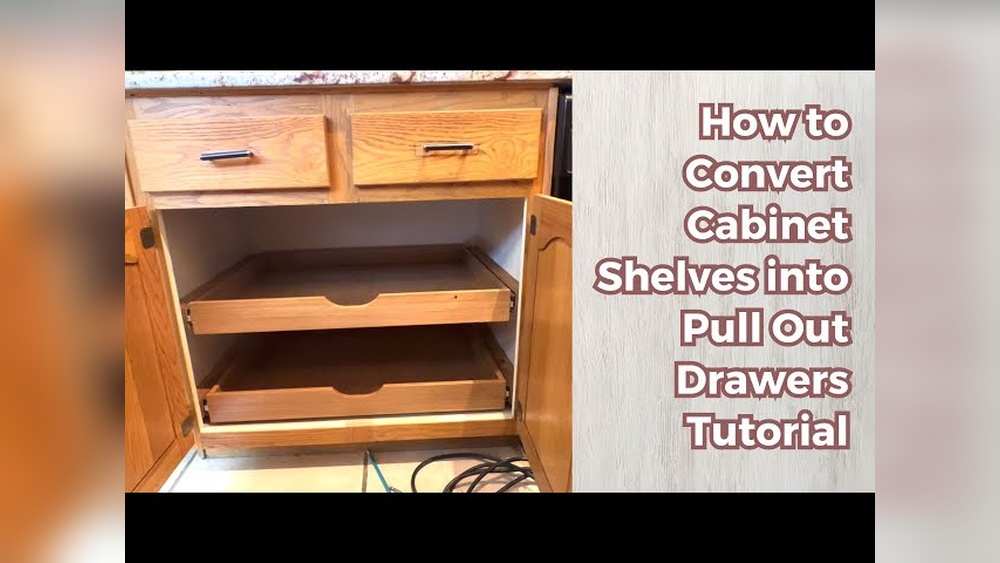
Are you tired of digging through cluttered kitchen cabinets to find what you need? Adding pull out drawers can transform your kitchen, making it easier to access pots, pans, and pantry items without the hassle.
Imagine opening your cabinets and having everything slide out smoothly, right at your fingertips. In this guide, you’ll discover simple, step-by-step tips to install pull out drawers yourself, saving time and frustration every day. Keep reading to unlock the secret to a more organized and efficient kitchen space.
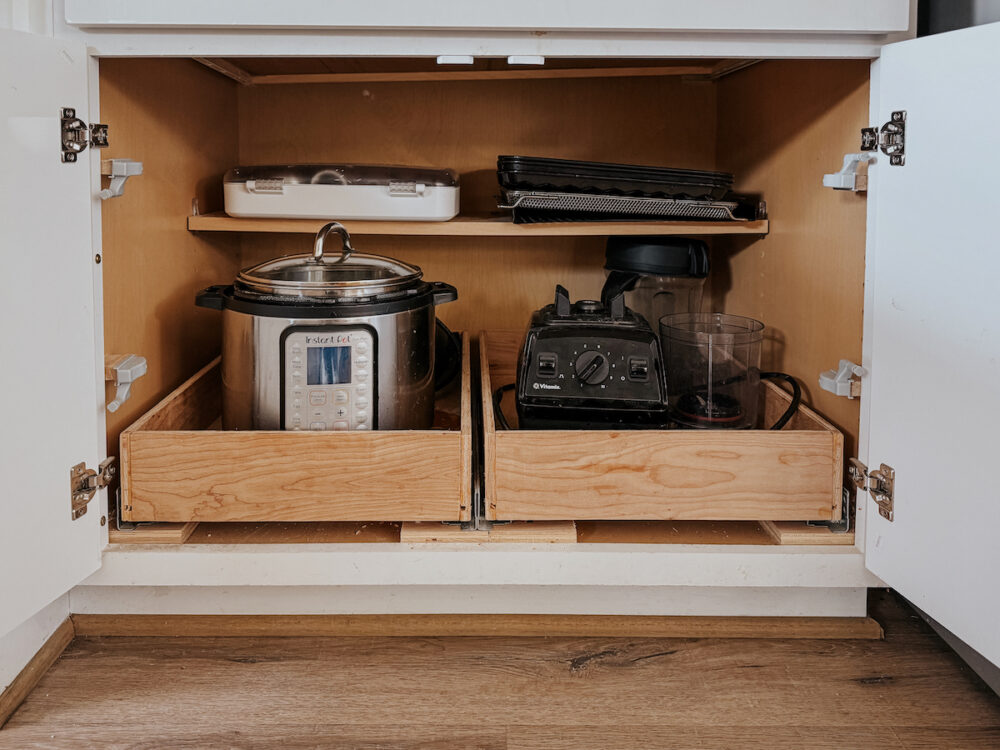
Credit: www.loveandrenovations.com
Benefits Of Pull Out Drawers
Pull out drawers bring many advantages to kitchen cabinets. They improve how you use space and keep your kitchen tidy. These drawers make daily tasks easier and faster. Many homeowners choose them for their practicality and convenience.
Maximizing Storage Space
Pull out drawers use cabinet space fully. They slide out to show every corner inside. This stops items from getting lost in the back. You can store more pots, pans, and utensils neatly. It helps keep counters clear and kitchens less crowded.
Improving Accessibility
These drawers make reaching items simple and quick. No need to bend or stretch deeply into cabinets. Everything is visible and easy to grab. This is especially helpful for people with limited mobility. It saves time and effort during cooking and cleaning.
Enhancing Kitchen Organization
Pull out drawers help separate kitchen tools and ingredients. You can assign different drawers for spices, dishes, or cleaning supplies. This keeps everything in its place and easy to find. A well-organized kitchen feels calm and works smoothly.
Tools And Materials Needed
Adding pull out drawers to your kitchen cabinets can improve storage and make your kitchen more functional. Before starting the installation, gather all necessary tools and materials. Having everything ready helps the process go smoothly and saves time.
Essential Tools
- Measuring tape for accurate dimensions
- Power drill with drill bits
- Screwdriver, preferably both flathead and Phillips
- Level to ensure drawers slide evenly
- Pencil for marking measurements
- Clamps to hold parts in place
- Safety glasses and gloves for protection
Recommended Drawer Slides
- Full-extension ball bearing slides for smooth operation
- Side-mount slides for easy installation
- Soft-close slides to prevent slamming
- Choose slides based on drawer weight capacity
Additional Materials
- Wood screws matching your cabinet material
- Wood glue for extra strength
- Sandpaper to smooth edges
- Drawer boxes or pre-made drawers
- Cabinet liners for drawer interiors
Measuring Your Cabinets
Measuring your kitchen cabinets is the first step to adding pull out drawers. Accurate measurements ensure the drawers fit well and work smoothly. Take your time and use the right tools for the job. Measure twice to avoid mistakes and save time later.
Checking Cabinet Dimensions
Start by measuring the width, height, and depth of your cabinet. Use a tape measure and write down each number. Measure inside the cabinet, not the outside. Check for uneven walls or surfaces that might affect fitting. Note the smallest width and height to ensure the drawer fits perfectly.
Selecting Drawer Size
Choose a drawer size that fits inside the cabinet space. Leave a small gap on all sides for easy movement. This gap is usually about half an inch. Remember, the drawer cannot be wider or taller than the cabinet’s inside space. Pick a size that suits your storage needs and cabinet shape.
Accounting For Obstructions
Look for any pipes, hinges, or shelves inside the cabinet. These can block drawer installation or reduce space. Measure the distance from these obstructions to the cabinet walls. Plan your drawer size and slide placement to avoid these obstacles. Make sure the drawer can open fully without hitting anything.
Choosing The Right Drawer Slides
Choosing the right drawer slides is important for smooth operation and durability. The right slides make your pull out drawers easy to open and close. They also support the weight of the items inside. Picking the wrong slides can cause drawers to stick or fail.
Types Of Slides
There are three main types of drawer slides: side-mount, under-mount, and center-mount. Side-mount slides attach to the sides of the drawer and cabinet. They are common and easy to install. Under-mount slides sit under the drawer and are hidden. They give a cleaner look and quiet operation. Center-mount slides attach under the drawer in the middle. They are less common and support less weight.
Weight Capacity
Check the weight capacity before buying slides. Choose slides that can hold more than the drawer’s contents. Light-duty slides hold up to 50 pounds. Medium-duty slides support 50 to 100 pounds. Heavy-duty slides hold over 100 pounds. Using slides with the right weight rating prevents damage and keeps drawers working well.
Installation Compatibility
Make sure the slides fit your cabinet and drawer size. Measure the drawer depth and width accurately. Some slides need a certain clearance space. Verify mounting options and screw positions. Some slides require drilling new holes. Choose slides that match your cabinet style and installation skills. This saves time and effort during installation.
Removing Cabinet Doors And Shelves
Removing cabinet doors and shelves is the first step to add pull out drawers. It clears space inside your cabinets. This makes installation easier and more accurate. Take your time with this task. Proper removal avoids damage to your cabinets.
Safety Precautions
Wear safety gloves to protect your hands. Use safety goggles to shield your eyes from dust. Work in a well-lit area for better visibility. Keep tools organized and within reach. Avoid loose clothing that might get caught on tools.
Detaching Doors
Open the cabinet doors fully before starting. Use a screwdriver to remove the screws from hinges. Keep screws in a small container to avoid loss. Gently pull the doors away from the frame. Place doors on a soft surface to prevent scratches.
Clearing Interior Space
Take out all shelves from the cabinet. Lift shelves carefully to avoid damage. Store shelves safely for reinstallation later. Clean the inside of cabinets to remove dust. Ensure the cabinet interior is empty and ready.
Installing Drawer Boxes
Adding pull-out drawers in kitchen cabinets improves storage and access. Measure the cabinet space carefully before installing drawer boxes. Secure the slides and fit the drawer for smooth operation.
Assembling Drawer Components
Start by gathering all drawer parts: sides, front, back, and bottom. Check each piece for damage or defects. Fit the sides to the front and back pieces. Use screws or nails to join them securely. Keep the edges flush for a neat look. Avoid gaps between parts to ensure strength. A square frame makes the drawer work smoothly.
Securing Drawer Bottoms
Slide the bottom panel into the grooves or place it inside the frame. The bottom should fit tightly without gaps. Use small nails or screws to fix the bottom in place. This step adds stability to the drawer box. Make sure the bottom is level and flat. A strong base prevents sagging under heavy loads.
Preparing For Slide Attachment
Mark the spots for drawer slides on the drawer sides and cabinet walls. Measure carefully to align the slides evenly. Attach the slides to the drawer first using screws. Then, fix the matching slides inside the cabinet. Check the slides move smoothly before final tightening. Proper slide placement ensures easy drawer operation.
Mounting Drawer Slides
Mounting drawer slides is a key step to add pull out drawers in kitchen cabinets. Proper slide installation ensures smooth drawer movement. It also keeps drawers sturdy and aligned. Follow these steps carefully for best results.
Marking Slide Positions
Start by measuring the inside height of the cabinet. Mark the position where the slide will attach. Use a pencil to draw a straight line on both sides. Make sure the marks are level and even. This helps the drawer slide straight without sticking.
Attaching Slides To Cabinet
Place the slide on the marked line inside the cabinet. Align it so the front edge matches the cabinet opening. Use screws to fasten the slide securely. Check that the slide is straight before tightening screws fully. Repeat this step for the other side of the cabinet.
Fixing Slides To Drawer Boxes
Next, attach the matching part of the slide to the drawer box. Line it up with the bottom edge of the drawer. Use screws to secure the slide to the box. Make sure the slide is flush with the drawer edge. This allows the drawer to slide in and out easily.

Credit: smallstuffcounts.com
Inserting And Testing Drawers
Inserting and testing pull out drawers is a key step in upgrading your kitchen cabinets. This process ensures the drawers fit well and slide smoothly. Careful checking prevents future problems and saves time. Follow the steps below to insert your drawers correctly and test their movement.
Aligning Drawers With Slides
Start by lining up the drawer with the metal slides inside the cabinet. Make sure the slides on the drawer match the cabinet slides exactly. Hold the drawer steady and push it straight in. Avoid tilting it, which can cause damage or misalignment. Check if the drawer fits evenly on both sides before moving to the next step.
Ensuring Smooth Movement
Once inserted, pull the drawer out slowly to test its glide. The drawer should move without sticking or wobbling. Push it back gently and listen for any unusual sounds. Smooth movement means the slides are properly installed and aligned. If the drawer feels rough, it may need adjustment or lubrication.
Adjusting For Fit
Check the drawer gaps around the edges. They should be even and consistent. Use a screwdriver to tighten or loosen the slide screws if needed. Small changes can improve the fit and function. Test the drawer again after each adjustment. Repeat until the drawer slides perfectly and fits well within the cabinet space.
Finishing Touches
Finishing touches make your pull out drawers look complete and polished. These final steps improve both style and function. Careful attention here ensures your kitchen feels fresh and organized.
Adding Handles Or Knobs
Choose handles or knobs that match your kitchen style. Measure carefully to place them evenly on each drawer. Screw them in tightly for a secure hold. Handles make it easier to open your pull out drawers smoothly.
Painting Or Staining
Apply paint or stain to match your cabinets. Use thin coats for an even finish. Let each coat dry fully before adding another. Paint protects wood and adds color, while stain highlights natural grain.
Final Inspection
Check all drawers for smooth sliding. Test handles or knobs to ensure they stay firm. Look for paint drips or uneven spots. Fix any small issues before you finish. Your pull out drawers should work perfectly and look neat.

Credit: www.youtube.com
Troubleshooting Common Issues
Adding pull out drawers to kitchen cabinets can improve storage and convenience. Sometimes, issues arise during installation or use. Fixing these problems quickly keeps your kitchen functional.
Drawer Misalignment
Misaligned drawers do not open or close smoothly. Check if the drawer is level and straight. Adjust the mounting brackets or slides to fix alignment. Tighten all screws securely. Make sure the drawer fits evenly inside the cabinet frame.
Slide Binding Problems
Slide binding means the drawer sticks or jams when pulled. Dirt or debris can cause this issue. Clean the slides with a dry cloth. Lubricate them with a silicone spray for smooth movement. Avoid using heavy oil, which can attract dust. Ensure slides are properly attached without gaps or bends.
Weight Limit Concerns
Overloading pull out drawers can cause damage or poor function. Check the manufacturer’s weight limits before loading. Distribute heavy items evenly across the drawer base. Use the drawers for lighter kitchen items to avoid strain. Reinforce slides if you must store heavier objects.
Frequently Asked Questions
What Tools Are Needed To Install Pull Out Drawers?
You need a drill, screwdriver, measuring tape, level, and mounting brackets. These tools ensure precise and secure installation of pull out drawers in cabinets.
How Do Pull Out Drawers Improve Kitchen Organization?
Pull out drawers maximize space and allow easy access to items. They reduce clutter and make kitchen essentials more visible and reachable.
Can I Install Pull Out Drawers In Existing Cabinets?
Yes, pull out drawers can be retrofitted into most existing cabinets. Proper measurements and compatible hardware are key for a successful installation.
How Much Does Adding Pull Out Drawers Typically Cost?
The cost varies by drawer size and materials but usually ranges from $50 to $200 per drawer. DIY installation can reduce expenses.
Conclusion
Adding pull out drawers makes kitchen cabinets more useful and neat. It saves time by keeping things easy to reach. The steps are simple and can fit most cabinets. A few tools and some patience are all you need. This small change brings big help every day.
Try it and enjoy a tidier kitchen space.

As the chief content writer, Hassan Al Sarker works as a professional kitchen-based content creator at Kitchen Liker.
In addition to reviewing the content published on Kitchen Liker, he ensures that it is accurate, relevant, and helpful. As a result, all the reviews and information published at Kitchen Liker are neutral and userfriendly.
Hassan Al Sarker has a bachelor’s degree in Hotel and Tourism Management From the Newyork University. Before joining Kitchen Liker, he was a contributor at Kitchen Club, United States.