
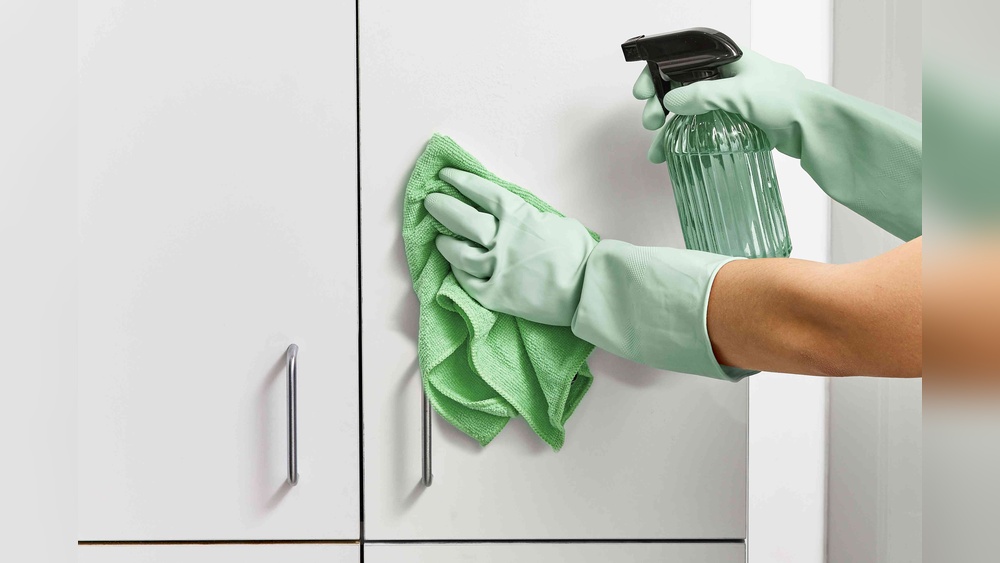
Are your laminate kitchen cabinets looking dull or sticky? You might think cleaning them is a hassle, but it doesn’t have to be.
With the right methods, you can make your cabinets shine like new without spending hours or using harsh chemicals. In this guide, you’ll discover simple, effective steps to clean your laminate kitchen cabinets quickly and safely. Keep reading to unlock easy tips that will refresh your kitchen and make your cabinets a true highlight of your home.
:max_bytes(150000):strip_icc()/SPR-how-to-clean-laminate-cabinets-8779582-01-e84b034ceac6486dac82b3bd574928e9.jpg)
Credit: www.thespruce.com
Choosing The Right Cleaning Supplies
Choosing the right cleaning supplies is key to keeping laminate kitchen cabinets looking great. The wrong products can damage the surface or leave sticky residue. A gentle approach protects the finish and makes cleaning easier. Simple supplies work best and save time. Focus on safe cleaners and the right tools for the job.
Safe Cleaners For Laminate
Use mild soap mixed with warm water for everyday cleaning. Avoid bleach or strong chemicals. These can cause discoloration or peeling. A vinegar and water mix also works well but test on a small area first. Do not use abrasive cleaners or scrub pads. They can scratch the surface. Choose products labeled safe for laminate or wood surfaces.
Tools You’ll Need
Soft cloths or microfiber towels clean without scratching. Use a sponge for wiping spills gently. A soft-bristled brush helps remove dirt from grooves. Avoid steel wool or rough scrubbing pads. A spray bottle can hold homemade cleaner mixtures. Paper towels are fine but can leave lint behind. Have a dry cloth ready for drying and polishing.

Credit: www.youtube.com
Preparing Cabinets For Cleaning
Preparing your laminate kitchen cabinets before cleaning is important. This step helps remove dirt and prevents damage during cleaning. Taking time to prep cabinets makes the cleaning easier and more effective.
Removing Items And Dusting
Start by taking out all items from the cabinets. Empty shelves and drawers fully. This clears the way to clean every surface.
Use a soft cloth or duster to remove dust and crumbs. Dust can scratch the laminate if left during wet cleaning. Make sure to reach corners and edges for a thorough dusting.
Spot Testing Cleaners
Before applying any cleaner, test it on a small hidden spot. This prevents damage or discoloration to the laminate.
Apply a small amount of cleaner and wait a few minutes. Check if the surface changes color or texture. If safe, proceed with cleaning the whole cabinet.
Daily Cleaning Routine
Keeping laminate kitchen cabinets clean every day helps them stay fresh and bright. A simple daily cleaning routine stops dirt and grease from building up. It also keeps your kitchen looking neat and welcoming.
Wiping Down Surfaces
Start by wiping the cabinet doors and handles with a soft cloth. Use warm water and a mild detergent to remove dust and spills. Avoid soaking the cabinets with water. Dry each surface with a clean cloth to prevent water damage. This quick step keeps your cabinets looking good daily.
Handling Fingerprints And Smudges
Fingerprints and smudges are common on laminate cabinets. Use a damp microfiber cloth to gently clean these marks. For tougher spots, mix a small amount of dish soap with water. Rub lightly and then wipe dry. This method keeps cabinets clean without harming the finish.
Deep Cleaning Techniques
Deep cleaning laminate kitchen cabinets removes tough dirt and grime. It helps keep your cabinets looking fresh and new. Regular cleaning may not remove all stubborn stains or buildup. This section shows effective ways to clean deeply without damaging the surface.
Tackling Grease And Stains
Grease builds up on cabinets near the stove. Use warm water mixed with mild dish soap. Dip a soft cloth in the solution and wipe the cabinets. For tough stains, add a little baking soda to the cloth. Gently scrub the stained area in circles. Avoid using harsh scrubbing pads to prevent scratches. Wipe off with a clean, damp cloth. Dry the surface with a soft towel to avoid water marks.
Dealing With Mold And Mildew
Mold and mildew appear in damp kitchen spots. Mix equal parts of white vinegar and water in a spray bottle. Spray the affected area lightly and let it sit for 10 minutes. Use a soft cloth to wipe away the mold. For stubborn mildew, use a toothbrush to scrub gently. Rinse with a damp cloth and dry thoroughly. Good ventilation helps prevent mold from returning.
Maintaining Cabinet Finish
Maintaining the finish on laminate kitchen cabinets keeps them looking fresh and new. The finish protects the surface from scratches, stains, and daily wear. Proper care helps extend the life of your cabinets. Small habits make a big difference in preserving their shine and color.
Avoiding Water Damage
Water can harm the finish on laminate cabinets. Avoid letting water sit on the surface for long. Wipe up spills immediately using a soft, dry cloth. Use a damp cloth for cleaning, then dry the area right away. Keep sinks and countertops dry to prevent moisture from reaching the cabinets. Excess water causes swelling and peeling of the laminate.
Polishing Tips
Polishing laminate cabinets boosts their shine and protects the finish. Use a polish made for laminate or mild furniture polish. Apply a small amount on a soft cloth. Rub gently in circular motions to avoid scratches. Avoid wax-based or abrasive cleaners that damage the finish. Polishing once a month keeps cabinets looking smooth and bright.
Common Mistakes To Avoid
Cleaning laminate kitchen cabinets might seem easy. Yet, many make mistakes that can damage the surface. Avoiding these errors helps keep cabinets looking fresh and new. Below are some common mistakes to watch out for during cleaning.
Harsh Chemicals To Skip
Strong chemicals can ruin laminate finishes. Bleach, ammonia, and abrasive cleaners strip away the protective layer. They cause discoloration and dullness. Choose gentle cleaners like mild soap and water instead. Avoid products with harsh acids or alkalis. These harm the cabinet surface and reduce its lifespan.
Wrong Tools And Methods
Using rough tools scratches laminate surfaces easily. Steel wool, scrub brushes, and rough sponges are too harsh. Soft cloths or microfiber towels work best. Wiping gently removes dirt without damage. Avoid soaking cabinets with water. Excess moisture can cause swelling or warping.

Credit: www.youtube.com
Frequently Asked Questions
How Often Should I Clean Laminate Kitchen Cabinets?
Clean laminate kitchen cabinets weekly to prevent dirt buildup. Wipe spills immediately to avoid stains. Regular cleaning keeps cabinets looking new and extends their lifespan.
What Is The Best Cleaner For Laminate Cabinets?
Use a mild detergent mixed with warm water. Avoid abrasive cleaners and bleach as they can damage laminate surfaces. A soft cloth or sponge works best for cleaning.
Can I Use Vinegar To Clean Laminate Cabinets?
Yes, dilute vinegar with water for a natural cleaner. Vinegar removes grease and grime effectively without harming laminate. Rinse with water afterward to prevent residue buildup.
How Do I Remove Tough Stains On Laminate Cabinets?
Use a baking soda paste for stubborn stains. Apply gently with a soft cloth and rinse thoroughly. Avoid scrubbing hard to prevent scratching the laminate surface.
Conclusion
Cleaning laminate kitchen cabinets keeps your kitchen fresh and neat. Use gentle cleaners and soft cloths to avoid damage. Regular wiping stops dirt and stains from building up. A little care goes a long way in keeping cabinets shiny. Follow simple steps, and your cabinets will look great for years.
A clean kitchen feels welcoming and makes cooking more enjoyable. Take time to clean often, and your space will always shine.

As the chief content writer, Hassan Al Sarker works as a professional kitchen-based content creator at Kitchen Liker.
In addition to reviewing the content published on Kitchen Liker, he ensures that it is accurate, relevant, and helpful. As a result, all the reviews and information published at Kitchen Liker are neutral and userfriendly.
Hassan Al Sarker has a bachelor’s degree in Hotel and Tourism Management From the Newyork University. Before joining Kitchen Liker, he was a contributor at Kitchen Club, United States.