
Are you worried about keeping your kitchen safe and organized? Knowing how to lock kitchen cabinets can give you peace of mind, especially if you have curious kids or want to protect valuable items.
Imagine never having to chase after little hands grabbing sharp knives or harmful cleaning supplies again. You’ll discover simple, effective ways to secure your cabinets without ruining your kitchen’s look. Keep reading to find easy solutions that fit your needs and keep your home safer today.

Credit: www.alzstore.com
Choosing The Right Lock
Choosing the right lock for kitchen cabinets is important for safety and convenience. The lock should fit your needs and cabinet type. Some locks work better for families with children. Others suit homes needing extra security. Understanding different lock types helps you make the best choice.
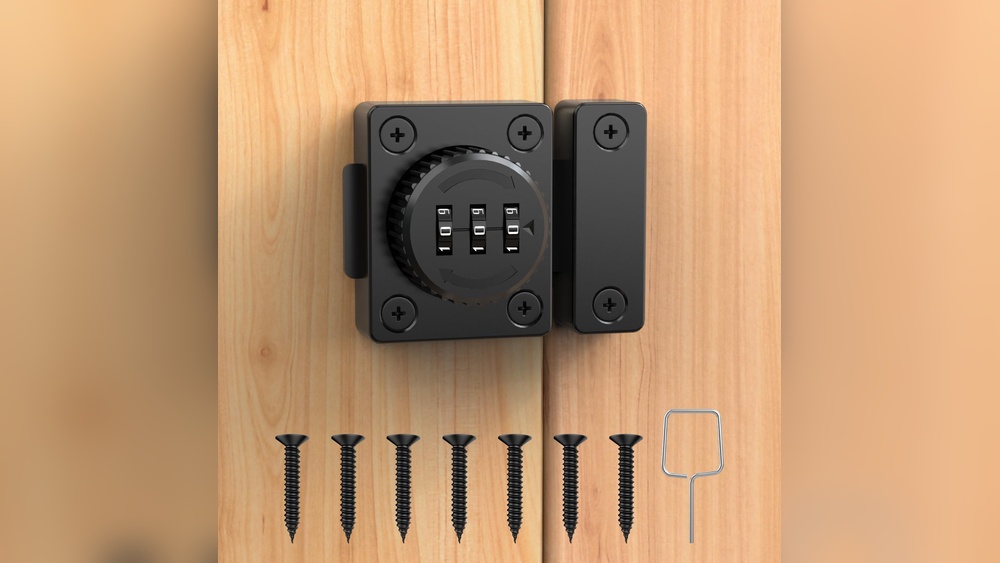
Magnetic Locks
Magnetic locks use a magnetic key to open. They stay hidden inside the cabinet. This keeps the cabinet looking neat. These locks do not damage your cabinets. They are easy to use but keep children out. No keys or tools are needed to open them.
Sliding Cabinet Locks
Sliding locks fit between cabinet doors. They slide to lock or unlock the doors. These locks are simple and quick to install. They work well on cabinets with handles. Sliding locks are strong and hard to force open. They help keep dangerous items away from kids.
Latch Locks
Latch locks use a small bar to hold doors closed. They come in many styles and sizes. Latch locks are easy to install and use. They provide a firm hold to keep cabinets shut. These locks are good for cabinets with regular doors. They offer a basic level of protection.
Childproof Locks
Childproof locks prevent young children from opening cabinets. They often have buttons or straps. These locks need adult strength or skill to open. They are safe and reliable for homes with toddlers. Childproof locks keep cleaning supplies and knives out of reach. They give peace of mind to parents.
Credit: shopyalehome.com
Tools You’ll Need
Locking kitchen cabinets keeps children and pets safe. It also protects your valuables. Using the right tools helps the job go smoothly. Prepare your workspace and gather these essential tools first.
Basic Hand Tools
You will need a screwdriver set with both flathead and Phillips tips. A drill with drill bits makes installing locks easier. A hammer might be useful for some lock types. Pliers help hold or bend small parts. Keep a utility knife nearby for trimming any excess material.
Measuring Equipment
Measure twice to avoid mistakes. A tape measure helps find the perfect lock position. A ruler or a small level ensures the lock aligns straight. Marking tools like a pencil or fine-tip marker are necessary for precise placements.
Safety Gear
Protect your eyes with safety glasses. Gloves prevent cuts and splinters during installation. Wear a dust mask if drilling creates dust. Keep your workspace well-lit to avoid accidents.
Step-by-step Installation
Installing locks on kitchen cabinets adds safety and keeps things organized. This process is simple and quick. Follow these clear steps to secure your cabinets effectively.
Preparing The Cabinet Surface
Clean the cabinet surface well. Remove dirt, grease, and dust. Use a damp cloth and let it dry fully. This helps the lock stick better. Check the cabinet door for any damage. Repair if needed before installing.
Positioning The Lock
Choose the right spot for the lock. Usually, near the edge of the door works best. Mark the position lightly with a pencil. Make sure the lock will close properly. Align the lock with the cabinet frame or drawer.
Securing The Lock
Attach the lock with screws or adhesive. Use a screwdriver for screws. Press firmly if it’s an adhesive lock. Follow the product instructions carefully. Tighten screws without overdoing it. Avoid damaging the cabinet surface.
Testing Lock Functionality
Close the cabinet door. Try locking and unlocking a few times. Check if the lock holds firmly. Make sure it opens smoothly with the key or button. Adjust the position if it doesn’t work well.
Tips For Different Cabinet Types
Locking kitchen cabinets depends on the type of cabinet. Each material needs a different approach. Knowing the right tip saves time and effort. It also keeps your cabinets safe and secure.
Here are tips for wooden, glass, and metal cabinets. Follow these to protect your kitchen items easily.
Wooden Cabinets
Wooden cabinets are common in many kitchens. Use magnetic locks for a clean look. These locks hide inside and do not damage wood. Another option is a simple latch lock. Screw it inside the cabinet for safety. Avoid heavy locks to protect the wood surface.
Glass Cabinets
Glass cabinets need gentle care to avoid cracks. Use adhesive locks that stick without drilling. These locks hold well and are easy to remove. For stronger security, try a bar lock across both handles. It stops doors from opening and is easy to install.
Metal Cabinets
Metal cabinets are sturdy but need strong locks. Use keyed cam locks for good security. They fit well in metal doors and are simple to use. Another choice is a padlock with a hasp. Attach the hasp firmly to the cabinet frame. This method keeps metals secure and safe.
Maintenance And Troubleshooting
Keeping your kitchen cabinet locks working well needs regular care. Maintenance helps stop problems early. Troubleshooting fixes small issues fast. This keeps your kitchen safe and easy to use.
Regular Checks
Check locks every few weeks. Look for loose screws or parts. Make sure the lock opens and closes smoothly. Clean dust and dirt from the lock area. Use a soft cloth to avoid damage. Early checks prevent bigger problems.
Fixing Common Issues
Locks may stick or not close fully. Tighten loose screws with a screwdriver. Lubricate lock parts with a small amount of oil. Avoid too much oil to stop dirt buildup. If the lock jams, try gently moving the key or latch. Small fixes save money and time.
Replacing Locks
Replace locks if broken or too old. Choose a lock that fits your cabinet style. Remove old screws and lock carefully. Install the new lock by following the instructions. Test the new lock to ensure it works well. New locks improve safety and usability.

Credit: www.amazon.com
Alternative Safety Measures
Keeping your kitchen safe is very important, especially with little children around. Locking cabinets is one way. But there are other safety measures that can help protect your family. These options can add extra layers of security and peace of mind. They work well alongside cabinet locks or on their own.
Child Safety Gates
Child safety gates block access to the kitchen or certain areas. They create a physical barrier that young children cannot climb over or open. Gates are easy to install and remove. They stop children from reaching cabinets or appliances that may be dangerous.
Use gates at doorways or openings to the kitchen. This keeps kids out of harm’s way. Gates also allow adults to move freely while keeping children safe.
Storing Hazardous Items Elsewhere
Keep sharp knives, cleaning products, and medicines out of kitchen cabinets. Store these items in high shelves or locked boxes. Another room, like a laundry or utility room, may be safer for storing toxic substances.
Placing dangerous items away from the kitchen reduces the risk of accidents. It limits what children can reach, even without cabinet locks.
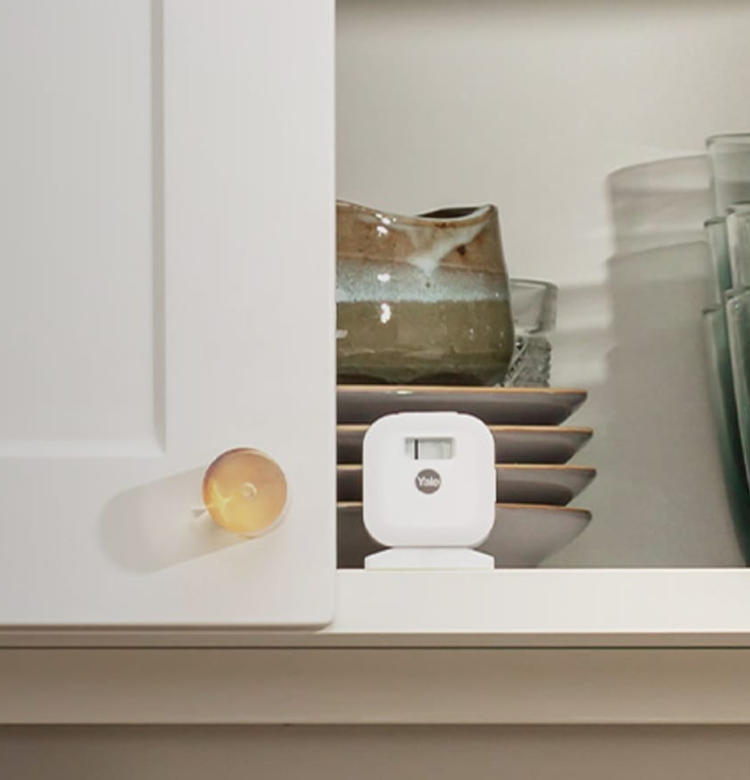
Using Alarms And Sensors
Alarms and sensors alert you if a cabinet is opened. Some devices sound a noise or send a message to your phone. This helps you respond quickly to potential dangers.
These tools are simple to install on cabinets. They add an extra layer of safety by notifying you of any unauthorized access.
Frequently Asked Questions
How Do I Choose The Best Kitchen Cabinet Locks?
Select locks based on cabinet material and child safety needs. Magnetic and adhesive locks are easy to install. Consider durability and ease of use for daily access. Always read product reviews before purchase to ensure reliability and effectiveness.
Can I Install Kitchen Cabinet Locks Without Tools?
Yes, some locks use adhesive backing or magnetic features. These require no drilling or screws, protecting cabinet surfaces. Adhesive locks are ideal for renters or temporary solutions. However, they may not be as secure as screw-in models.
Are Kitchen Cabinet Locks Safe For Children?
Yes, most locks are designed to keep children safe from harmful items. Childproof locks prevent accidental access to cleaning supplies or sharp objects. Choose locks with strong mechanisms but easy for adults to operate quickly.
How Long Does It Take To Install Cabinet Locks?
Installation typically takes 5 to 15 minutes per lock. Magnetic and adhesive locks are quicker to install. Screw-in locks may require extra time and tools. Follow manufacturer instructions for best results and safety.
Conclusion
Securing your kitchen cabinets keeps children safe and your items protected. Choose the right lock type that fits your needs and cabinet style. Installation is simple and can be done with basic tools. Regularly check locks to ensure they work properly over time.
Small steps lead to a safer kitchen environment for everyone. Start today and enjoy peace of mind in your home.

As the chief content writer, Hassan Al Sarker works as a professional kitchen-based content creator at Kitchen Liker.
In addition to reviewing the content published on Kitchen Liker, he ensures that it is accurate, relevant, and helpful. As a result, all the reviews and information published at Kitchen Liker are neutral and userfriendly.
Hassan Al Sarker has a bachelor’s degree in Hotel and Tourism Management From the Newyork University. Before joining Kitchen Liker, he was a contributor at Kitchen Club, United States.