
When you’re planning to upgrade your kitchen, one question probably pops up right away: What will the cabinets cost? Kitchen cabinets play a huge role in the look and feel of your space, but their price can vary a lot.
Knowing the average cost helps you set a realistic budget and avoid surprises. You’ll discover what affects cabinet prices and how to find options that fit your style and wallet. Keep reading to make smart choices for your kitchen without overspending.
Factors Influencing Cabinet Costs
The cost of kitchen cabinets depends on many factors. Understanding these helps plan your budget better. Each factor changes the final price in a clear way. Knowing what affects costs can guide your choices.
Materials And Quality
Cabinet materials vary from particleboard to solid wood. Higher quality wood costs more but lasts longer. Cheap materials lower the price but may wear out fast. The finish and hardware also affect the quality and price.
Cabinet Styles
Simple cabinet styles cost less than custom designs. Flat-panel cabinets are usually cheaper than detailed or raised-panel ones. The style affects how much labor and materials are needed. More complex styles need more time and skill.
Size And Layout
Bigger kitchens need more cabinets, raising the cost. An unusual layout may require custom cabinets, which cost more. Standard sizes fit mass-produced cabinets and reduce expenses. More cabinets mean higher material and installation costs.
Labor And Installation
Skilled labor costs more but ensures proper installation. Installation fees depend on cabinet complexity and kitchen size. Some projects need extra work, like removing old cabinets. Labor prices vary by company and experience.
Geographic Location
Cabinet prices change by region and local demand. Urban areas often have higher costs than rural locations. Shipping and delivery expenses add up in remote places. Local regulations and taxes also impact final prices.

Credit: hammerandhandsaw.com
Types Of Kitchen Cabinets
Kitchen cabinets come in different types. Each type affects the cost and style of your kitchen. Understanding these types helps you pick the right cabinets for your budget and needs.
Stock Cabinets
Stock cabinets are ready-made and sold at stores. They come in standard sizes and styles. These cabinets cost the least and are easy to find. They fit simple kitchen layouts but offer less customization.
Semi-custom Cabinets
Semi-custom cabinets offer more size and style options than stock. You can choose different finishes and hardware. They cost more but fit kitchens better. These cabinets balance price and personalization well.
Custom Cabinets
Custom cabinets are made to order. They fit your kitchen perfectly and match your style. These cabinets cost the most but offer the best quality. You get full control over materials, design, and details.
Price Ranges For Cabinet Materials
The cost of kitchen cabinets depends heavily on the material used. Different materials offer different looks, durability, and prices. Understanding these price ranges helps in choosing cabinets that fit your budget and style.
Here are common materials used for kitchen cabinets with their typical price ranges.
Solid Wood
Solid wood cabinets are classic and durable. They often cost between $200 and $500 per linear foot. Prices vary by wood type; oak and maple are mid-range. Exotic woods like cherry or walnut cost more. Solid wood offers a natural look and can be refinished easily.
Plywood
Plywood cabinets are strong and stable. They usually cost $100 to $300 per linear foot. Plywood resists warping better than particleboard. Many mid-range cabinets use plywood for the cabinet box. It balances cost and quality well.
Mdf And Particleboard
MDF and particleboard are budget-friendly options. Prices range from $50 to $150 per linear foot. MDF is smooth and good for painted finishes. Particleboard is less durable but cheaper. These materials may not last as long as wood or plywood.
Laminate And Thermofoil
Laminate and thermofoil cabinets are affordable and easy to clean. They cost about $60 to $200 per linear foot. Laminate offers many colors and patterns. Thermofoil has a plastic coating that resists moisture. Both are good for tight budgets and modern looks.
Credit: kitchencabinetkings.com
Cost Breakdown By Cabinet Style
Understanding the cost breakdown by cabinet style helps plan your kitchen budget. Cabinet style affects the price significantly. Some styles use simpler designs and materials, lowering costs. Others require detailed craftsmanship, raising the price. This section explains the average cost for popular cabinet styles.
Shaker Style
Shaker cabinets have a simple, clean design. They feature a flat center panel with square edges. This style uses less wood and fewer details. Shaker cabinets usually cost between $100 and $300 per linear foot. They offer a good balance of style and affordability.
Flat-panel Style
Flat-panel cabinets have smooth, plain doors without frames. They provide a modern, sleek look. These cabinets are often made from plywood or MDF. Flat-panel styles cost around $90 to $250 per linear foot. They are one of the most budget-friendly options.
Inset Style
Inset cabinets have doors that fit inside the cabinet frame. This style shows fine craftsmanship and fits tightly. Inset cabinets use more precise construction. They cost between $300 and $650 per linear foot. Expect to pay more for this elegant style.
Raised-panel Style
Raised-panel cabinets have a center panel that is raised above the frame. This design adds depth and texture. It requires more woodworking skills and time. Raised-panel cabinets usually cost from $150 to $400 per linear foot. They work well in traditional kitchens.
Additional Expenses To Consider
When budgeting for kitchen cabinets, the initial price is not the only cost. Several additional expenses can affect the total amount. These extra costs may surprise you if not planned ahead. Understanding these helps to set a realistic budget for your kitchen project.
Hardware And Accessories
Cabinet hardware includes handles, knobs, and pulls. These small items can change the cabinet’s look and feel. Quality hardware costs more but lasts longer. Accessories like soft-close hinges or pull-out shelves add convenience. These features usually increase the overall cost.
Custom Features
Custom features make your cabinets unique. Options like built-in spice racks or glass doors add style. Custom designs require more time and skill to build. This increases labor and material costs. Expect to pay more for tailored solutions that fit your needs.
Painting And Finishing
Painting or staining cabinets changes their appearance. This process protects the wood and improves durability. Professional painting costs extra beyond the cabinet price. Finishing options vary in price based on type and quality. Choose finishes that match your kitchen style and budget.
Removal And Disposal
Old cabinets need removal before new ones arrive. This task requires effort and sometimes special tools. Disposal fees may apply if junk removal services are used. Removing and disposing of cabinets add to the overall expense. Plan for this to avoid surprises during installation.

Credit: hammerandhandsaw.com
Tips To Save On Cabinet Costs
Saving money on kitchen cabinets can make your renovation easier. Cabinets often take a big part of the budget. Smart choices help keep costs down without losing style. Here are simple tips to save on cabinet costs and still get a great kitchen.
Choosing Semi-custom Options
Semi-custom cabinets offer a good balance between price and style. They come in many sizes and finishes. You get more choices than stock cabinets. Yet, they cost less than fully custom ones. This option lets you fit cabinets to your space. It also adds a personal touch without high costs.
Mixing Materials
Using different materials can lower the price. For example, use wood for cabinet fronts. Use less expensive materials for the cabinet boxes. This mix keeps the look nice and costs less. You can also combine solid wood and laminate. It gives a fresh style and saves money.
Diy Installation
Installing cabinets yourself can cut labor costs. Basic tools and careful planning help. Follow clear instructions step by step. This saves money and gives a sense of achievement. Just be sure you have time and patience for the job.
Shopping Sales And Discounts
Buying cabinets during sales saves money. Check for discounts at local stores and online. Seasonal sales or clearance events offer good deals. Sign up for newsletters to get alerts. Buying at the right time lowers the overall cost.
Comparing Quotes And Selecting Suppliers
Comparing quotes and selecting the right supplier is key to finding affordable kitchen cabinets. Prices vary a lot. The lowest quote might not mean the best deal. Quality, service, and support matter as much as price.
Take your time to compare different offers. Look beyond numbers. Think about what you get for the price. This approach helps avoid surprises later.
Evaluating Quality Vs Price
Price alone does not show cabinet quality. Check the materials used. Solid wood costs more but lasts longer. Particleboard is cheaper but less durable.
Look at finishes and hardware. These small details affect how cabinets look and feel. A mid-range price with good quality often offers the best value.
Checking Reviews And References
Reviews reveal real experiences. Read customer feedback on websites and social media. Positive reviews show reliable suppliers.
Ask suppliers for references. Talk to past customers about their satisfaction. This step helps avoid bad experiences and low-quality products.
Warranty And Customer Support
A solid warranty protects your investment. Check how long it lasts and what it covers. Cabinets with a warranty show supplier confidence.
Good customer support solves problems fast. Choose suppliers who respond quickly and clearly. This help is vital after purchase.
Frequently Asked Questions
What Is The Average Price For Kitchen Cabinets?
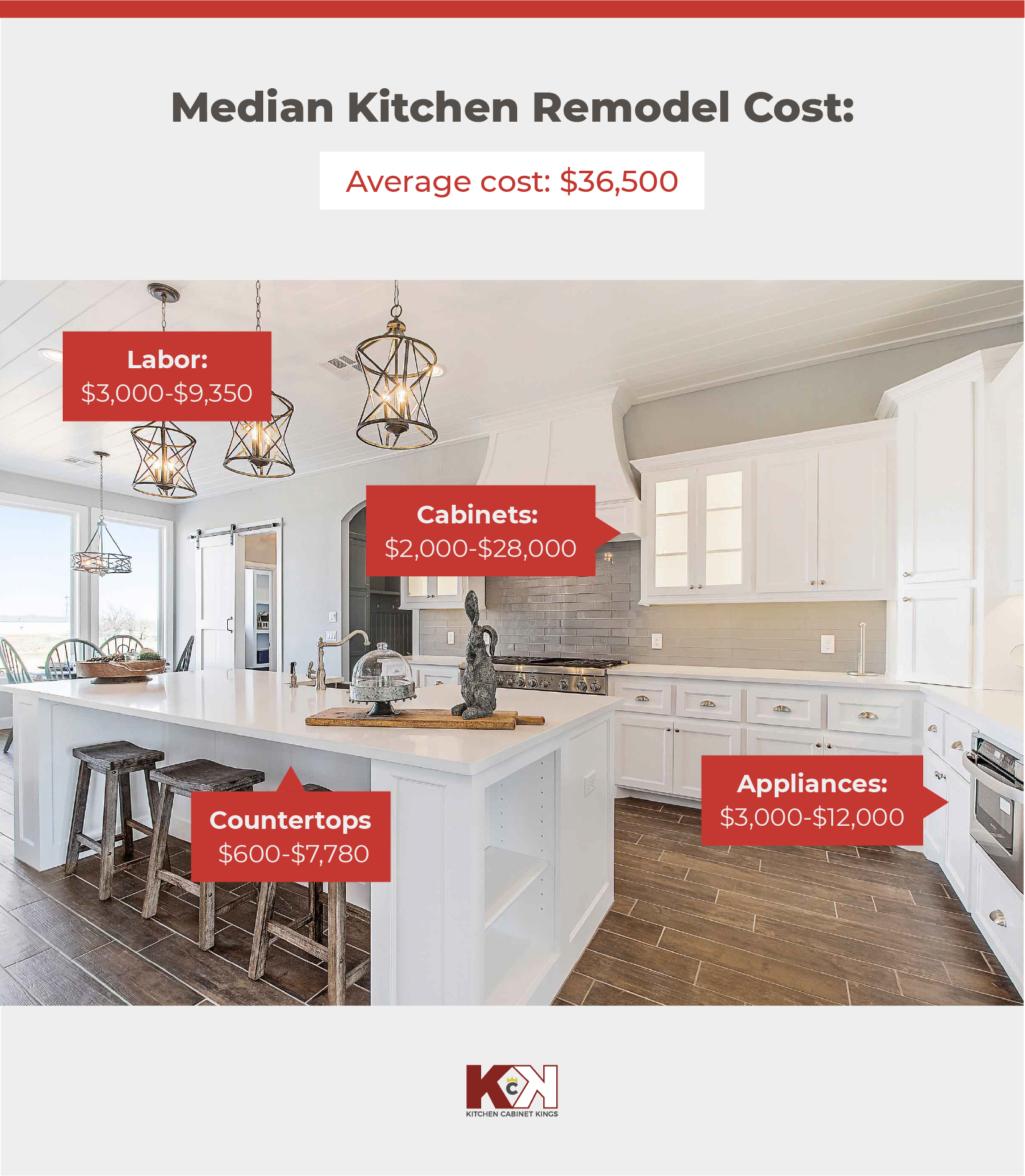
The average cost of kitchen cabinets ranges between $3,000 and $10,000. Prices vary based on materials, size, and customization options.
How Do Cabinet Materials Affect The Cost?
Materials like solid wood increase costs, while MDF and laminate are more affordable. Quality and durability also influence prices significantly.
Are Custom Cabinets More Expensive Than Stock Cabinets?
Yes, custom cabinets typically cost 30% to 50% more than stock options due to tailored design and craftsmanship.
What Is The Cost Difference Between Refacing And Replacing Cabinets?
Refacing cabinets costs around $1,000 to $4,000, which is cheaper than replacing cabinets costing $3,000 to $10,000 on average.
Conclusion
Kitchen cabinet costs vary by material and style. Basic cabinets cost less but have fewer features. Custom cabinets offer more options but cost more. Always plan your budget before buying cabinets. Quality and durability matter for long-term use. Choose cabinets that fit your kitchen size and design.
Knowing average costs helps avoid surprises later. Take time to compare prices from different stores. Good cabinets improve your kitchen’s look and function. Make smart choices to get the best value for money.

As the chief content writer, Hassan Al Sarker works as a professional kitchen-based content creator at Kitchen Liker.
In addition to reviewing the content published on Kitchen Liker, he ensures that it is accurate, relevant, and helpful. As a result, all the reviews and information published at Kitchen Liker are neutral and userfriendly.
Hassan Al Sarker has a bachelor’s degree in Hotel and Tourism Management From the Newyork University. Before joining Kitchen Liker, he was a contributor at Kitchen Club, United States.