
When you think about your kitchen, what stands out the most? Often, it’s the cabinets that catch your eye.
But have you ever stopped to wonder what kitchen cabinets are actually made of? Knowing this can help you choose the best option for your style, budget, and daily use. You’ll discover the common materials used in kitchen cabinets, their pros and cons, and how they affect durability and appearance.
By the end, you’ll feel confident making smart choices that transform your kitchen into a space you love. Keep reading to uncover the secrets behind your kitchen cabinets!
Credit: architizer.com
Common Cabinet Materials
Kitchen cabinets come in different materials. Each type affects the look, cost, and durability of your kitchen. Knowing common cabinet materials helps you choose the best fit for your needs. Here are the most popular materials used for kitchen cabinets.
Solid Wood
Solid wood is a classic choice for cabinets. It offers natural beauty and strong durability. Types include oak, maple, cherry, and pine. Solid wood cabinets can be stained or painted. They resist wear and can last for decades. Solid wood can be more expensive than other options.
Plywood
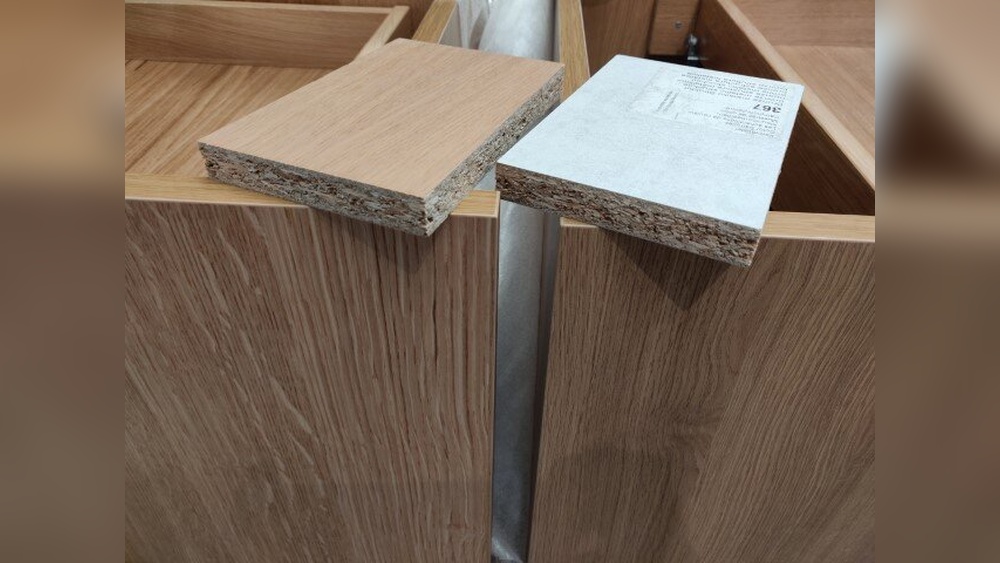
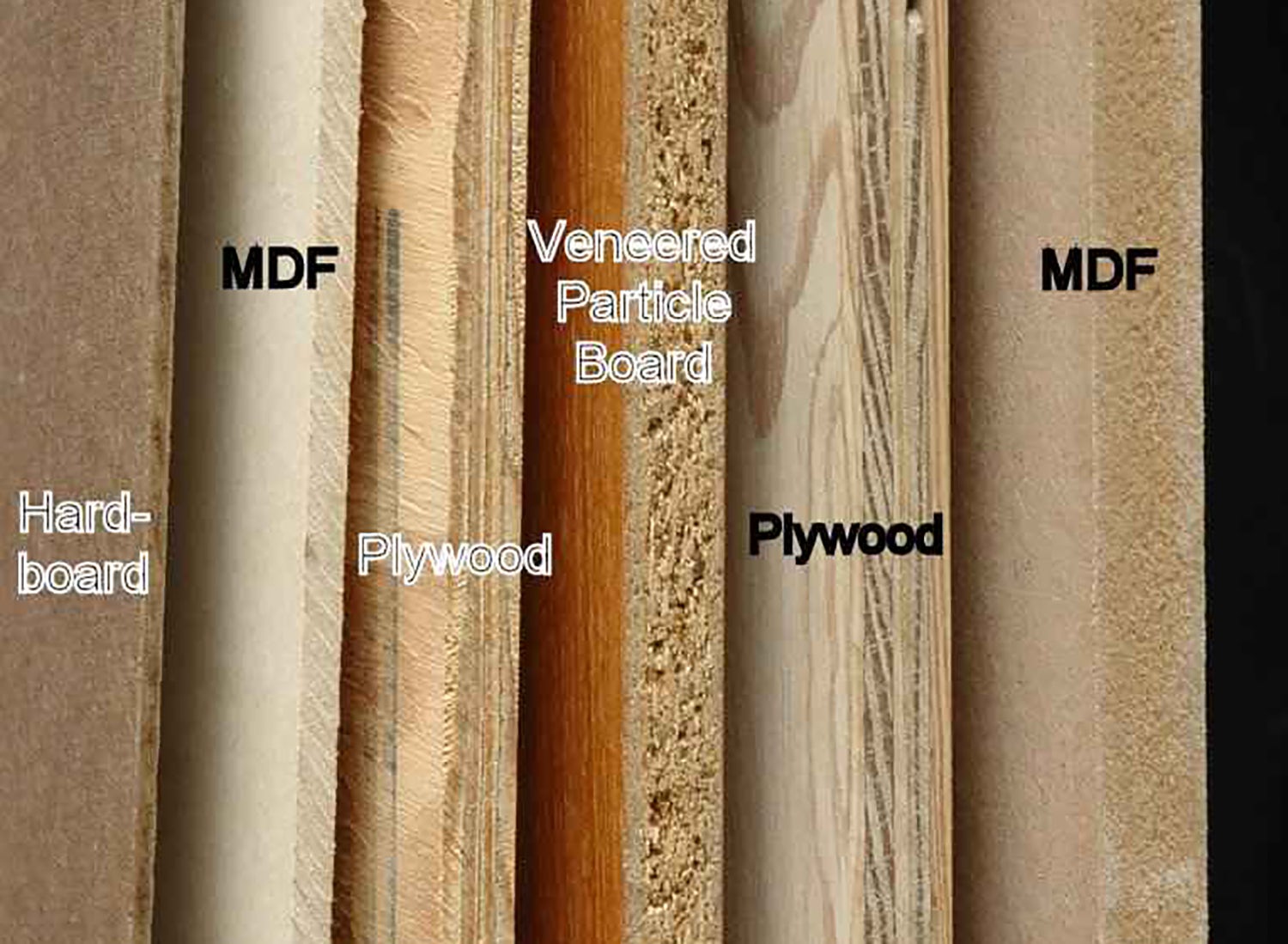
Plywood is made by gluing thin layers of wood together. It is strong and resists cracking or warping. Plywood is lighter than solid wood but still very durable. It is often used for cabinet boxes and shelves. Plywood cabinets usually cost less than solid wood.
Medium-density Fiberboard (mdf)
MDF is made from wood fibers pressed with glue. It has a smooth surface that is easy to paint. MDF does not have wood grain like solid wood. It is less expensive and resists warping. MDF can absorb water if not sealed properly, so it needs care around moisture.
Particleboard
Particleboard is made from wood chips and resin. It is the least expensive cabinet material. Particleboard is lighter but less durable than plywood or solid wood. It is often covered with laminate or veneer. Particleboard cabinets are best for low-budget kitchens or temporary use.
Types Of Solid Wood Used
Solid wood is a popular choice for kitchen cabinets. It offers strength and natural beauty. Different woods bring unique colors and grains. This section explores common types of solid wood used in cabinets.
Oak
Oak is a strong, durable wood. It has a prominent grain pattern. This wood works well in many kitchen styles. Oak cabinets resist dents and scratches. The color ranges from light to medium brown.
Maple
Maple is a smooth, fine-grained wood. It has a light, creamy color. Maple is harder than many woods. It provides a clean, modern look. This wood takes paint and stain evenly.
Cherry
Cherry wood has a warm, reddish tone. It darkens beautifully over time. Cherry is smooth and fine-grained. It adds elegance to kitchen cabinets. This wood is strong but easy to work with.
Pine
Pine is a softwood with a pale yellow color. It shows knots and natural patterns. Pine gives a rustic, cozy feel. It is lighter and easier to shape. Pine cabinets are budget-friendly and charming.
Advantages And Disadvantages Of Each Material
Kitchen cabinets come in many materials, each with pros and cons. Choosing the right material affects your kitchen’s look, cost, and how long cabinets last. Understanding these differences helps you pick the best fit for your home and budget.
Durability
Solid wood cabinets are very strong and last many years. They resist dents and scratches well. Medium-density fiberboard (MDF) is less strong but resists warping in humid areas. Plywood is also durable and holds screws well. Particleboard is the least durable and can swell with water exposure.
Cost
Particleboard cabinets are the cheapest option. MDF costs a bit more but stays affordable. Plywood prices vary by quality but generally fall in the mid-range. Solid wood is the most expensive due to its natural quality and long life.
Appearance
Solid wood shows natural grain and warmth. It can be stained or painted easily. MDF offers a smooth surface, perfect for painted finishes. Plywood often has a nicer look than particleboard and can be veneered. Particleboard usually has a plain surface and often needs a laminate cover.
Maintenance
Wood cabinets need regular cleaning and occasional sealing or refinishing. MDF cabinets require gentle cleaning to avoid swelling. Plywood is easy to clean but should avoid too much water. Particleboard cabinets need careful cleaning to prevent damage from moisture.
Finishes And Coatings
Finishes and coatings give kitchen cabinets their look and protect them from damage. They affect color, texture, and durability. Choosing the right finish can change the entire kitchen style. Some finishes make cabinets shiny and smooth. Others keep a natural wood feel. Coatings also help resist stains, water, and scratches. Here are common types of finishes and coatings for kitchen cabinets.
Painted Cabinets
Painted cabinets offer many color choices. They provide a smooth, even surface. Paint hides wood grain and imperfections well. These cabinets are easy to clean and maintain. Paint can peel or chip over time. Proper sealing helps keep paint looking fresh. White and gray painted cabinets are popular for modern kitchens.
Stained Cabinets
Stained cabinets show the natural wood grain. Stain soaks into wood and enhances its color. It keeps the wood texture visible and rich. Stains come in light, medium, and dark tones. They protect wood from moisture and fading. Stained finishes suit traditional and rustic kitchen styles. A clear topcoat adds extra protection.
Laminate And Veneer
Laminate cabinets use a thin plastic layer glued on wood. They come in many colors and patterns. Laminate is resistant to scratches and stains. It is budget-friendly and easy to clean. Veneer cabinets have a real wood layer on top. Veneer shows natural wood beauty at lower cost. Both options offer durable and stylish cabinet surfaces.
Eco-friendly Cabinet Options
Eco-friendly kitchen cabinets help protect the environment and create a healthier home. Choosing sustainable materials reduces waste and lowers pollution. These options often last longer and look beautiful in any kitchen style.
Reclaimed Wood
Reclaimed wood comes from old buildings or furniture. It saves trees by reusing existing wood. Each piece has a unique look and natural character. Using reclaimed wood reduces landfill waste and deforestation.
Bamboo
Bamboo grows quickly, making it a renewable resource. It is strong and lightweight, perfect for cabinets. Bamboo cabinets resist moisture and scratches well. This option is both eco-friendly and stylish.
Low-voc Materials
Low-VOC materials release fewer harmful chemicals. They improve indoor air quality for healthier living spaces. Paints, stains, and adhesives with low VOCs reduce pollution. Choosing these materials helps protect your family and the planet.
Credit: www.cbjltd.co.uk
Choosing The Right Material For Your Kitchen
Choosing the right material for your kitchen cabinets affects the look, feel, and function of your space. Cabinets must match your budget, style, and how much wear they will face. The right choice ensures your kitchen stays beautiful and practical for years. Consider these key points to find the best material for your home.
Budget Considerations
Cabinet materials vary greatly in price. Solid wood costs more but offers durability and a classic look. MDF and plywood are cheaper and still strong. Laminate and thermofoil are budget-friendly options with many colors and finishes. Set a clear budget to narrow your choices and avoid overspending.
Style Preferences
Your kitchen’s style guides the material choice. Wood suits traditional and rustic kitchens well. Modern kitchens often use sleek laminates or painted MDF. Natural wood grain adds warmth. Smooth finishes give a clean, contemporary feel. Pick a material that fits your design vision.
Durability Needs
Consider how much use your cabinets will get. Kitchens see spills, heat, and humidity daily. Solid wood resists damage but can warp if not sealed properly. Plywood is stable and holds screws well. MDF can swell if wet but works fine with good sealing. Choose materials that last in your kitchen’s conditions.
Environmental Impact
Eco-friendly materials reduce harm to the planet. Bamboo and reclaimed wood are renewable and sustainable. Low-VOC paints and finishes improve indoor air quality. Some laminates use recycled content. Ask about sourcing and production methods. Your choice can help protect the environment.
Trends In Cabinet Materials
Kitchen cabinet materials are changing fast. New styles and technology shape how kitchens look and work. This shift brings fresh choices for homeowners and designers. Trends focus on mixing styles, using new materials, and adding smart features. These ideas help kitchens feel modern and fit today’s needs.
Mixed Materials
Combining different materials adds texture and interest. Wood with metal frames creates a strong yet warm look. Glass panels mixed with wood brighten the space. These mixes give kitchens a unique and stylish feel. They also allow for custom designs that fit many tastes.
Innovative Composites
Composite materials are made from wood fibers and plastic. They resist water, warping, and scratches better than wood. These materials last long and need less care. Many homeowners choose composites for durability and style. They come in many colors and finishes.
Smart Cabinets
Smart cabinets include built-in technology for convenience. Some have LED lights that turn on automatically. Others have charging stations for phones and devices. Soft-close doors and drawers reduce noise. These features make kitchens easier to use and more modern.
Credit: www.laurysenkitchens.com
Frequently Asked Questions
What Materials Are Commonly Used For Kitchen Cabinets?
Kitchen cabinets are typically made from wood, plywood, MDF, particleboard, or metal. Solid wood offers durability and classic appeal. Plywood is strong and moisture-resistant. MDF provides a smooth surface for painting. Particleboard is budget-friendly but less durable. Metal cabinets suit modern, industrial designs.
How Does Plywood Differ From Particleboard In Cabinets?
Plywood is made of wood veneers glued together, providing strength and moisture resistance. Particleboard consists of wood chips and resin compressed into sheets, making it less durable and prone to swelling. Plywood cabinets last longer and handle humidity better than particleboard options.
Are Mdf Cabinets Good For Kitchen Use?
MDF cabinets offer a smooth, consistent surface ideal for painting. They resist warping better than solid wood but are less moisture-resistant. With proper sealing and maintenance, MDF cabinets perform well in kitchens and provide an affordable, stylish alternative.
Why Choose Solid Wood For Kitchen Cabinets?
Solid wood cabinets are durable, repairable, and offer timeless beauty. They can be refinished multiple times and withstand wear and tear. However, they tend to be more expensive and may expand or contract with humidity changes.
Conclusion
Kitchen cabinets come in many materials, each with its own benefits. Wood offers warmth and durability. MDF and plywood provide budget-friendly options. Metal and laminate add modern styles. Choosing the right material depends on your needs and style. Think about how long you want the cabinets to last.
Also, consider your kitchen’s look and your budget. Knowing what cabinets are made of helps make better choices. Your kitchen will look great and work well. Simple materials can create beautiful, functional spaces.

As the chief content writer, Hassan Al Sarker works as a professional kitchen-based content creator at Kitchen Liker.
In addition to reviewing the content published on Kitchen Liker, he ensures that it is accurate, relevant, and helpful. As a result, all the reviews and information published at Kitchen Liker are neutral and userfriendly.
Hassan Al Sarker has a bachelor’s degree in Hotel and Tourism Management From the Newyork University. Before joining Kitchen Liker, he was a contributor at Kitchen Club, United States.