
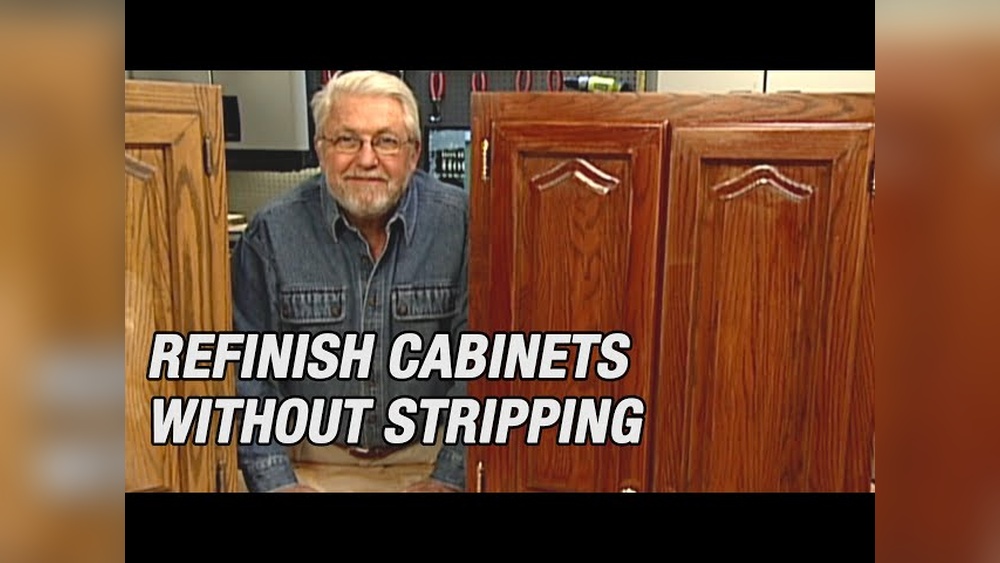
Are your kitchen cabinets looking worn out, but the thought of stripping off layers of paint or finish feels overwhelming? You’re not alone.
Refinishing your kitchen cabinets can transform your entire space without the high cost of replacement. The best part? You don’t have to deal with the mess and hassle of stripping. In this guide, you’ll discover simple, effective techniques to refresh your cabinets quickly and easily.
Keep reading, and you’ll learn how to give your kitchen a fresh, beautiful look without the hard work you’re worried about.
Choose The Right Materials
Choosing the right materials is key to refinishing kitchen cabinets without stripping. Good materials make the job easier and improve results. Selecting proper paints, primers, and tools helps avoid damage and saves time. Focus on quality but keep it simple. This section explains what to pick for a smooth refinishing process.
Paints And Primers
Use a primer designed for kitchen cabinets. It helps paint stick well and covers old finishes. Choose a primer that resists stains and moisture. This protects cabinets in a busy kitchen. For paint, pick one made for wood surfaces. Semi-gloss or satin finishes work best. They clean easily and look fresh longer. Avoid flat paints that show marks and wear fast.
Tools And Supplies
Gather the right tools before starting. Use fine-grit sandpaper to smooth surfaces gently. A sanding block or sponge helps control pressure. A high-quality brush or foam roller gives a smooth finish. Have clean cloths to wipe dust and dirt. Use painter’s tape to protect areas you don’t want painted. A small container for paint makes handling easier. These tools ensure neat work and save effort.
Prepare The Cabinets
Preparing the cabinets is the first key step in refinishing without stripping. It sets the stage for a smooth and long-lasting finish. Proper preparation helps paint or stain stick better and look more even. Take your time with this step to get the best results.
Clean Surfaces Thoroughly
Start by cleaning all cabinet surfaces well. Use a mild detergent mixed with warm water. Wipe down every corner, removing grease and dirt. Grease can block paint from sticking properly. Rinse the surfaces with clean water and let them dry completely. Dry surfaces help the primer and paint adhere better.
Remove Hardware And Doors
Take off all cabinet doors, drawers, and hardware. Use a screwdriver to remove knobs, handles, and hinges carefully. Removing these parts makes it easier to work and avoid messy paint spots. Label each door and hardware piece to know where they belong. Store everything safely until you finish refinishing.
Sand Cabinets Lightly
Sanding kitchen cabinets lightly is key for a smooth finish. It removes old gloss and helps new paint or stain stick well. This step prepares the surface without damaging the wood underneath. Gentle sanding also saves time and effort compared to full stripping.
Light sanding is simple but needs care. Use the right tools and techniques to avoid rough patches or uneven surfaces. This makes your cabinets look fresh and lasts longer after refinishing.
Select The Proper Grit
Choose a fine grit sandpaper, like 120 to 150. This grit smooths the surface without removing too much material. Coarse sandpaper can harm the wood and create scratches. Soft sanding means less work cleaning dust later. Always test on a small area first to check results.
Sand Evenly For Better Adhesion
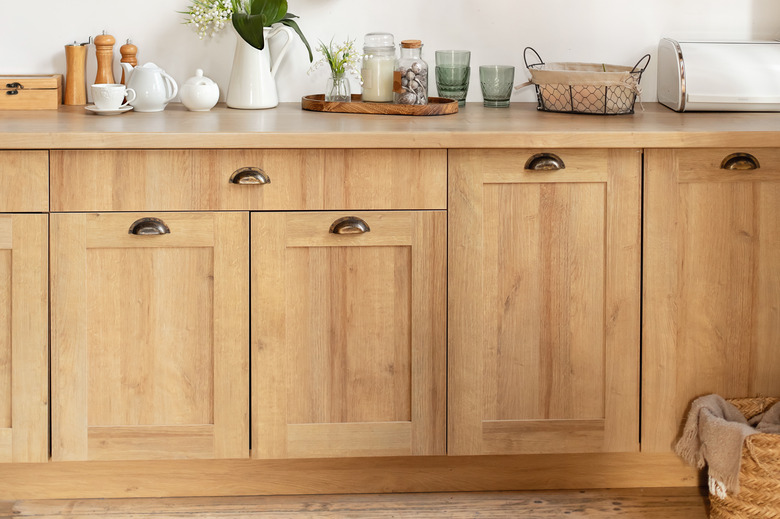
Sand in even, circular motions. Cover the whole cabinet surface consistently. This avoids uneven paint or stain absorption. Work gently around edges and corners. Uneven sanding can cause blotchy or peeling finishes. Keep the pressure steady and light to protect the wood.
Credit: www.hunker.com
Apply Primer For Better Finish
Applying primer is a key step for a smooth and lasting finish on kitchen cabinets. Primer helps paint stick better. It also covers stains and uneven colors. This step creates a strong base that prevents paint from peeling. Priming saves time and effort in the long run. It improves the look of your cabinets and makes them last longer.
Choose Primer Types
Select a primer that fits your cabinet material. For wood, use an oil-based or shellac primer. These block knots and stains well. For laminate or glossy surfaces, a bonding primer works best. It sticks firmly to slick surfaces. Pick a primer with low odor for indoor work. Consider quick-dry primers to speed up the project.
Tips For Smooth Application
Use a high-quality brush or foam roller for even coverage. Stir the primer well before use. Apply thin coats to avoid drips and bubbles. Let the primer dry fully between coats. Lightly sand the surface after the first coat. This helps remove any rough spots. Clean dust off before applying the next layer. Proper application leads to a flawless finish.
Paint Cabinets Effectively
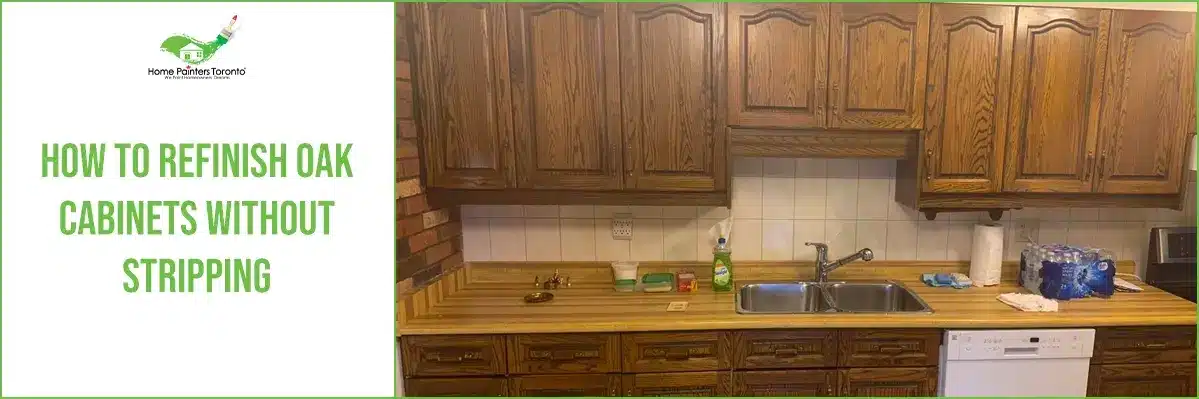
Painting kitchen cabinets without stripping them first can save time and effort. The key is to paint effectively. Proper painting gives a smooth, long-lasting finish. It also prevents brush marks and uneven color. Follow simple tips to get the best results on your cabinets.
Use Brushes And Rollers Correctly
Choose a high-quality brush for edges and corners. Use a small angled brush for detailed areas. For flat surfaces, a foam roller works best. Rollers spread paint evenly and reduce streaks. Avoid overloading brushes or rollers with paint. Apply gentle, even strokes for smooth coverage. Let each section dry before moving to the next.
Multiple Thin Coats Vs. One Thick Coat
Thin coats dry faster and look better. They reduce drips and bubbles on the surface. One thick coat may seem faster but often peels or cracks. Apply two or three thin layers. Lightly sand between coats for a smooth finish. Patience pays off with a neat, durable cabinet surface.
Credit: www.homepainterstoronto.com
Add Protective Topcoat
Adding a protective topcoat is an important step in refinishing kitchen cabinets without stripping. It helps protect the surface and keeps the cabinets looking fresh for a long time. The right topcoat also makes cleaning easier and prevents damage from moisture and daily wear.
Types Of Sealants
Choose a sealant based on the finish you want and how much use your cabinets get. Polyurethane is strong and water-resistant. It works well for busy kitchens. Water-based sealants dry fast and have less odor. They keep colors bright and clear. Shellac gives a warm look but is less durable. Wax adds shine but needs reapplication often. Pick a sealant that matches your cabinet’s style and your cleaning habits.
Application Techniques
Apply the topcoat evenly to avoid streaks and bubbles. Use a high-quality brush or a foam applicator for smooth results. Light, thin coats work better than thick ones. Let each coat dry fully before applying the next. Sand lightly between coats with fine-grit sandpaper for a smooth finish. Work in a dust-free area for the best results. Proper application extends the life of your refinished cabinets.
Reinstall Hardware And Doors
Reinstalling hardware and doors is the final step in refinishing kitchen cabinets without stripping. This step brings the cabinets back to life and completes the fresh look. Careful reinstallation ensures everything works well and looks neat.
Choose Updated Hardware
Pick hardware that matches your kitchen style. Modern knobs and handles can refresh the cabinets instantly. Consider simple designs for an elegant and clean look. Choose finishes like brushed nickel or matte black for a trendy touch. Make sure the new hardware fits the existing holes to avoid extra work.
Align Doors Perfectly
Align the doors carefully to prevent gaps and unevenness. Tighten hinges but avoid over-screwing to keep the doors secure. Check the doors close smoothly without rubbing the frame. Use a level or ruler to make sure the edges line up well. Small adjustments improve the overall cabinet appearance and function.
Maintenance Tips For Longevity
Maintaining your refinished kitchen cabinets extends their beauty and life. Simple daily care prevents damage and keeps them looking fresh. Follow these easy maintenance tips to protect your hard work.
Proper cleaning and timely touch-ups help cabinets stay in great shape. Small efforts now save you from costly repairs later.
Cleaning Without Damage
Use a soft cloth for cleaning your cabinets. Avoid rough sponges or brushes that can scratch surfaces. Choose mild soap mixed with warm water to wipe away dirt gently.
Never use harsh chemicals or abrasive cleaners. They can strip the finish or discolor the wood. Dry cabinets with a clean towel after cleaning to prevent water damage.
Touch-up Techniques
Fix small scratches or chips quickly. Use a matching wood marker or stain pen to cover blemishes. Apply thin layers to blend with the existing finish.
For larger spots, lightly sand the area and reapply a clear protective coat. This keeps your cabinets looking smooth and new. Regular touch-ups stop minor damage from spreading.
Credit: www.youtube.com
Frequently Asked Questions
Can I Refinish Cabinets Without Chemical Strippers?
Yes, you can refinish cabinets without chemical strippers. Use sanding, deglossers, or paint conditioners to prepare surfaces safely and effectively.
What Materials Are Needed To Refinish Cabinets?
You need sandpaper, a deglosser, primer, paint or stain, brushes, and protective gear to refinish cabinets properly without stripping.
How Long Does Refinishing Cabinets Take Without Stripping?
Refinishing cabinets without stripping usually takes 2-3 days, including sanding, cleaning, priming, painting, and drying times for a smooth finish.
Is Sanding Necessary When Refinishing Cabinets?
Yes, light sanding is necessary to remove gloss and help paint or stain adhere better, ensuring a durable and smooth finish.
Conclusion
Refinishing kitchen cabinets without stripping saves time and effort. You can refresh your kitchen look with simple steps. Use sanding and cleaning to prepare surfaces well. Choose the right paint or stain for a smooth finish. Take your time and work carefully for best results.
This method keeps cabinets strong and looking fresh. Enjoy a new kitchen style without a big mess. Small changes make a big difference in your space. Try this easy approach to update cabinets today.

As the chief content writer, Hassan Al Sarker works as a professional kitchen-based content creator at Kitchen Liker.
In addition to reviewing the content published on Kitchen Liker, he ensures that it is accurate, relevant, and helpful. As a result, all the reviews and information published at Kitchen Liker are neutral and userfriendly.
Hassan Al Sarker has a bachelor’s degree in Hotel and Tourism Management From the Newyork University. Before joining Kitchen Liker, he was a contributor at Kitchen Club, United States.