
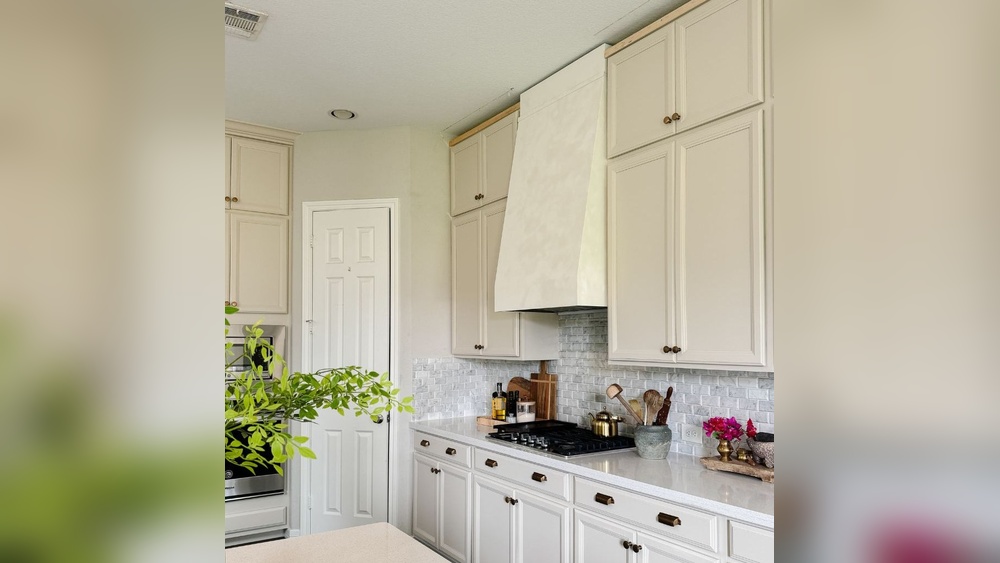
Are you ready to give your kitchen a fresh, stunning makeover? Choosing the right paint for your kitchen cabinets can make all the difference between a dull update and a jaw-dropping transformation.
But with so many options out there, how do you know which paint will hold up best against spills, stains, and daily wear? You’ll discover exactly what type of paint will make your cabinets look beautiful and last for years.
Keep reading, and you’ll learn how to pick the perfect paint that matches your style and meets your kitchen’s tough demands.
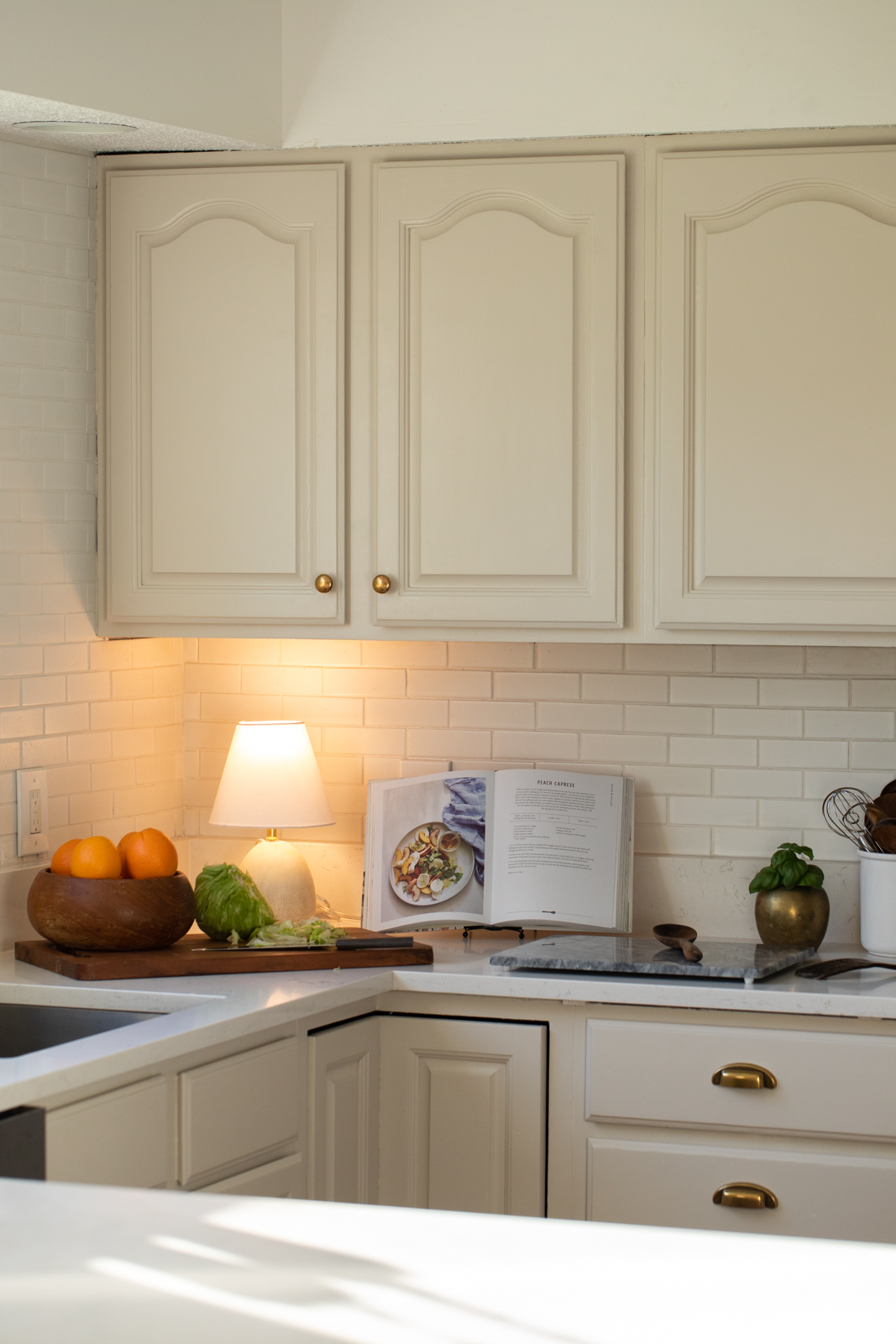
Credit: thefullheartedhome.com
Types Of Paint For Cabinets
Choosing the right paint for kitchen cabinets is key to a fresh, lasting finish. Different paints offer varied benefits. Some dry fast, others resist stains better. Knowing the types helps pick the best paint for your cabinets.
Latex Paint
Latex paint is water-based and easy to clean. It dries quickly and has low odor. This paint resists yellowing and works well in humid kitchens. It offers good coverage and cleans up with soap and water.
Oil-based Paint
Oil-based paint provides a smooth, durable finish. It takes longer to dry but resists wear and stains. This paint is great for cabinets that need strong protection. Clean brushes with mineral spirits or paint thinner.
Acrylic Paint
Acrylic paint is a type of latex paint with added durability. It holds color well and resists cracking. Acrylic paint is flexible, which helps cabinets handle temperature changes. It cleans up easily and lasts longer than standard latex.
Chalk Paint
Chalk paint creates a matte, vintage look on cabinets. It sticks to surfaces with little prep work. This paint can be sealed with wax or varnish for protection. Chalk paint is popular for DIY projects and easy to distress for style.
Finish Options For Kitchen Cabinets
Choosing the right finish for kitchen cabinets affects both look and durability. Paint finishes change the shine, feel, and cleaning ease. Understanding each option helps pick the best match for your kitchen style and use.
Matte Finish
Matte finish has no shine. It hides imperfections well. It gives a soft and natural look. This finish feels smooth and flat. It can be harder to clean than shinier options. Best for low-traffic kitchens or rustic styles.
Satin Finish
Satin finish offers a slight shine. It looks smooth and elegant. Satin is easier to clean than matte. It resists stains and marks better. This finish suits most kitchen styles. A good choice for balanced beauty and function.
Semi-gloss Finish
Semi-gloss has more shine than satin. It reflects light softly. This finish is very durable and easy to clean. It handles moisture and grease well. Semi-gloss is great for busy kitchens. Ideal if you want a bright, fresh look.
Glossy Finish
Glossy finish is highly shiny and smooth. It creates a modern and bold look. This finish is very easy to wipe clean. It shows scratches and dents more easily. Glossy paint fits contemporary kitchens well. Perfect for a sleek and polished appearance.
Factors To Consider When Choosing Paint
Choosing the right paint for kitchen cabinets needs careful thought. Many factors affect how the paint looks and lasts. Some paints wear out fast, while others stay fresh for years. The best paint fits your needs and kitchen use. Consider these points before you pick paint.
Durability And Wear Resistance
Kitchen cabinets face daily use and spills. Paint must resist scratches and stains well. Durable paint keeps cabinets looking new longer. Choose paint made for high-traffic areas. This helps avoid chips and peeling.
Drying Time
Fast drying paint saves time and effort. Cabinets dry quickly, so you can use the kitchen sooner. Slow drying paints may attract dust and dirt. Look for paint with a drying time that suits your schedule.
Ease Of Application
Paint that spreads easily makes the job simpler. Smooth application reduces brush marks and uneven surfaces. Choose paint that works well with your tools. Easy to apply paint saves time and frustration.
Odor And Voc Levels
Paints release fumes called VOCs. High VOC paints have strong odors and can harm health. Low VOC or zero VOC paints are safer indoors. Pick paint with low odor for a fresh kitchen environment.
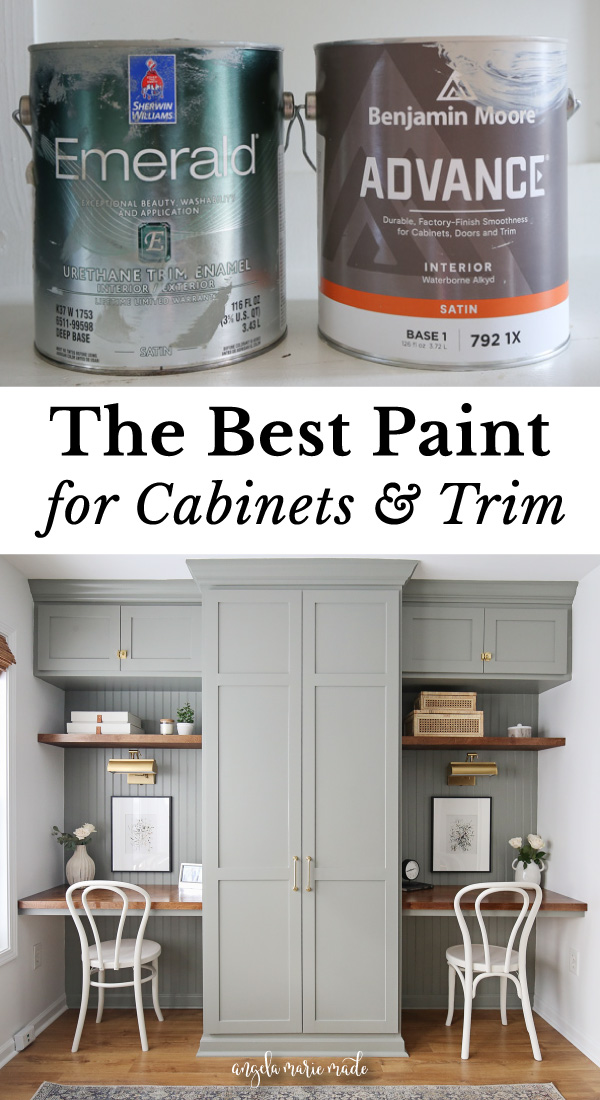
Credit: angelamariemade.com
Preparation Tips Before Painting
Proper preparation is key to painting kitchen cabinets well. It helps paint stick better and last longer. Skipping preparation can cause peeling and uneven surfaces. Follow these steps for a smooth, durable finish.
Cleaning And Degreasing
Clean cabinets thoroughly to remove dirt and grease. Use a mild detergent or degreaser with warm water. Wipe surfaces with a soft cloth or sponge. Rinse with clean water and let dry completely. Clean cabinets help paint adhere and prevent bubbling.
Sanding Techniques
Sanding smooths rough spots and removes old finish. Use fine-grit sandpaper, around 120 to 150 grit. Sand gently to avoid damage. Wipe away dust with a damp cloth after sanding. Smooth surfaces ensure paint spreads evenly and sticks well.
Priming The Surface
Apply a primer suitable for kitchen cabinets. Primer seals wood and blocks stains from bleeding through. Use a brush or roller for even coverage. Let primer dry fully before painting. Proper priming improves paint durability and finish quality.
Top Paint Brands For Kitchen Cabinets
Choosing the right paint brand is key for kitchen cabinets. The paint must be durable and look great. It should resist stains, chips, and moisture. Some brands stand out for these qualities. They offer colors that stay fresh and finishes that last. Here are top paint brands trusted by many for kitchen cabinets.
Benjamin Moore
Benjamin Moore paints are known for rich colors and smooth finishes. Their Advance line is popular for cabinets. It dries hard like a factory finish. The paint resists yellowing and wear. It cleans easily with soap and water. Benjamin Moore offers many shades to match any kitchen style.
Sherwin-williams
Sherwin-Williams has a strong reputation for quality. Their ProClassic line is designed for cabinets and trim. It provides a durable, smooth surface. The paint resists scratches and stains well. It also has excellent adhesion. Homeowners choose this brand for its reliable performance.
Behr
Behr offers budget-friendly options without losing quality. Their Alkyd Semi-Gloss Enamel is a favorite for kitchen cabinets. It dries to a tough, smooth finish. The paint resists moisture and scrapes. Behr provides many colors that hold up over time. It is easy to find at many stores.
Farrow & Ball
Farrow & Ball paints are famous for unique, deep colors. Their Modern Emulsion and Estate Eggshell lines work well on cabinets. The paint offers a rich, low-sheen finish. It hides brush marks and wears well. Farrow & Ball is perfect for adding character to kitchens.
Painting Methods For Best Results
Choosing the right painting method is key to a smooth, lasting finish on kitchen cabinets. Each method offers different benefits and suits different skill levels. Understanding these can help you achieve the best results.
Using A Brush
Brushing is the most common method for painting cabinets. It allows precise control, especially around edges and corners. Use a high-quality synthetic brush for a smooth finish. Brush in long, even strokes to avoid marks. Take your time to reduce drips and streaks. This method works well for detailed cabinet parts and small areas.
Using A Roller
Rollers cover large flat surfaces quickly. They create a smooth, even coat with fewer brush marks. Choose a small, high-density foam roller for best results. Roll slowly and lightly to prevent bubbles and texture. Rollers work great on cabinet doors and drawer fronts. Use a brush for corners and edges to complete the job.
Using A Paint Sprayer
Paint sprayers provide a fast and professional finish. They apply thin, even layers that dry quickly. Sprayers reach tight spots and intricate details easily. Use a sprayer outdoors or in a well-ventilated area. Practice spraying on cardboard before starting. Clean the sprayer carefully after use to keep it working well.
Common Mistakes To Avoid
Painting kitchen cabinets can transform the look of your kitchen. Many people make simple mistakes that affect the final result. Avoiding these common errors helps you get a smooth, lasting finish. Learn what to watch out for before you start.
Skipping Primer
Primer creates a strong base for paint. Without it, paint may peel or chip easily. It also blocks stains and helps the color look even. Always use a primer made for cabinets or wood surfaces.
Applying Thick Coats
Thick paint coats take longer to dry and can drip. They often cause uneven surfaces and bubbles. Apply thin, even layers instead. Let each coat dry fully before adding the next.
Ignoring Drying Times
Paint needs time to dry and harden between coats. Rushing this step can smudge or damage the finish. Follow the paint manufacturer’s drying instructions closely. Patience leads to a better, stronger cabinet finish.
Maintenance Tips For Painted Cabinets
Maintaining painted kitchen cabinets helps keep them looking fresh and new. Proper care extends the life of the paint and preserves the cabinet’s beauty. Follow simple maintenance tips to avoid damage and wear over time.
Cleaning Guidelines
Use a soft cloth or sponge to clean painted cabinets. Avoid harsh chemicals or abrasive scrubbers that can damage paint. Mix mild soap with warm water for regular cleaning. Wipe gently and dry with a clean cloth to prevent water spots. Clean spills and stains quickly to stop them from setting in.
Touch-up Techniques
Keep a small amount of leftover paint for touch-ups. Lightly sand the damaged area before applying paint to help it stick. Use a small brush to carefully cover scratches or chips. Let the paint dry completely between coats. Touch-ups keep cabinets looking smooth and well-maintained.
Protective Coatings
Apply a clear protective coat over painted cabinets for extra durability. Choose a water-based polyurethane for a smooth finish without yellowing. Protective coatings guard against scratches and stains. Reapply the coating every few years to maintain protection and shine.

Credit: penniesforafortune.com
Frequently Asked Questions
What Type Of Paint Is Best For Kitchen Cabinets?
The best paint for kitchen cabinets is durable, smooth, and easy to clean. Semi-gloss or satin acrylic latex paints are ideal. They resist moisture, stains, and wear, making cabinets look fresh and lasting longer.
Should I Use Oil-based Or Water-based Paint?
Water-based paints are preferred for kitchen cabinets. They dry faster, have less odor, and clean up with water. Modern water-based paints provide excellent durability and a smooth finish compared to oil-based options.
How Many Coats Of Paint Do Kitchen Cabinets Need?
Typically, two to three coats of paint are recommended. The first coat creates a base, and additional coats improve coverage and durability. Proper sanding between coats ensures a smooth, professional finish.
Do I Need To Prime Kitchen Cabinets Before Painting?
Yes, priming is essential for kitchen cabinets. It helps paint adhere better and prevents stains or tannins from bleeding through. Use a high-quality primer suited for your cabinet material.
Conclusion
Choosing the best paint for kitchen cabinets affects how long your cabinets last. Durable paints like acrylic and enamel offer strong protection and a smooth finish. Satin or semi-gloss sheens resist stains and make cleaning easy. Proper preparation and application ensure the paint sticks well and looks great.
Remember, the right paint can refresh your kitchen’s style and feel. Take your time to pick a paint that fits your needs and budget. Your kitchen cabinets will thank you with a fresh, lasting look. Simple steps lead to beautiful results.

As the chief content writer, Hassan Al Sarker works as a professional kitchen-based content creator at Kitchen Liker.
In addition to reviewing the content published on Kitchen Liker, he ensures that it is accurate, relevant, and helpful. As a result, all the reviews and information published at Kitchen Liker are neutral and userfriendly.
Hassan Al Sarker has a bachelor’s degree in Hotel and Tourism Management From the Newyork University. Before joining Kitchen Liker, he was a contributor at Kitchen Club, United States.