Are you ready to transform your kitchen into a space that’s both beautiful and practical? Designing kitchen cabinets is a key step that can completely change how your kitchen looks and feels.
But where do you start? What choices will make your cabinets stand out and work perfectly for your daily needs? You’ll discover simple, smart tips to design kitchen cabinets that fit your style, maximize storage, and make cooking a joy.
Keep reading, because your dream kitchen is closer than you think.
Choosing Cabinet Styles
Choosing the right cabinet style sets the tone for your entire kitchen. Cabinets shape the room’s look and feel. They also affect how you use the space. Think about your daily needs and the style you like. This helps narrow down the many cabinet options available. Below are popular styles to consider for your kitchen cabinets.
Modern Designs
Modern cabinets focus on clean lines and smooth surfaces. They often use flat panels without extra details. Colors tend to be neutral or bold, like white, black, or gray. Materials like glass, metal, and high-gloss finishes fit well. Handles may be simple or hidden to keep the look sleek. This style suits kitchens with a fresh, open feel.
Traditional Looks
Traditional cabinets feature detailed woodwork and classic shapes. Raised panels, moldings, and decorative trims are common. Warm wood tones like oak, cherry, or maple add charm. This style creates a cozy, timeless atmosphere. It works well in homes with vintage or country themes. Traditional cabinets often include glass doors or open shelves.
Transitional Options
Transitional cabinets blend modern and traditional elements. They offer clean lines with some decorative touches. Colors are usually soft and neutral, like beige or light gray. Materials often include wood with simple hardware. This style fits many kitchen types. It balances comfort with a fresh, updated look.
Selecting Materials
Choosing the right materials for kitchen cabinets shapes their look and durability. Cabinets face heat, moisture, and daily use. Selecting strong, reliable materials keeps them lasting long and looking good. Focus on material types to match style, budget, and care needs.
Wood Types
Solid wood offers natural beauty and strength. Oak, maple, cherry, and pine suit many kitchen styles. Each wood has a unique grain and color. Wood can be stained or painted to fit your design. It resists wear well but may swell in high moisture.
Mdf And Plywood
MDF is smooth and cost-effective. It holds paint well and resists warping. Plywood is made from layers of wood glued together. It offers good strength and moisture resistance. Both materials are popular for cabinet boxes and doors. They provide a clean, modern look.
Eco-friendly Choices
Eco-friendly cabinets use sustainable or recycled materials. Bamboo grows fast and is very strong. Recycled wood or reclaimed timber reduces waste. Low-VOC paints and finishes improve indoor air quality. Choosing green options helps the planet and your home.
Picking The Right Finish
Choosing the right finish for your kitchen cabinets affects the room’s look and feel. The finish protects the wood and shows off its beauty. It also changes how easy the cabinets are to clean and maintain. Picking the right finish helps your kitchen stay stylish for years.
Painted Vs. Stained
Painted cabinets offer a smooth, even color. They can hide wood grain and cover imperfections. Choose paint for a modern or colorful look. Stained cabinets show the natural wood grain. They bring warmth and texture to the kitchen. Stain works well for traditional or rustic styles.
Matte And Glossy Options
Matte finishes have no shine. They hide fingerprints and scratches well. Matte looks soft and subtle. Glossy finishes reflect light and look shiny. They make small kitchens feel bigger. Glossy surfaces are easy to clean but show smudges more.
Durability Factors
Durability depends on the finish type and quality. High-quality paint or stain lasts longer and resists damage. Cabinets in busy kitchens need tough finishes. Water and heat resistance are important. Choose finishes that protect against spills and steam. A strong finish keeps cabinets looking new.
:max_bytes(150000):strip_icc()/SPR-kitchen-cabinet-ideas-5215177-hero-e6cfcf9e2a3c4dd4908e5b53d4003c40.jpg)
Credit: www.thespruce.com
Optimizing Cabinet Layout
Optimizing the layout of kitchen cabinets improves both function and style. A well-planned layout makes cooking easier and keeps the kitchen neat. It saves space and helps you find items quickly. Thoughtful design creates a balanced flow for daily tasks.
Maximizing Storage
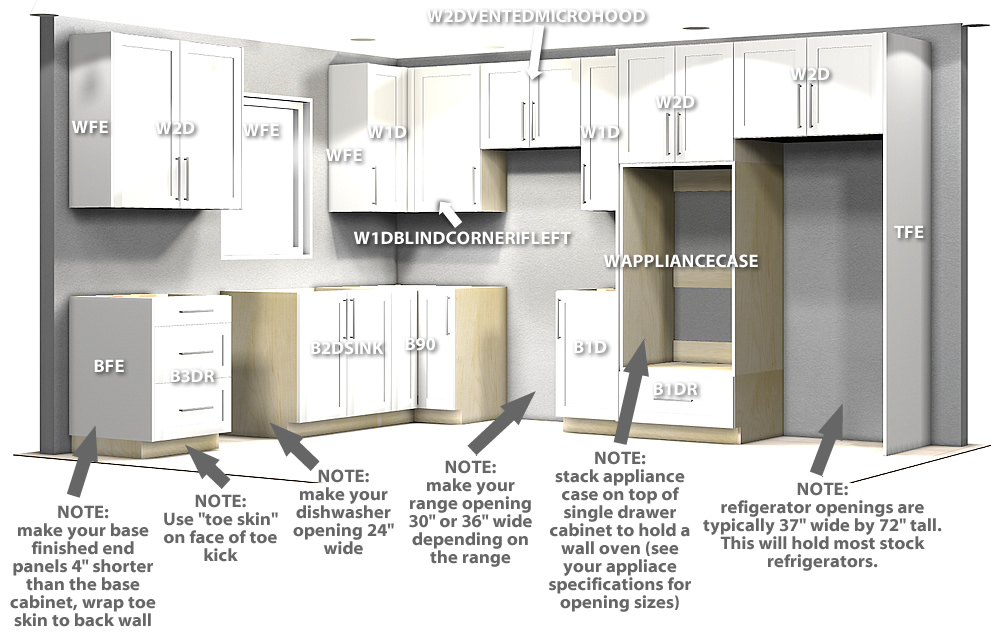
Use every inch of space wisely. Tall cabinets reach up to the ceiling to store less-used items. Pull-out shelves bring items to you without bending. Corner cabinets with lazy Susans make hard-to-reach areas useful. Use drawer organizers to separate utensils and tools.
Ergonomic Considerations
Place frequently used items at waist or eye level. Avoid bending or stretching too much. Keep heavy pots and pans in lower cabinets for easy lifting. Design the workspace so the fridge, sink, and stove form a triangle. This reduces walking and saves time.
Island And Peninsula Designs
Islands add extra storage and workspace in the kitchen center. Use cabinets under the island for pots, pans, or small appliances. Peninsulas connect to walls or other cabinets, offering more counter space. Both options create social spots for family and guests.
Incorporating Functional Features
Incorporating functional features into kitchen cabinets makes daily tasks easier. These features improve storage, access, and overall kitchen flow. Smart cabinet design blends style with practicality. Each element should serve a purpose and enhance usability.
Soft-close Mechanisms
Soft-close hinges and drawer slides prevent doors from slamming shut. They reduce noise and protect cabinet surfaces. This feature extends the life of your cabinets by minimizing wear. Soft-close mechanisms add a touch of luxury to any kitchen.
Pull-out Shelves
Pull-out shelves improve access to items stored at the back. They save time and effort by bringing contents forward. These shelves work well for pots, pans, and pantry goods. Pull-out designs maximize space and keep cabinets organized.
Built-in Organizers
Built-in organizers keep utensils, spices, and cleaning supplies tidy. They reduce clutter and help maintain a neat kitchen. Custom organizers fit your specific needs and kitchen size. Using organizers inside cabinets creates a smooth cooking experience.
Choosing Hardware
Choosing the right hardware for kitchen cabinets is important. Hardware affects both function and style. It helps cabinets open smoothly and adds personality to the kitchen. Small details like handles and hinges make a big difference.
Handles And Knobs
Handles and knobs come in many shapes and sizes. Choose ones that feel good in your hand. Round knobs suit classic kitchens. Long bar handles fit modern designs. Finish options include chrome, brass, and matte black. Pick a finish that matches your kitchen’s look.
Hinges And Slides
Hinges allow cabinet doors to open and close. Soft-close hinges prevent doors from slamming. Slides are for drawers and let them glide smoothly. Quality hinges and slides improve cabinet durability. Check load capacity to match your cabinet size.
Matching Styles
Hardware should match your kitchen’s style. Traditional kitchens pair well with ornate knobs and hinges. Sleek kitchens work best with simple, clean hardware. Keep metal finishes consistent for a neat look. Mixing styles can cause a cluttered feel.
Color Schemes And Coordination
Choosing the right colors for kitchen cabinets shapes the room’s mood and style. Colors set the tone and affect how spacious or cozy the kitchen feels. Coordinating cabinet colors with other kitchen elements creates a balanced and inviting space. Explore simple ways to pick colors that work well together and highlight your kitchen’s best features.
Neutral Palettes
Neutral colors like white, beige, and gray offer timeless appeal. These shades create a calm and clean look. Neutral palettes make the kitchen appear larger and brighter. They also blend well with many design styles, from modern to rustic. Using neutrals allows flexibility to change other decor without repainting cabinets.
Bold Accents
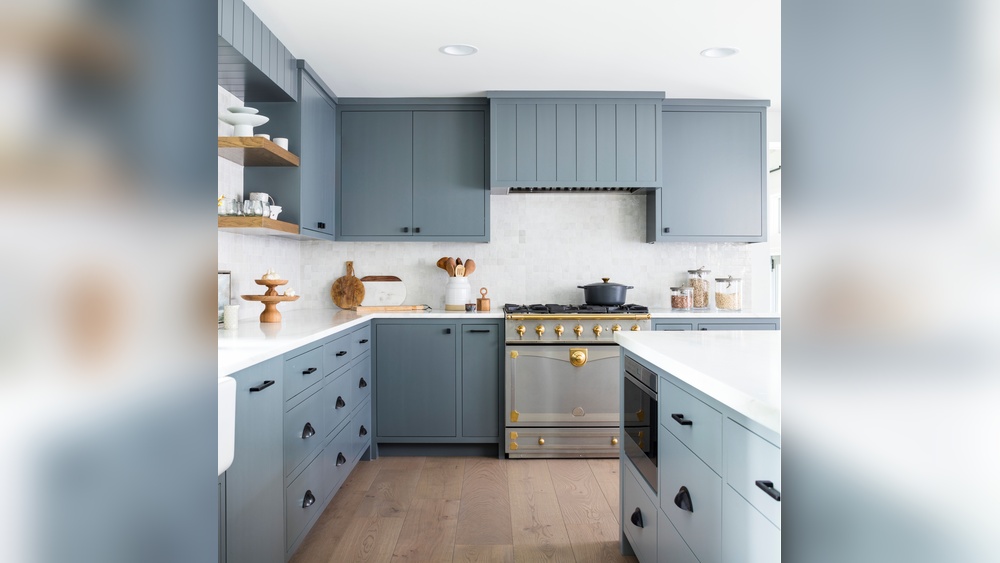
Adding bold colors brings energy and personality to the kitchen. Deep blues, rich greens, or vibrant reds add striking contrast. Use bold colors on a few cabinets to avoid overwhelming the space. This approach highlights key areas and adds visual interest. Bold accents make cabinets the focal point of the room.
Complementing Countertops And Backsplashes
Cabinet colors should match countertops and backsplashes for harmony. Choose colors that enhance natural stone, tile, or wood surfaces. Light cabinets work well with dark countertops and vice versa. Coordinated colors create a smooth flow and make the kitchen feel complete. Test samples in your kitchen light before final decisions.
Credit: www.barkercabinets.com
Lighting For Cabinets
Lighting plays a vital role in kitchen cabinet design. It highlights the beauty of your cabinets. It also helps you work better in the kitchen. Good lighting makes your kitchen safe and comfortable. It adds warmth and style to the space. There are different ways to light your cabinets. Each method creates a unique look and feel. Let’s explore three popular lighting options for cabinets.
Under-cabinet Lights
Under-cabinet lights sit below the upper cabinets. They shine light directly on the countertop. This lighting is perfect for cooking and food prep. It reduces shadows on your work surface. LED strips and puck lights are common choices. They are energy-efficient and long-lasting. You can install dimmers to control brightness. Under-cabinet lights create a clean and modern look.
Interior Cabinet Lighting
Interior cabinet lighting goes inside glass or open cabinets. It shows off your dishes and glassware beautifully. This lighting adds depth and interest to your kitchen. Small LED spotlights or strip lights work well. They make your cabinet contents easier to find. Interior lights also add a soft glow to the room. Use warm white lights for a cozy atmosphere.
Ambient Enhancements
Ambient lighting enhances the overall mood of your kitchen. It can be placed above or below cabinets. Toe-kick lights at the base add subtle floor lighting. Crown molding lights create a floating effect on top. These lights add elegance without being too bright. Use ambient lighting to complement your main kitchen lights. It helps create a balanced and inviting space.
Budget Planning Tips
Planning your budget is key when designing kitchen cabinets. It helps control costs and avoid surprises. Budgeting ensures you get the best value without overspending. Clear budget plans guide your choices for materials and styles.
Cost Breakdown
Start by listing all cabinet expenses. Include materials, labor, and hardware. Don’t forget delivery and installation fees. Add a small amount for unexpected costs. This helps keep the project on track and within budget.
Saving Strategies
Choose standard sizes over custom cabinets to save money. Select durable but affordable materials like plywood or MDF. Consider painting instead of staining wood for lower costs. Shop around for deals on hardware and accessories. Small changes add up to big savings.
Balancing Quality And Expense
Focus spending on areas that affect durability and look. Spend more on cabinet frames and doors. Save on less visible parts like shelves. Good quality cabinets last longer and reduce future repair costs. Balance quality with price for smart investment.
Hiring Professionals Vs Diy
Deciding between hiring professionals or doing kitchen cabinet design yourself can be tough. Both choices have benefits and challenges. Understanding these will help you make the best decision for your project and budget.
When To Hire Experts
Hire experts if you want precise measurements and smooth installation. Professionals have experience with different cabinet styles and materials. They can suggest designs that fit your kitchen space. Complex layouts or custom cabinets usually need expert help. Also, tight deadlines and limited free time make hiring a pro a smart choice.
Diy Challenges
Designing and installing cabinets yourself can save money but is hard work. Measuring mistakes can cause poor fitting and wasted materials. You must learn how to handle tools safely. Time and patience are important for cutting, assembling, and finishing. Mistakes may cost more in repairs or replacements later.
Tools And Resources
DIY projects need basic tools: tape measure, saw, drill, and level. You can find free online tutorials and videos for guidance. Some stores offer cabinet kits with pre-cut parts and instructions. Using design software can help visualize the final look. Good planning and proper tools make the process easier.
:strip_icc()/7003788_DeMattia_0279-e283f1f497224852a79f1fe1ab271f00.jpg)
Credit: www.bhg.com
Frequently Asked Questions
What Materials Are Best For Kitchen Cabinets?
Wood, plywood, and MDF are popular materials. Wood offers durability and a classic look. Plywood resists moisture well. MDF is budget-friendly and smooth for painting. Choose based on style, durability, and budget preferences.
How Do I Choose The Right Kitchen Cabinet Style?
Consider your kitchen’s overall design and personal taste. Popular styles include modern, traditional, and shaker. Match cabinet style with countertops and flooring. Focus on functionality and visual appeal to create a cohesive look.
What Cabinet Finishes Last Longest In Kitchens?
Semi-gloss and satin finishes resist moisture and stains well. They are easy to clean and maintain. Matte finishes hide fingerprints but may stain more easily. Choose finishes that balance durability and aesthetics for your kitchen.
How Much Space Is Needed Between Cabinets And Appliances?
Maintain at least 18 inches between cabinets and appliances. This space ensures usability and ventilation. Proper spacing prevents damage and improves kitchen workflow. Always measure carefully to fit your kitchen layout.
Conclusion
Designing kitchen cabinets takes planning and care. Choose styles and colors that fit your space. Think about storage and how you use your kitchen. Measure well to avoid mistakes. Simple designs often work best and last longer. Take your time to pick materials and finishes.
Your kitchen will look great and feel more useful. Enjoy creating a space that suits your needs and style.

As the chief content writer, Hassan Al Sarker works as a professional kitchen-based content creator at Kitchen Liker.
In addition to reviewing the content published on Kitchen Liker, he ensures that it is accurate, relevant, and helpful. As a result, all the reviews and information published at Kitchen Liker are neutral and userfriendly.
Hassan Al Sarker has a bachelor’s degree in Hotel and Tourism Management From the Newyork University. Before joining Kitchen Liker, he was a contributor at Kitchen Club, United States.