
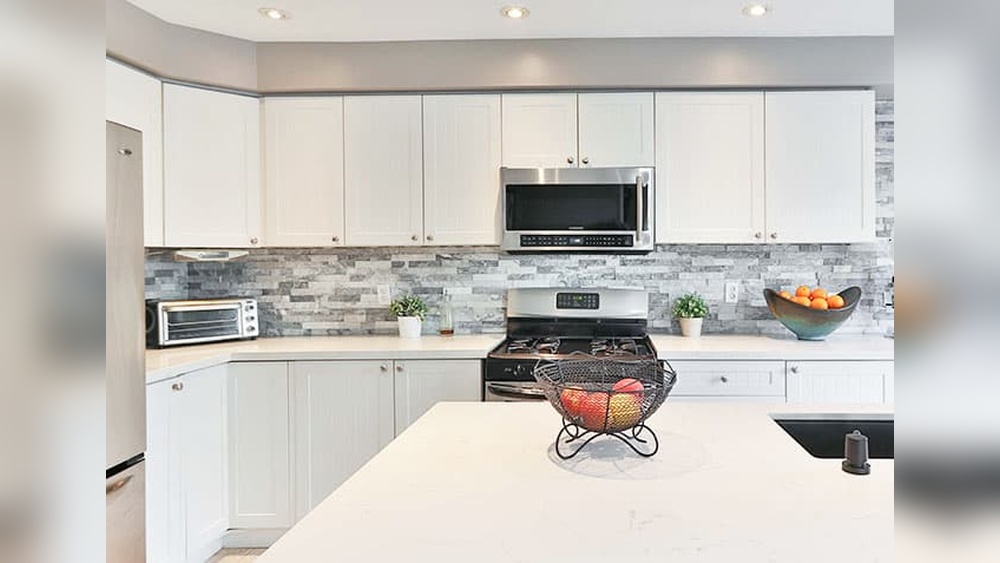
Have you ever opened your kitchen and wondered why those cabinets cost so much? You’re not alone.
Kitchen cabinets can feel like a big investment, and it’s natural to ask why they come with such a high price tag. Understanding the reasons behind their cost can help you make smarter choices for your home and your budget.
You’ll discover what really drives up the price of kitchen cabinets and how you can get the best value without compromising on quality. Keep reading—you might be surprised by what you learn.
Material Quality
Material quality plays a major role in the cost of kitchen cabinets. Cabinets built from high-quality materials last longer and look better. Choosing the right material affects the price and the cabinet’s overall value. Here is a deeper look at material quality and its impact on cabinet costs.
Types Of Wood Used
Wood is the most common material for kitchen cabinets. Hardwoods like oak, maple, and cherry cost more. These woods offer strength and a beautiful grain. Softwoods like pine are cheaper but less durable. Exotic woods, such as mahogany, can be very expensive. The type of wood directly affects the price of the cabinets.
Impact Of Material Durability
Durable materials resist scratches, dents, and moisture damage. Cabinets made from solid wood or plywood last for decades. Cheap materials like particleboard wear out faster. Durable materials reduce the need for repairs or replacements. This long-term value adds to the initial cost of cabinets.
Eco-friendly Material Costs
Eco-friendly materials include recycled wood and sustainable bamboo. These options help the environment but cost more to produce. Many buyers want green products, raising their demand and price. Using eco-friendly materials adds to the cabinet’s price but supports a healthier planet.
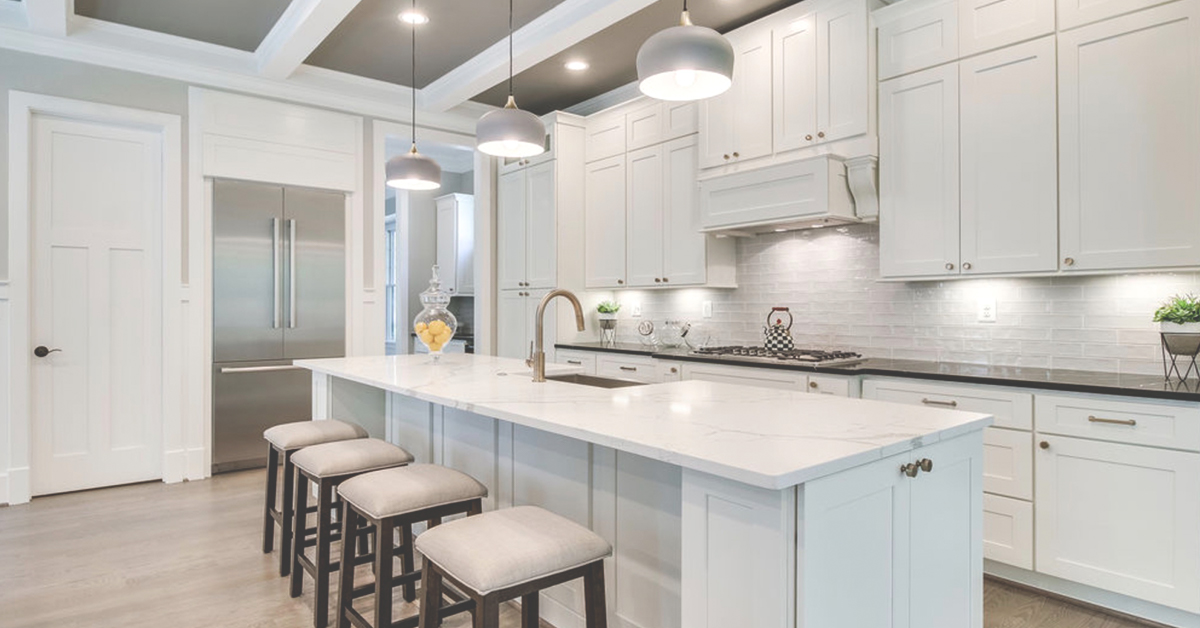
Credit: www.rtacabinetstore.com
Manufacturing Process
The manufacturing process plays a big role in the cost of kitchen cabinets. It involves many steps and skilled work. The materials, tools, and time all add up. Understanding this process helps explain why cabinets are expensive.
Handcrafted Vs. Mass-produced
Handcrafted cabinets are made by skilled workers. Each piece is carefully built and finished. This takes time and effort. Mass-produced cabinets are made in factories. Machines handle most of the work. Handcrafted cabinets cost more because of the skill and time needed.
Customization And Design Complexity
Custom cabinets match specific room sizes and styles. Complex designs need special cuts and details. This requires more planning and precise work. Simple, standard cabinets are cheaper to make. Custom designs increase the price because they need extra care.
Labor Costs
Labor costs cover wages for workers and specialists. Skilled carpenters and finishers earn higher pay. More labor means higher costs. Factories reduce labor with machines but still need workers. Labor is a big part of the final price.
Hardware And Accessories
Hardware and accessories play a big role in the cost of kitchen cabinets. These small parts help your cabinets work well and look good. Choosing the right hardware adds to the price but also to the quality and style of the kitchen. Here is a closer look at some key hardware components.
High-quality Hinges And Slides
Hinges and slides control how cabinet doors and drawers open and close. High-quality options last longer and work more smoothly. They prevent doors from sagging and drawers from sticking. Strong materials and good design raise the price but make daily use easier and quieter.
Specialty Handles And Knobs
Handles and knobs come in many shapes and styles. Specialty designs use unique materials or finishes. These add a special touch to your kitchen’s look. Custom or designer hardware costs more but can make your cabinets stand out. Choosing the right style is important for both function and beauty.
Soft-close Mechanisms
Soft-close features stop doors and drawers from slamming shut. They use small hydraulic parts to slow the closing speed. This technology protects cabinets and reduces noise. Installing soft-close mechanisms raises the overall cost but improves comfort and cabinet life.
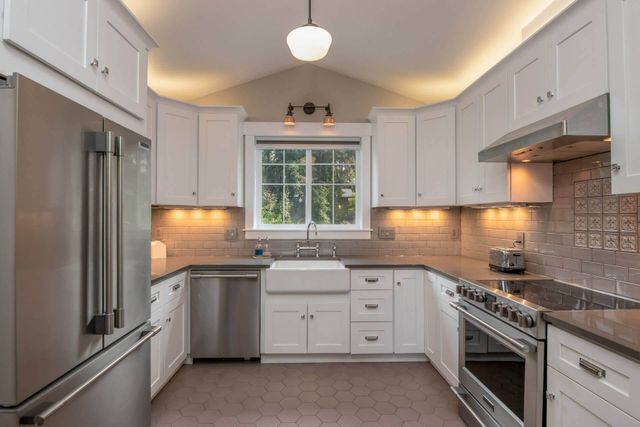
Credit: www.oceansidepaintingnj.com
Installation Expenses
Installation expenses play a big role in the total cost of kitchen cabinets. These costs cover more than just placing the cabinets in your kitchen. Proper installation takes skill and careful work. The process can affect the durability and look of your cabinets. Let’s explore key reasons why installation adds to the expense.
Professional Installation Fees
Most people hire experts to install kitchen cabinets. Professionals charge for their time and skill. They know how to fit cabinets properly and safely. Poor installation can cause damage and extra costs later. This is why paying for a trained installer is important.
Time And Precision Required
Installing cabinets is not quick. It takes several hours or even days. Every cabinet must be level and secure. Installers measure and adjust parts carefully. Small mistakes can cause problems with doors and drawers. This precise work needs patience and experience.
Potential Structural Modifications
Sometimes the kitchen needs changes before cabinets fit well. Walls might need reinforcing or moving. Plumbing and electrical lines can require adjustment. These modifications add to the installation cost. They ensure the cabinets fit safely and work properly.
Market Factors
Market factors play a big role in the high cost of kitchen cabinets. Prices reflect more than just materials and labor. Various external elements affect supply, demand, and overall expenses.
Understanding these market forces helps explain why cabinets often come with a high price tag.
Supply Chain Challenges
Supply chains face disruptions that raise cabinet costs. Raw materials can be scarce or delayed. Transport costs rise with fuel prices and shipping issues. Factories may slow production due to worker shortages or equipment problems. These delays add to the final cabinet price.
Brand Reputation And Pricing
Well-known brands charge more for their cabinets. Customers trust these brands for quality and style. This trust allows brands to set higher prices. Brand reputation reflects years of experience and design innovation. Buyers often pay extra for reliability and warranty support.
Regional Price Variations
Cabinet prices differ by location. Urban areas often have higher costs due to higher rents and wages. Remote locations may face increased shipping fees. Local demand and competition also affect prices. These regional factors create noticeable price differences.
Long-term Value
Kitchen cabinets are a big investment. Their cost may seem high at first. Yet, they offer long-term value that saves money over time. Quality cabinets last many years. They keep your kitchen functional and beautiful. This value matters for homeowners thinking about future expenses and home resale.
Durability And Lifespan
Good cabinets use strong materials like solid wood. They resist damage from daily use and moisture. Cabinets with sturdy hinges and drawer slides work smoothly for years. Cheap cabinets often break or wear out fast. Strong cabinets reduce the need for early replacement. This durability makes the initial cost worthwhile.
Impact On Home Resale Value
Nice cabinets can increase your home’s market price. Buyers see a well-kept kitchen as a big plus. Cabinets in good shape show the home is cared for. New or upgraded cabinets attract more interest from buyers. This can lead to higher offers. Spending on cabinets can pay off when selling your home.
Maintenance And Repair Costs
High-quality cabinets need less fixing over time. Their surfaces resist scratches and stains better. Repairs on cheap cabinets may cost more often. Well-built cabinets keep hardware intact and doors aligned. This lowers ongoing maintenance expenses. Saving on repairs adds to the overall value of good cabinets.
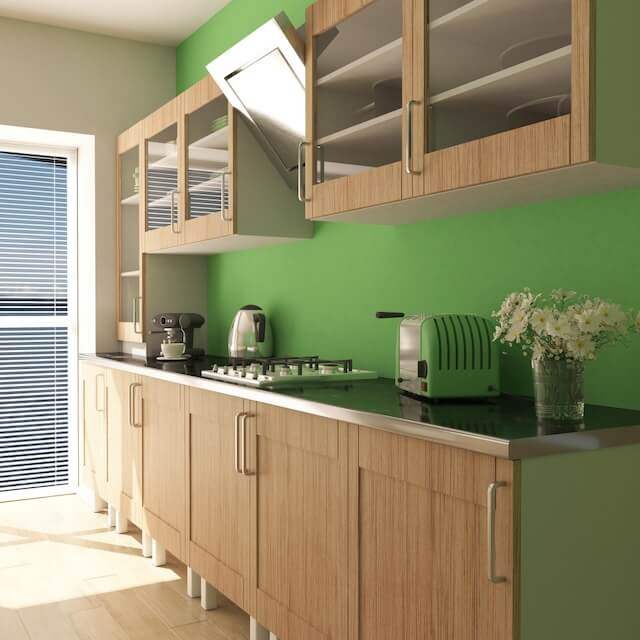
Credit: abodian.com
Frequently Asked Questions
Why Are Kitchen Cabinets So Costly To Produce?
Kitchen cabinets require quality materials, skilled labor, and detailed craftsmanship. Custom designs and durable finishes add to production costs, increasing overall prices.
How Do Materials Affect Kitchen Cabinet Prices?
High-quality woods and specialized materials cost more. Durable, attractive finishes and hardware also raise cabinet expenses significantly.
Does Customization Increase Kitchen Cabinet Expenses?
Yes, custom sizes, styles, and features require extra labor and materials, making cabinets more expensive than standard options.
Are Installation Costs Included In Kitchen Cabinet Prices?
Often, installation is separate and adds to total costs. Professional fitting ensures durability and proper cabinet function.
Conclusion
Kitchen cabinets cost a lot due to materials, design, and labor. Quality wood and hardware raise prices. Skilled workers take time to build and install cabinets. Custom designs add to the overall expense. Durability and style also matter to many buyers.
Spending on good cabinets means lasting value for your home. Think of it as an investment, not just a purchase. Understanding these reasons helps explain why prices stay high. Choose wisely to get cabinets that fit your needs and budget.

As the chief content writer, Hassan Al Sarker works as a professional kitchen-based content creator at Kitchen Liker.
In addition to reviewing the content published on Kitchen Liker, he ensures that it is accurate, relevant, and helpful. As a result, all the reviews and information published at Kitchen Liker are neutral and userfriendly.
Hassan Al Sarker has a bachelor’s degree in Hotel and Tourism Management From the Newyork University. Before joining Kitchen Liker, he was a contributor at Kitchen Club, United States.