
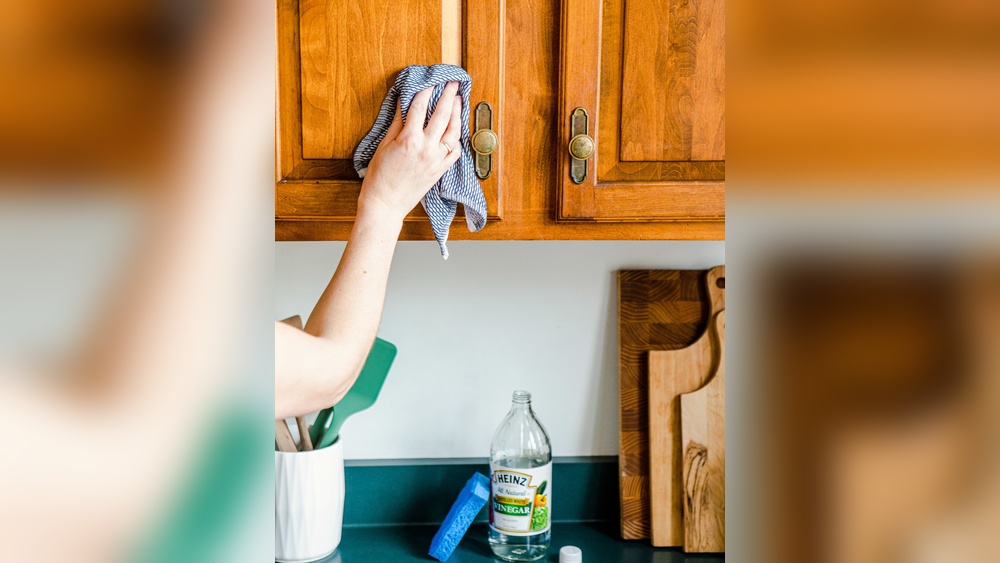
Are your wood kitchen cabinets looking dull or greasy? You want them to shine and feel fresh, but cleaning wood can be tricky.
If you use the wrong products or methods, you might damage the finish or leave stubborn stains behind. Don’t worry—you’re about to discover simple, effective ways to clean your wood cabinets without stress. By the end of this article, you’ll know exactly how to bring back their natural beauty and keep them looking great for years.
Ready to make your kitchen sparkle? Let’s get started!
:max_bytes(150000):strip_icc()/how-to-clean-wood-kitchen-cabinets-0123-2000-641e7e2dcbdc4518a80417c66e2e9194.jpg)
Credit: www.marthastewart.com
Choosing The Right Cleaning Products
Choosing the right cleaning products for wood kitchen cabinets is very important. The wrong product can damage the wood or remove its finish. Cleaners should be gentle yet effective. Knowing what to use helps keep cabinets beautiful and lasting longer.
Natural Vs. Commercial Cleaners
Natural cleaners use ingredients from nature, like vinegar, lemon, or baking soda. They are safe for most wood surfaces and avoid harsh chemicals. These cleaners work well on light dirt and grease.
Commercial cleaners are made for tougher stains and heavy buildup. They often have special ingredients to protect wood finishes. Some products can clean better but may contain chemicals. Always read labels and test a small area first.
Avoiding Harsh Chemicals
Harsh chemicals can strip the wood’s finish and cause discoloration. Avoid products with bleach, ammonia, or strong acids. These can dry out or crack the wood over time.
Choose mild soaps or cleaners made for wood. Use a soft cloth or sponge to clean gently. This approach protects the cabinet’s surface and keeps wood healthy.
:max_bytes(150000):strip_icc()/SPR-how-to-clean-wood-cabinets-7964253-03-f3fe8f0b0c4f4d4abe94e018e4e87768.jpg)
Credit: www.thespruce.com
Preparing Your Cabinets For Cleaning
Preparing your wood kitchen cabinets for cleaning is an important first step. It makes the cleaning process easier and more effective. Taking time to get ready helps avoid damage and keeps the kitchen neat. Follow simple steps to prepare your cabinets well.
Removing Items And Dusting
Start by taking out all items from your cabinets. Empty shelves and drawers completely. This clears the space and prevents items from getting wet or dirty. Use a soft cloth or a duster to remove dust and loose dirt. Dusting before cleaning stops grime from spreading. Pay attention to corners and edges where dust builds up.
Protecting Surrounding Areas
Next, protect areas around your cabinets. Place towels or old cloths on countertops and floors. This catches drips or spills during cleaning. Cover nearby appliances to keep them safe. Protecting these areas saves time on extra cleaning later. It also prevents water damage to other surfaces.
Step-by-step Cleaning Process
Cleaning wood kitchen cabinets can keep them looking fresh and new. A simple step-by-step process makes this task easy. Follow these steps to clean your cabinets safely and effectively.
Mixing The Cleaning Solution
Start by preparing a gentle cleaning solution. Mix warm water with a few drops of mild dish soap. Avoid harsh chemicals that can damage wood. Stir the mixture well until bubbles form. Use this solution to clean your cabinets gently.
Wiping Down Surfaces
Dip a soft cloth into the solution and wring it out well. Wipe the cabinet surfaces slowly and carefully. Clean all the corners and edges where dust hides. Use a dry cloth to remove any moisture. This step helps prevent water damage to the wood.
Cleaning Cabinet Hardware
Remove knobs and handles if possible. Soak them in warm, soapy water for a few minutes. Use a soft brush to scrub away dirt and grease. Rinse and dry the hardware completely before putting it back. Clean hardware keeps cabinets looking neat and polished.
Tackling Stubborn Stains And Grease
Stubborn stains and grease on wood kitchen cabinets can be tough to remove. These marks often come from cooking splashes and daily use. Cleaning them needs gentle but effective methods to protect the wood finish. Using simple household ingredients can help clean without damage.
Two popular options are baking soda paste and vinegar solutions. Both work well to break down grease and lift stains. They are safe, natural, and easy to prepare at home.
Using Baking Soda Paste
Baking soda is a mild abrasive that cleans without scratching wood. Mix baking soda with a small amount of water to form a thick paste. Apply the paste to the stained area using a soft cloth. Gently rub the stain in a circular motion. Let it sit for a few minutes to loosen grease. Wipe off the paste with a damp cloth. Dry the cabinet surface with a clean towel. Repeat if the stain remains, but avoid harsh scrubbing.
Applying Vinegar Solutions
White vinegar helps dissolve grease and grime naturally. Mix equal parts of white vinegar and water in a spray bottle. Lightly spray the solution on the stained cabinet surface. Use a soft cloth to wipe the area gently. Vinegar breaks down oily residues without harming wood. Rinse the cloth in clean water and wipe again to remove vinegar smell. Dry the wood immediately to prevent moisture damage. Vinegar is a simple, effective cleaner for tough kitchen stains.
Drying And Polishing Cabinets
Drying and polishing wood kitchen cabinets is a vital step after cleaning. It helps to prevent water damage and keeps the wood looking fresh. Proper drying stops moisture from seeping into the wood. Polishing adds a smooth, shiny finish that enhances the cabinet’s beauty.
Choose the right materials and techniques to protect your cabinets. This care extends their life and maintains their natural charm.
Choosing The Right Cloth
Select a soft, lint-free cloth for drying and polishing. Microfiber cloths work best. They absorb moisture without scratching the wood surface. Avoid rough or abrasive materials. These can damage the finish and leave marks.
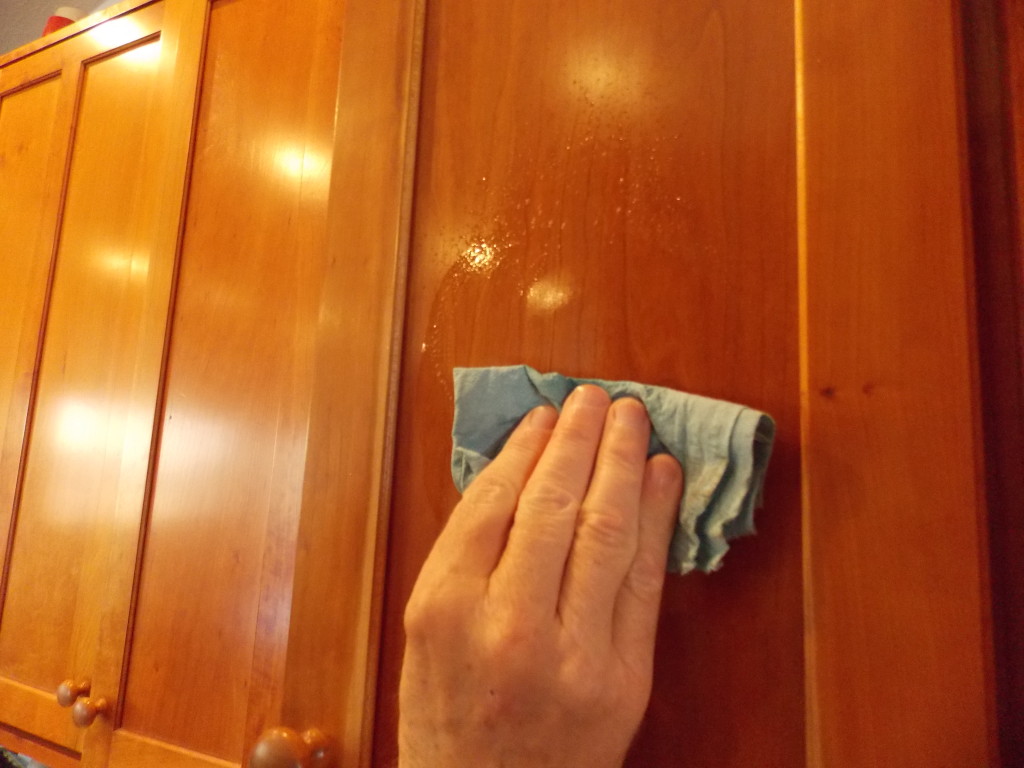
Use a clean cloth to prevent dirt from spreading. Gently wipe the cabinets to remove all moisture. Don’t rush this step. Proper drying prevents spots and streaks.
Enhancing Shine With Oils
Wood oils can restore the natural shine of your cabinets. Use oils designed for wood furniture. Apply a small amount on a cloth, not directly on the cabinet. Rub the oil gently into the wood grain.
Oils nourish the wood and protect it from drying out. They also enhance the color and texture. Let the oil absorb for a few minutes. Then buff the surface with a dry cloth for a smooth finish.
Maintaining Clean Cabinets
Maintaining clean wood kitchen cabinets keeps your kitchen fresh and inviting. Clean cabinets also last longer and look better. Simple habits can protect the wood from damage and dirt buildup.
Regular Cleaning Schedule
Set a weekly time to clean your cabinets. Use a soft cloth and mild soap with water. Wipe gently to remove grease and dust. Avoid harsh chemicals that can strip the finish. Dry cabinets with a clean cloth to stop water damage.
For sticky spots, use a mixture of vinegar and water. Test this on a small hidden area first. Clean handles and edges often since they get dirty faster. A regular schedule stops grime from settling in.
Preventing Damage And Wear
Keep cabinets away from direct heat and moisture. Use exhaust fans while cooking to reduce steam and grease. Avoid using abrasive scrubbing pads that scratch the wood. Open windows for airflow to prevent moisture buildup.
Use coasters or mats under items stored inside cabinets. This stops stains and scratches on shelves. Fix loose hinges and handles quickly to avoid bigger problems. Careful use and simple steps help your cabinets stay beautiful.
Credit: www.oldenglishdoors.co.uk
Frequently Asked Questions
How Often Should I Clean Wood Kitchen Cabinets?
Clean wood kitchen cabinets every two weeks to prevent buildup. Wipe spills immediately to avoid stains and damage. Regular cleaning maintains the cabinet’s finish and appearance, extending its life and keeping your kitchen fresh.
What Is The Best Cleaner For Wood Cabinets?
Use a mild soap solution or a wood-specific cleaner. Avoid harsh chemicals or abrasive cleaners that can damage the finish. Always test the cleaner on a small area before full use to ensure it’s safe for your cabinets.
Can I Use Vinegar To Clean Wood Cabinets?
Yes, dilute vinegar with water to clean wood cabinets safely. Vinegar removes grease and grime without harming the wood finish. Avoid using undiluted vinegar, as it can dull the cabinet’s surface over time.
How Do I Remove Grease From Wood Cabinets?
Mix warm water with mild dish soap to cut grease. Use a soft cloth or sponge to gently clean the surfaces. Rinse with clean water and dry immediately to prevent moisture damage and streaks.
Conclusion
Cleaning wood kitchen cabinets keeps them looking fresh and new. Regular care stops dirt and grease build-up. Use gentle cleaners and soft cloths to protect wood surfaces. Avoid harsh chemicals that can damage the finish. Wipe spills quickly to prevent stains and warping.
Small efforts add up to long-lasting beauty. A clean kitchen feels welcoming and bright. Keep these tips in mind for easy cabinet care. Your kitchen deserves simple, safe cleaning routines every day.

As the chief content writer, Hassan Al Sarker works as a professional kitchen-based content creator at Kitchen Liker.
In addition to reviewing the content published on Kitchen Liker, he ensures that it is accurate, relevant, and helpful. As a result, all the reviews and information published at Kitchen Liker are neutral and userfriendly.
Hassan Al Sarker has a bachelor’s degree in Hotel and Tourism Management From the Newyork University. Before joining Kitchen Liker, he was a contributor at Kitchen Club, United States.