
Are you planning to upgrade your kitchen or design a new one? One key detail you can’t overlook is the height of your kitchen cabinets.
Getting the right height makes a big difference in comfort, functionality, and style. Too high or too low, and your daily cooking tasks can become frustrating. You’ll discover the standard height for kitchen cabinets and why it matters for your space.
Keep reading to find out how to make your kitchen both beautiful and easy to use every day.
Kitchen Cabinet Height Basics
Understanding kitchen cabinet height is key to a comfortable and efficient kitchen. Proper height helps you reach items easily and work without strain. This section covers basic heights and how they change by cabinet type.
Standard Height Measurements
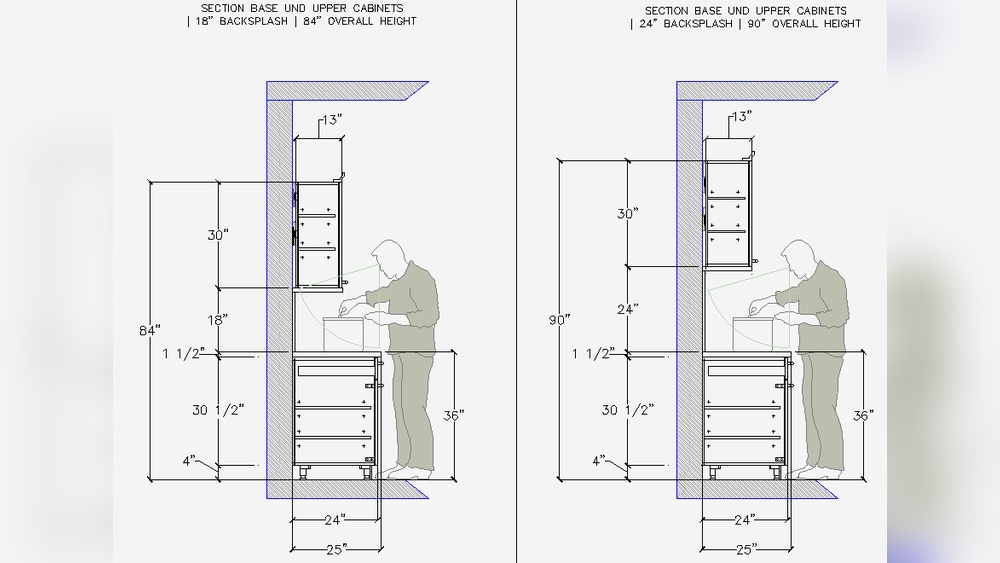
Most base kitchen cabinets stand 34.5 inches tall. This height usually fits well with a 1.5-inch thick countertop. Together, they reach about 36 inches, a common work surface height. Wall cabinets often measure 30 inches high. This size offers enough storage without blocking sight lines. The standard distance between the countertop and wall cabinets is 18 inches. This space allows room for appliances and workspace comfort.
Variations By Cabinet Type
Base cabinets come in different heights for special needs. For example, cabinets for wheelchair users might be lower. Tall cabinets, like pantry units, can be 84 to 96 inches tall. Wall cabinets also vary in height, from 12 inches for small storage to 42 inches for more space. Adjustments depend on kitchen size, ceiling height, and user comfort. Always measure your space and needs before choosing cabinet heights.
Base Cabinet Heights
Base cabinet heights set the foundation for kitchen design and comfort. These cabinets hold your countertop and store your kitchen tools. The height must suit daily tasks like cooking and cleaning. Proper height prevents back strain and improves kitchen flow.
Typical Dimensions
The standard base cabinet height is 34.5 inches. This includes the cabinet box without the countertop. Adding a countertop, usually 1.5 inches thick, brings the total height to 36 inches. This height fits most kitchen users comfortably. Some kitchens adjust height slightly for specific needs.
Impact On Countertop Height
Base cabinet height directly affects countertop height. A 36-inch countertop height is common for ease of use. Taller people may prefer higher countertops, while shorter users may want lower ones. Proper height helps avoid bending or stretching. It also supports ergonomic kitchen work.
Wall Cabinet Heights
Wall cabinet heights play a key role in kitchen design. They affect storage space and kitchen workflow. Choosing the right height ensures cabinets fit well above counters and appliances. Proper height also keeps kitchens looking balanced and tidy.
Common Sizes
Most wall cabinets range from 12 to 42 inches tall. The most popular heights are 30, 36, and 42 inches. Taller cabinets offer more storage but can be harder to reach. Shorter cabinets create an open feel but hold less stuff. The choice depends on kitchen size and user needs.
Spacing From Countertops
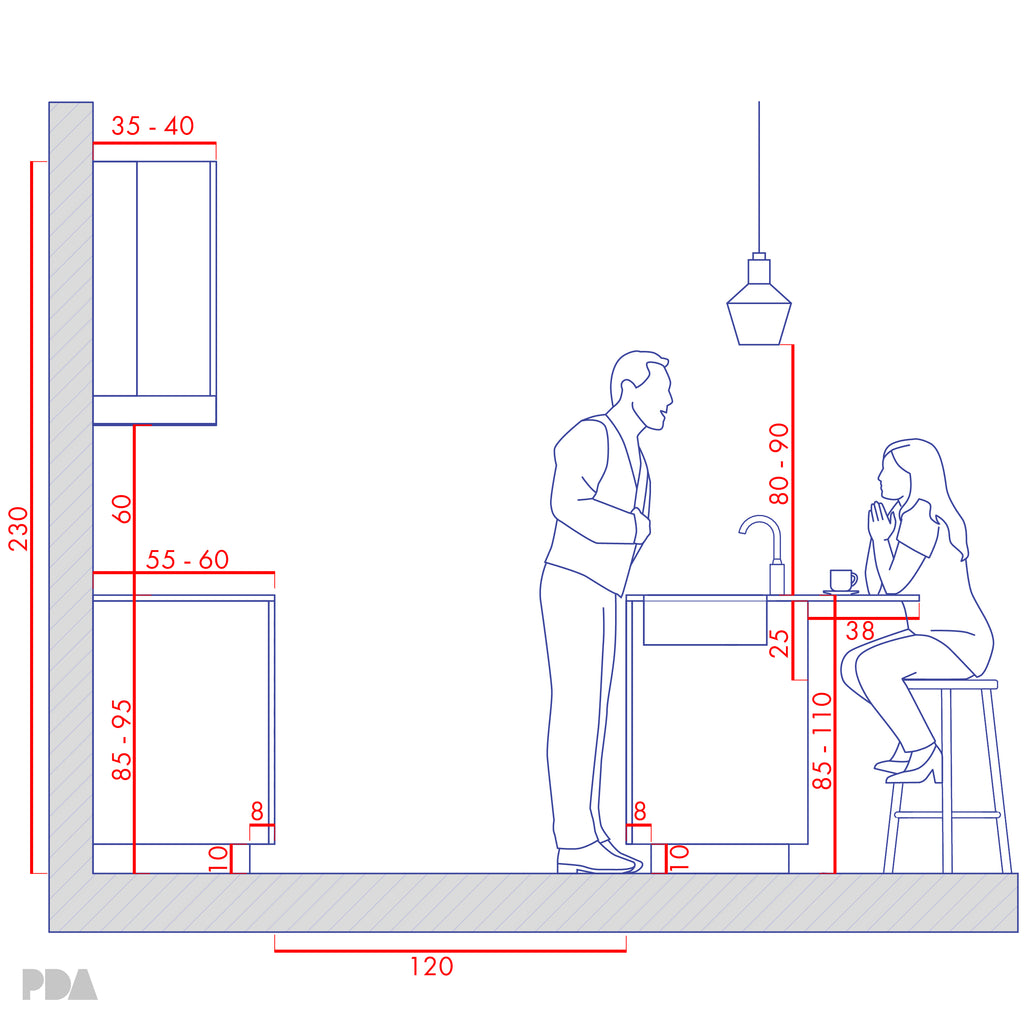
Standard spacing between the countertop and wall cabinets is 18 inches. This gap provides enough room for appliances and workspace below. It also makes the kitchen feel less cramped. Some kitchens use 15 or 20 inches, but 18 inches is most common. Proper spacing keeps the kitchen practical and safe.

Credit: pelicancr.com
Tall Cabinet Heights
Tall cabinets add extra storage space in kitchens. They reach from the floor to near the ceiling. This design helps keep kitchens tidy and organized.
Tall cabinets often store food, cleaning tools, or large kitchen items. Their height varies, but they usually measure between 84 and 96 inches tall. Choosing the right height depends on your kitchen size and ceiling height.
Pantry And Utility Cabinets
Pantry cabinets store dry food, cans, and boxes. They are often tall to hold many items. Standard pantry cabinets are usually 84 to 96 inches high.
Utility cabinets hold cleaning supplies or kitchen tools. These cabinets also follow the same height range. They help keep cleaning items hidden and organized in the kitchen.
Custom Vs Standard Heights
Standard tall cabinets come in heights like 84, 90, or 96 inches. These sizes fit most kitchens and ceilings well. They are easier to install and cost less.
Custom cabinets allow for unique heights. This option fits unusual ceiling heights or specific storage needs. Custom cabinets can use all available space but may cost more and take longer to build.
Ergonomics And Comfort
Ergonomics and comfort play a key role in kitchen cabinet design. Cabinets set at the right height make cooking and cleaning easier. They help reduce strain on the back, neck, and shoulders. A well-planned kitchen feels more comfortable and safer to use. This section explains how cabinet height affects different users and how to adjust for better accessibility.
Ideal Heights For Different Users
Standard kitchen cabinet height is usually about 36 inches from the floor. This suits most adults of average height. Taller people might find this too low, causing them to bend often. Shorter users may need cabinets set lower to reach easily. Kids and elderly users need special attention too. Customizing cabinet height helps everyone work comfortably in the kitchen.
Adjusting For Accessibility
Kitchens must serve all users, including those with disabilities. Lowering cabinet heights can help wheelchair users reach items easily. Pull-out shelves and drawers reduce the need for stretching. Installing cabinets with adjustable heights offers flexibility. Small changes in cabinet design improve accessibility greatly. A kitchen that adapts to users becomes more practical and welcoming.

Credit: vhomedesign.com.my
Design Considerations
Designing kitchen cabinets involves more than choosing a height. It requires careful thought about how the space will look and work. The right design helps make cooking easy and keeps the kitchen stylish. Considerations include how the cabinets fit with the room and how you use the kitchen daily.
Balancing Function And Style
Kitchen cabinets must be useful and nice to see. The height should let you reach items easily without strain. Cabinets too tall or short can cause discomfort. Style matters, too. Choose colors and shapes that match your kitchen theme. A balanced design keeps the kitchen looking neat and working well.
Matching Cabinets With Appliances
Cabinets and appliances should fit well together. The height of cabinets affects how appliances fit underneath or beside them. For example, make sure the microwave or oven is easy to access. This avoids awkward bending or stretching. Proper alignment keeps the kitchen safe and comfortable to use.
Installation Tips
Installing kitchen cabinets at the right height makes your kitchen look good and work well. Proper installation avoids problems like uneven surfaces or misaligned doors. Follow some simple tips to ensure your cabinets fit perfectly and last long.
Measuring And Leveling
Start by measuring your wall space carefully. Use a tape measure to mark the exact height for the cabinet bottom. The standard height is usually 54 inches from the floor to the top of the base cabinets. Use a level tool to draw a straight line across the wall. This line guides you during installation. Check for any bumps or uneven spots on the wall and fix them before mounting the cabinets.
Common Mistakes To Avoid
Do not guess measurements or skip leveling steps. Avoid installing cabinets too high or too low. This can make your kitchen uncomfortable to use. Skip rushing the job; take your time. Do not ignore wall studs; always attach cabinets to studs for strong support. Avoid using damaged or warped cabinets. These cause alignment problems and look bad. Check all parts before installation to save time and effort.
Credit: postdigitalarchitecture.com
Custom Cabinet Heights
Custom cabinet heights allow you to design kitchen storage that fits your space perfectly. Standard heights may not work for every kitchen layout or user needs. Custom sizes can help maximize space and improve comfort in your kitchen.
When To Choose Custom Sizes
Choose custom cabinet heights if your ceilings are very high or low. Small kitchens with unusual layouts also benefit from custom sizes. People who are taller or shorter than average may find custom heights easier to use. Custom cabinets help fit appliances and fixtures that do not match standard sizes.
Benefits And Drawbacks
Custom cabinets give you more control over your kitchen design. They use space efficiently and improve accessibility. You can match cabinets to your style and needs exactly. Custom cabinets tend to cost more than standard ones. They take longer to build and install. Finding replacements or additions can be harder with custom sizes.
Frequently Asked Questions
What Is The Standard Height For Base Kitchen Cabinets?
The standard height for base kitchen cabinets is typically 34. 5 inches. This height allows comfortable workspace and fits most kitchen countertops. It supports ergonomic cooking and prep activities for average adults.
How Tall Are Wall Kitchen Cabinets Usually?
Wall kitchen cabinets usually have a standard height of 30 inches. This height balances storage space and accessibility. It fits well above the countertop and below the ceiling in most kitchens.
Why Is Cabinet Height Important In Kitchen Design?
Cabinet height affects comfort, efficiency, and kitchen aesthetics. Proper height prevents strain during cooking and cleaning. It also ensures optimal storage and a visually balanced kitchen layout.
Can Kitchen Cabinet Height Be Customized?
Yes, kitchen cabinet height can be customized to suit user needs. Custom heights accommodate different user heights and unique kitchen layouts. This enhances comfort and accessibility.
Conclusion
Choosing the right kitchen cabinet height matters for comfort and style. Standard heights work well for most people and kitchens. Adjustments can fit your needs and space better. Remember, good measurements help avoid problems later. A well-planned kitchen feels easy and pleasant to use.
Keep these tips in mind when planning or remodeling. Your kitchen will look balanced and function smoothly. Simple steps lead to a better kitchen experience every day.

As the chief content writer, Hassan Al Sarker works as a professional kitchen-based content creator at Kitchen Liker.
In addition to reviewing the content published on Kitchen Liker, he ensures that it is accurate, relevant, and helpful. As a result, all the reviews and information published at Kitchen Liker are neutral and userfriendly.
Hassan Al Sarker has a bachelor’s degree in Hotel and Tourism Management From the Newyork University. Before joining Kitchen Liker, he was a contributor at Kitchen Club, United States.