
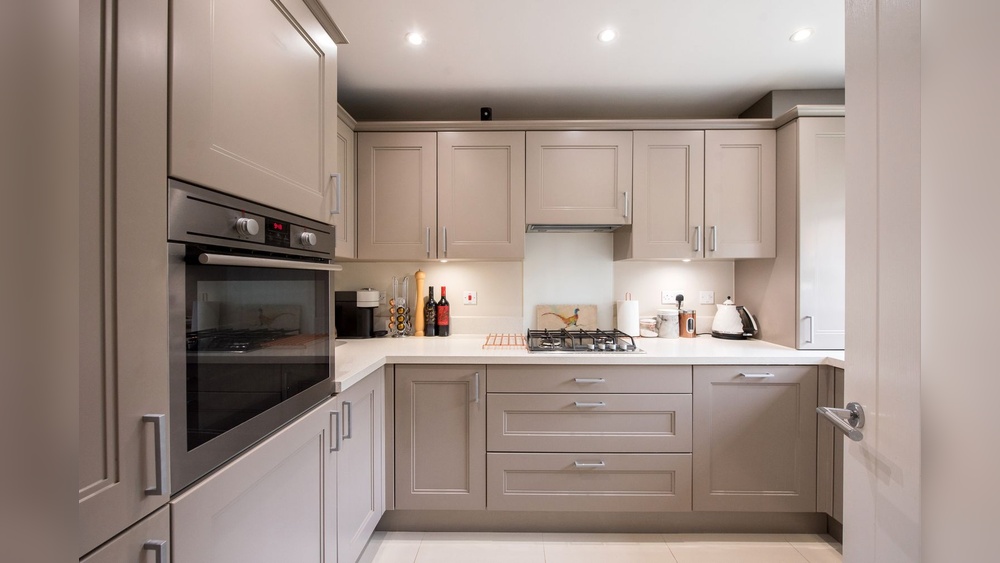
Choosing the right material for your kitchen cabinets can make a huge difference in how your kitchen looks and feels. You want something that lasts, looks great, and fits your lifestyle.
But with so many options out there, it’s easy to feel overwhelmed. What if you pick the wrong material and regret it later? Don’t worry—this guide will help you understand the best materials for kitchen cabinets so you can make a confident choice.
Keep reading to find out which options match your needs and style perfectly.
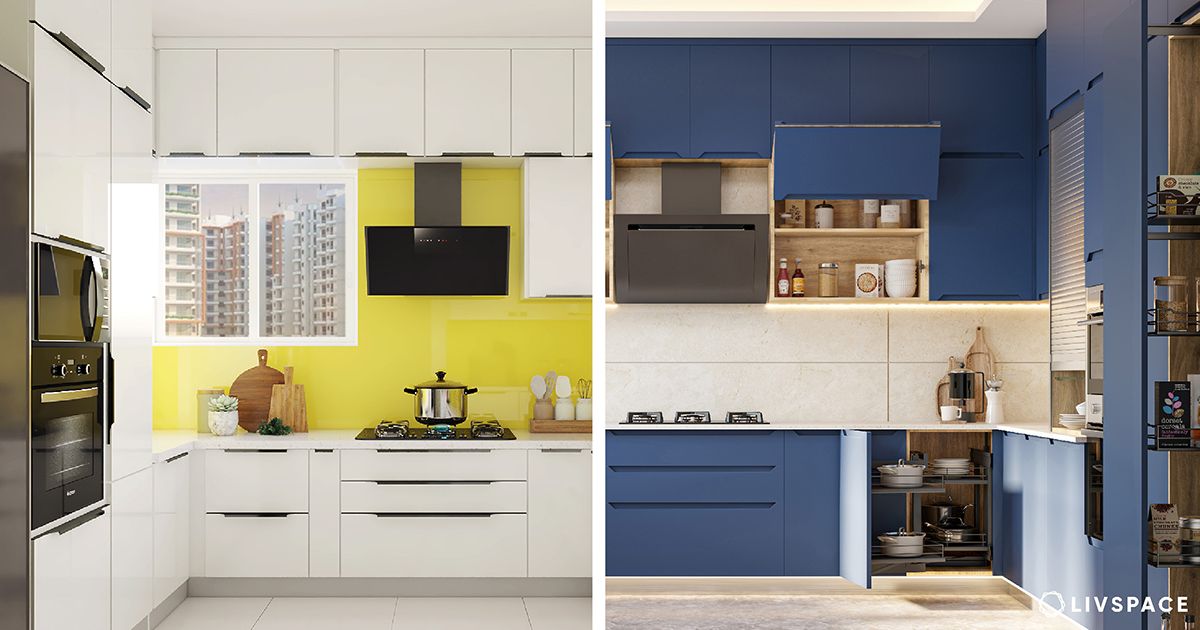
Credit: www.livspace.com
Types Of Kitchen Cabinet Materials
Choosing the right material for kitchen cabinets affects durability and style. Each material has unique features and costs. Knowing the options helps pick the best fit for your kitchen needs.
This guide covers common kitchen cabinet materials. Learn what makes each one special and how it performs in daily use.
Solid Wood
Solid wood is strong and long-lasting. It offers a classic and warm look. You can sand and refinish it to fix scratches. Different wood types like oak, maple, and cherry provide various colors and grain patterns. Solid wood is pricier but adds great value to your kitchen.
Plywood
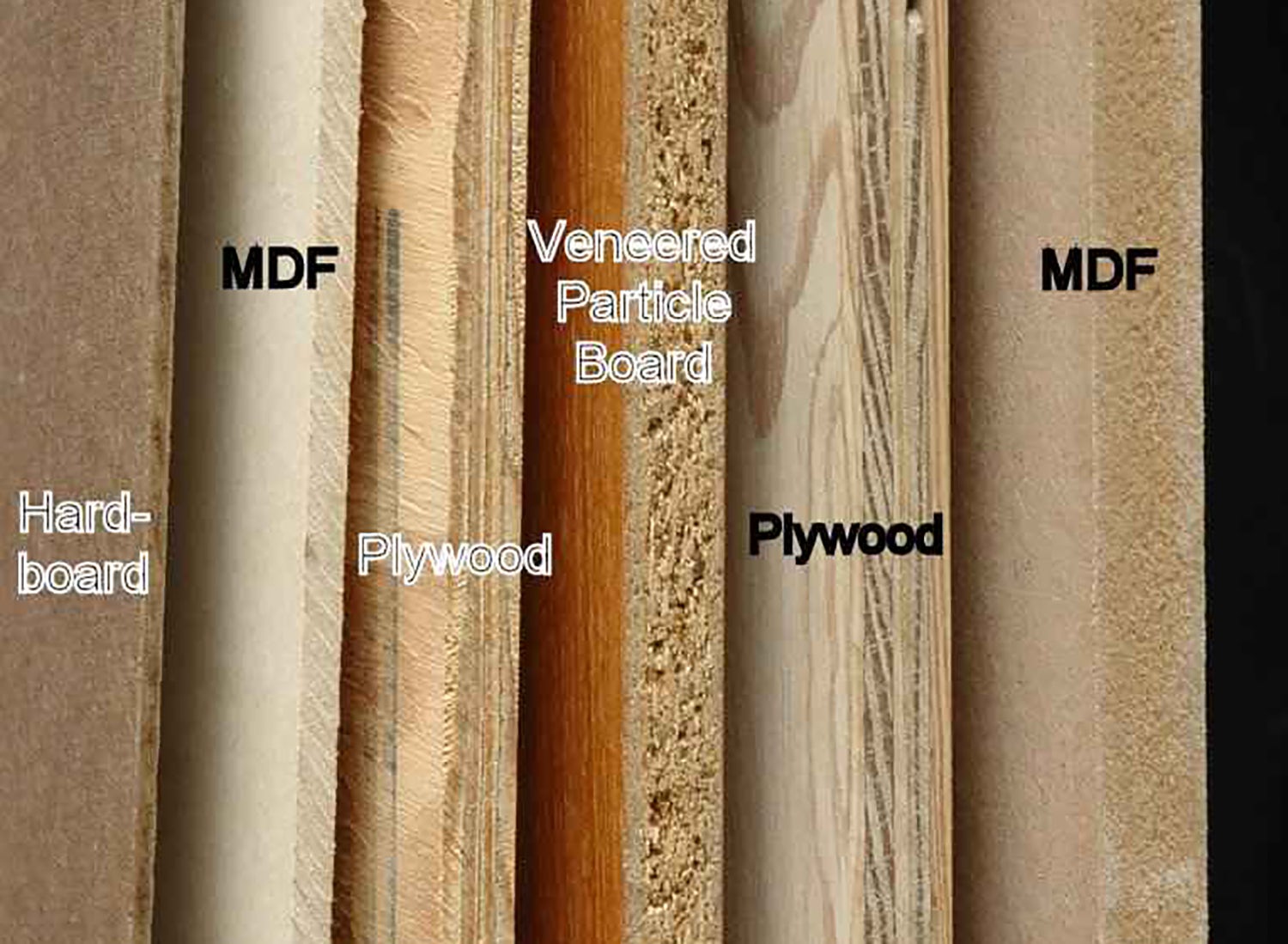
Plywood is made by gluing thin wood layers. It is stable and resists warping better than solid wood. Plywood is lighter and less expensive. It holds screws well, making it a good choice for cabinet boxes. The surface often gets a wood veneer for a natural look.
Medium-density Fiberboard (mdf)
MDF is made from wood fibers pressed with resin. It has a smooth surface ideal for painting. MDF does not crack or warp easily. It is affordable and works well for cabinet doors and panels. Keep MDF away from water to prevent swelling.
Particleboard
Particleboard is made from wood chips and glue. It is the cheapest option but less durable. Particleboard cabinets often have a laminate or veneer cover. It is lighter but can swell if exposed to moisture. Best for low-budget kitchens with light use.
Metal Cabinets
Metal cabinets offer a modern and sleek look. Stainless steel is popular for its strength and easy cleaning. Metal resists water and heat well. It does not chip or crack like wood. Metal cabinets can be noisy and may dent over time.
Laminate And Thermofoil
Laminate cabinets have a plastic surface over wood or MDF. They come in many colors and patterns. Laminate is easy to clean and resists stains. Thermofoil is a vinyl layer heated onto MDF. It creates a smooth, seamless finish. Both are budget-friendly but can peel or chip with time.
Durability And Longevity
Durability and longevity are key factors in choosing kitchen cabinet materials. Cabinets face daily use, spills, and temperature changes. The right material stands strong over time without losing its charm. Understanding how materials resist damage helps make a smart choice for your kitchen.
Wear And Tear Resistance
Kitchen cabinets must handle constant use. Materials like hardwood and plywood resist dents and chips well. Laminates also offer good protection against scratches. Durable surfaces keep cabinets looking fresh for years.
Moisture And Heat Tolerance
Kitchens have high humidity and heat from cooking. Materials like MDF with moisture-resistant coatings handle dampness better. Solid wood needs sealing to avoid warping. Heat-resistant finishes prevent damage near stoves and ovens.
Scratch And Impact Resistance
Scratches and bumps happen often in busy kitchens. Cabinets made from engineered wood or high-quality laminates resist marks better. Hard surfaces take impacts without cracking. This keeps your kitchen neat and sturdy over time.
Aesthetic Appeal
Kitchen cabinets shape the look of your kitchen. Their aesthetic appeal sets the tone for the entire space. Choosing the right material affects how cabinets look and feel. Different materials bring unique styles and moods. This section explores three key aspects of cabinet aesthetics: grain and texture, color options, and customization possibilities.
Grain And Texture Variations
Wood cabinets show natural grain patterns. These grains add warmth and character. Some woods have smooth, fine grains. Others display bold, rough textures. Veneer and laminate options mimic wood grain too. Texture can create a rustic or modern look. It influences how light reflects on surfaces. Grain and texture give cabinets personality and depth.
Color Options And Finishes
Materials come in many colors. Wood stains enhance natural tones. Paint offers bright or soft hues. Laminates provide a wide color palette. Matte, glossy, or satin finishes change the feel. Dark finishes add elegance and drama. Light finishes bring freshness and openness. Color and finish make cabinets fit your style perfectly.
Customization Possibilities
Some materials allow more design freedom. Solid wood can be carved or shaped. Paintable surfaces let you change colors easily. Laminates offer printed patterns and textures. Custom inserts and trims enhance style. Hardware choices complement cabinet materials well. Customization helps create a unique kitchen look. It matches your taste and lifestyle.
Maintenance And Cleaning
Maintenance and cleaning play a big role in choosing kitchen cabinet materials. Cabinets face spills, grease, and daily dirt. The right material should be easy to clean and keep looking new. It must also resist stains and allow simple repairs. These factors save time and keep your kitchen neat.
Ease Of Cleaning
Materials like laminate and thermofoil wipe clean with a damp cloth. They do not need special cleaners. Wood cabinets need gentle soap and water. Avoid harsh chemicals on wood to protect the finish. Smooth surfaces are easier to clean than textured ones.
Stain Resistance
Some materials resist stains better than others. Laminate and metal cabinets handle stains well. Wood may absorb spills if not sealed properly. Paint and varnish add extra protection to wood. Stain-resistant surfaces keep cabinets looking fresh longer.
Repair And Refinishing
Wood cabinets can be sanded and refinished to fix damage. Scratches and dents can be repaired at home. Laminate and metal are harder to fix if damaged. They may need full panel replacement. Choose materials that match your repair comfort level.
Cost Considerations
Cost is a major factor when choosing kitchen cabinet materials. It affects your budget and the overall look. Understanding costs helps pick the right option that fits your needs and wallet. Costs include the price of materials, installation, and long-term value.
Material Pricing
Cabinet materials vary widely in price. Solid wood is often the most expensive choice. MDF and plywood offer cheaper alternatives. Laminate and thermofoil are usually the most affordable. Prices depend on quality and finish. Choose a material that matches your budget without sacrificing durability.
Installation Costs
Installation fees depend on material and complexity. Solid wood cabinets may require skilled carpenters, raising costs. Prefabricated cabinets like laminate can be easier to install. Custom cabinets take longer and cost more to fit. Get multiple quotes to compare installation prices. A simple design reduces labor time and expense.
Long-term Value
Think about how long cabinets will last. Solid wood can last decades with care. Cheaper materials may need replacement sooner. Durable finishes resist scratches and moisture. Well-made cabinets improve home value. Investing in good cabinets saves money over time. Balance upfront cost with future durability.
Credit: architizer.com
Environmental Impact
Choosing the right material for kitchen cabinets affects the environment. Materials differ in how they impact forests, water, and energy use. Knowing these effects helps you pick cabinets that reduce harm and support a healthier planet.
Sustainability Of Materials
Sustainable materials come from sources that renew quickly and do not harm nature. Wood from well-managed forests is better than wood from old, untouched forests. Bamboo grows fast and uses less water, making it a strong choice. Avoid materials that cause deforestation or use a lot of energy to produce.
Recyclability
Materials that can be recycled reduce waste and save resources. Metal and glass cabinets can often be recycled easily. Wood cabinets can be reused or turned into mulch. Avoid materials that end up in landfills and do not break down naturally.
Eco-friendly Options
Eco-friendly cabinet options use less harmful chemicals and fewer resources. Look for cabinets with low or no toxic finishes. Some manufacturers use recycled materials or natural oils for finishes. These choices help keep your kitchen safe and reduce pollution.
Best Materials For Different Kitchen Styles
Choosing the right material for kitchen cabinets depends on the style of your kitchen. Each style has materials that fit best. These materials help create the look and feel you want. This guide shows the best materials for popular kitchen styles. It helps you pick the right one for your space.
Modern And Contemporary
Modern kitchens use sleek and smooth materials. Laminates and high-gloss finishes work well here. They offer a clean and shiny look. Metal cabinets add a cool, industrial touch. Glass fronts can open up the space. These materials match modern design’s simple lines and bold shapes.
Traditional And Classic
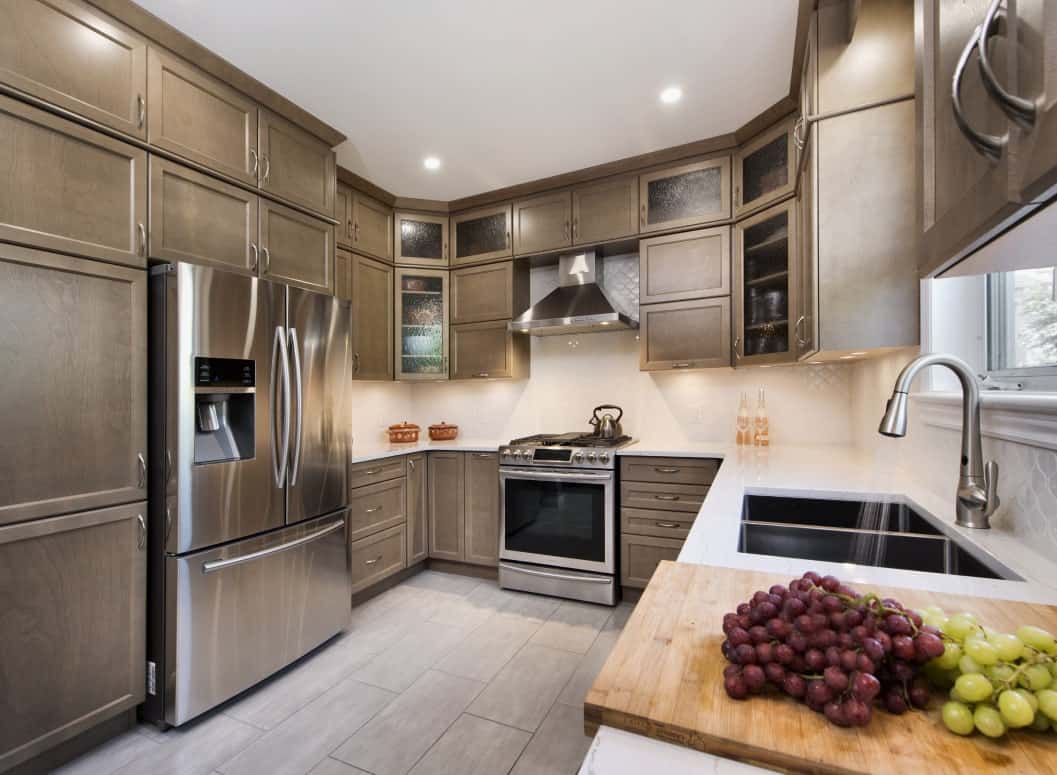
Wood is the best choice for traditional kitchens. Solid wood like oak, maple, or cherry looks warm and rich. Raised panel doors add a classic feel. Painted wood cabinets in soft colors also suit this style. These materials bring a timeless and cozy vibe.
Rustic And Farmhouse
Rustic kitchens need natural and rough textures. Reclaimed wood and distressed finishes fit perfectly. Knotty pine or alder wood adds character and charm. Open shelves and beadboard panels enhance the farmhouse look. These materials create a warm, lived-in atmosphere.
Minimalist Designs
Minimalist kitchens prefer simple and clean materials. Flat-panel cabinets in matte or wood veneer work well. Plywood and MDF with smooth finishes keep the look uncluttered. Neutral colors like white, gray, and beige suit this style. These materials help keep the space calm and tidy.
Expert Recommendations
Experts suggest choosing kitchen cabinet materials based on use, style, and budget. The material must handle daily wear and look good for years. Different kitchens need different solutions. Here are top picks from professionals for various needs.
Top Choices For High-traffic Kitchens
In busy kitchens, durability is key. Solid wood like maple and oak stands strong against scratches and dents. Plywood is another great option for its strength and resistance to warping. Cabinets with a laminate finish resist stains and moisture well. These materials keep cabinets looking fresh despite heavy use.
Budget-friendly Picks
For tight budgets, MDF (medium-density fiberboard) offers smooth surfaces at a low cost. It holds paint well and resists warping. Vinyl-wrapped cabinets provide moisture resistance and easy cleaning. Particleboard is the cheapest but less durable; it suits low-use areas. These materials balance cost with decent quality.
Premium Options
High-end kitchens benefit from hardwoods like cherry and walnut. These woods have rich colors and unique grains. Solid wood veneers add elegance while saving money. Metal cabinets provide a modern look and great durability. These premium materials combine style and strength for lasting beauty.
Credit: www.laurysenkitchens.com
Frequently Asked Questions
What Materials Are Best For Durable Kitchen Cabinets?
Solid wood and plywood are the most durable materials for kitchen cabinets. They resist warping and can withstand daily use. Engineered wood options like MDF offer affordability but may lack long-term durability. Choose materials based on your budget, style, and maintenance preferences.
How Do Cabinet Materials Affect Kitchen Design?
Cabinet materials influence the kitchen’s style, texture, and color options. Wood offers a classic look, while laminate provides modern finishes. Material choice impacts how the kitchen feels—warm and traditional or sleek and contemporary. Consider material aesthetics alongside functionality.
Are Solid Wood Cabinets Worth The Investment?
Yes, solid wood cabinets are worth the investment for longevity and timeless appeal. They can be refinished multiple times and add value to your home. Although pricier, solid wood cabinets offer superior strength and natural beauty compared to alternatives.
Which Cabinet Material Is Easiest To Maintain?
Laminate and thermofoil cabinets are easiest to maintain. They resist stains, scratches, and moisture, requiring minimal cleaning. Solid wood needs regular care and refinishing. Consider your lifestyle and maintenance willingness when selecting cabinet materials.
Conclusion
Choosing the best material for kitchen cabinets depends on your needs. Wood offers warmth and classic style. MDF provides smooth surfaces and is budget-friendly. Metal stands out for durability and a modern look. Consider moisture resistance for busy kitchens. Think about your style and how long cabinets should last.
Quality materials make your kitchen look better and last longer. Take your time to pick what fits your home best. The right choice makes cooking and cleaning more enjoyable.

As the chief content writer, Hassan Al Sarker works as a professional kitchen-based content creator at Kitchen Liker.
In addition to reviewing the content published on Kitchen Liker, he ensures that it is accurate, relevant, and helpful. As a result, all the reviews and information published at Kitchen Liker are neutral and userfriendly.
Hassan Al Sarker has a bachelor’s degree in Hotel and Tourism Management From the Newyork University. Before joining Kitchen Liker, he was a contributor at Kitchen Club, United States.