
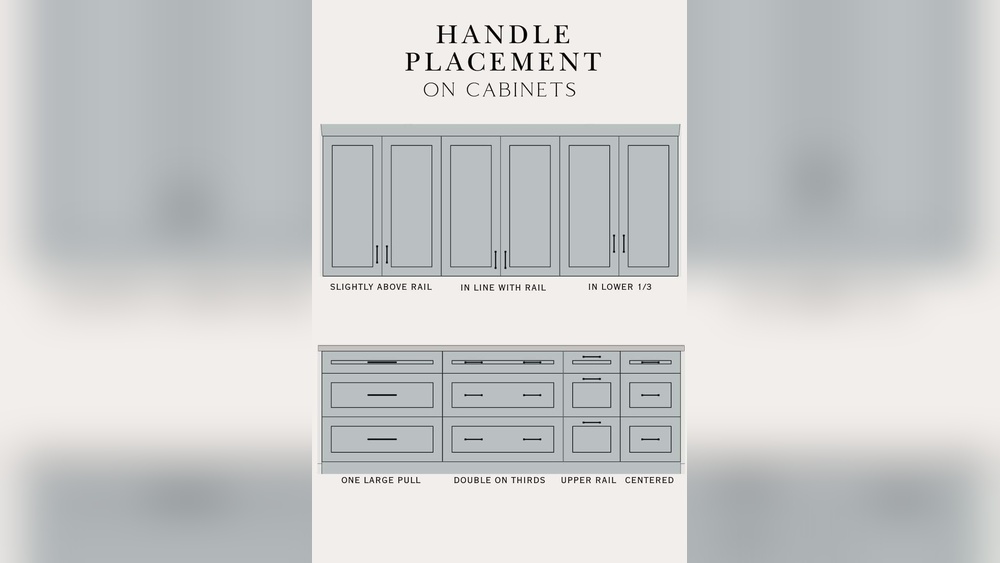
Choosing the right spot for handles on your kitchen cabinets might seem like a small detail, but it can change the whole look and feel of your kitchen. Where you place them affects how easy it is to open doors, how comfortable your kitchen feels, and even how stylish it looks.
If you want your kitchen to be both practical and beautiful, you need to get this just right. Keep reading, and you’ll discover simple tips that make a big difference in your kitchen’s design and function. Your perfect kitchen starts with the perfect handle placement.
Credit: www.apollopayroll.com
Choosing Handle Types
Choosing the right handle type for kitchen cabinets affects both function and look. Handles should be easy to use and match the kitchen style. Consider size, shape, and material before making a choice.
Knobs Vs Pulls
Knobs are small and round or square. They need less space and work well on small doors or drawers. Pulls are longer and easier to grab. They suit larger drawers and cabinets that need a firm grip. Pick knobs for a simple look and pulls for more control.
Material Options
Handles come in many materials like metal, wood, and plastic. Metal is strong and lasts long. It fits modern and classic kitchens. Wood adds warmth and works well in rustic or traditional spaces. Plastic handles are budget-friendly and come in many colors. Choose a material that fits your kitchen’s use and style.
Style Considerations
Handle style sets the kitchen’s tone. Sleek, straight handles give a modern feel. Ornate or vintage handles add charm and character. Match handle style with cabinet design for a balanced look. Think about the kitchen’s color and overall theme too.
Credit: taylorcraftdoor.com
Standard Handle Placement
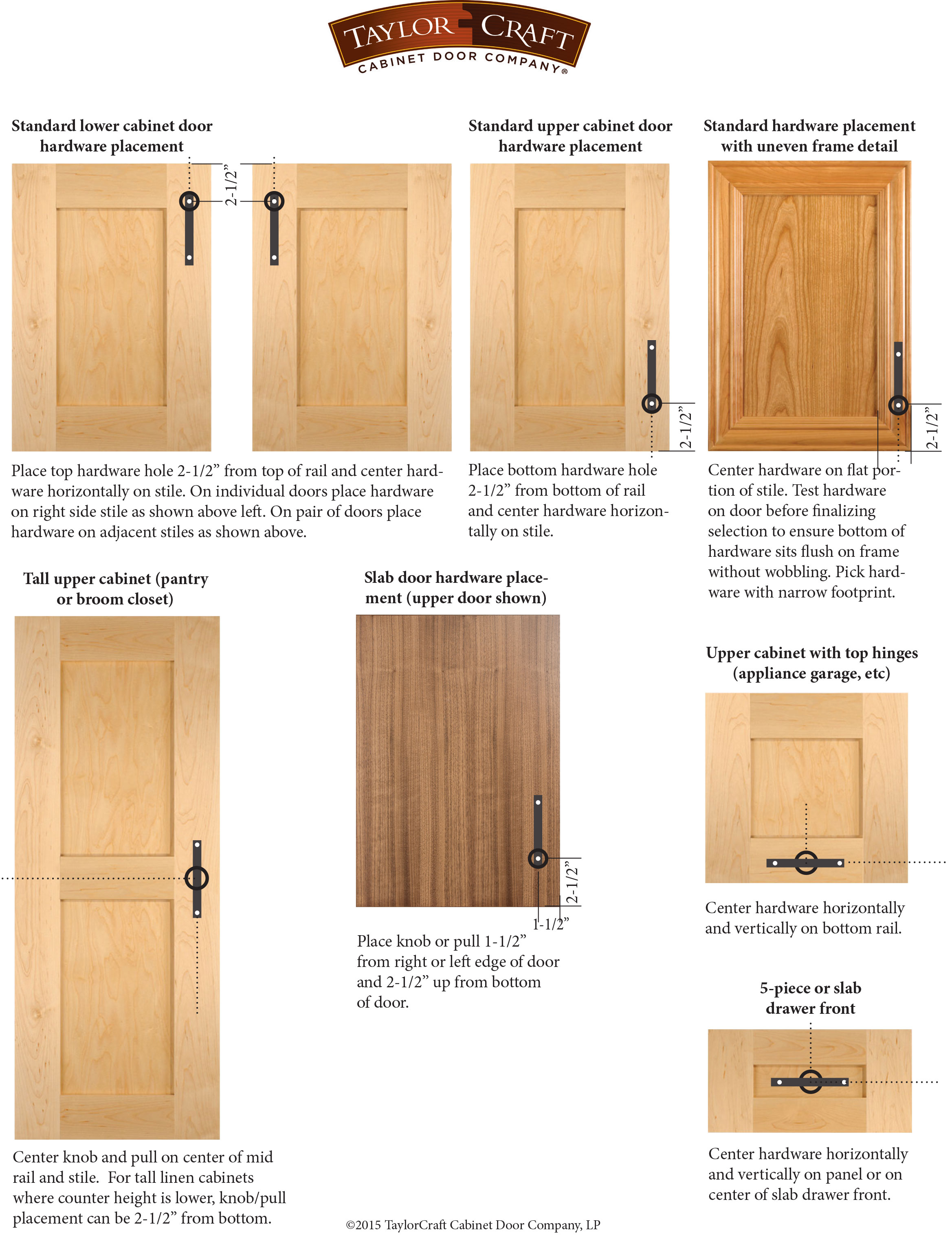
Choosing the right spot for cabinet handles makes your kitchen easy to use. Standard handle placement follows simple rules. These rules help handles feel natural to grab. Handles placed correctly improve both look and function. Below are common placements for upper cabinets, lower cabinets, and drawers.
Upper Cabinets
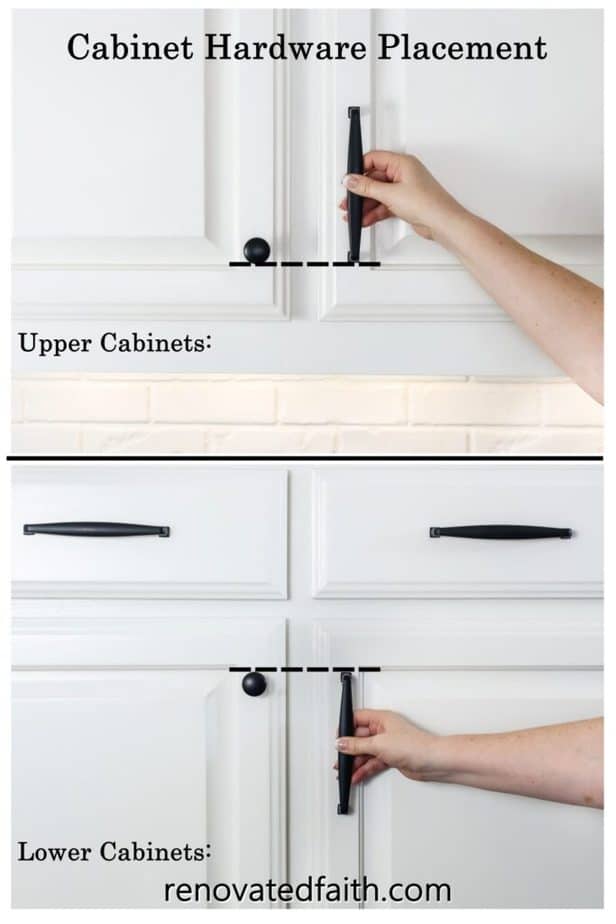
Place handles on the lower corner of upper cabinets. This spot is easy to reach. It lets you open doors with a natural hand movement. For right-handed people, place handles on the right side. For left-handed, place on the left side. Keep handles about 2 to 3 inches from the edge.
Lower Cabinets
Handles go near the top corner of lower cabinets. This area is quick to grab when standing. Position handles about 2 to 3 inches from the edge. This placement avoids bending or stretching. Consistency in placement helps your kitchen feel organized.
Drawer Handles
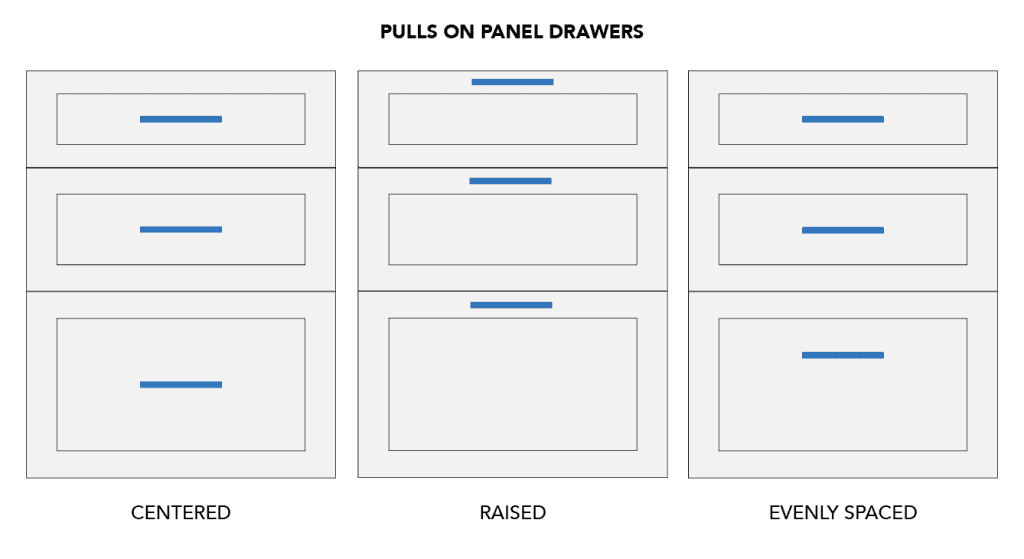
Place drawer handles in the center of the drawer front. This makes pulling easy and balanced. For larger drawers, two handles work well. Put them spaced evenly apart. Keep handles about 2 to 3 inches from the drawer edges for comfort.
Ergonomic Placement Tips
Placing handles on kitchen cabinets is not just about style. It is about comfort and ease. Ergonomic placement helps reduce strain and makes daily tasks smoother. Good handle placement improves kitchen flow and saves time.
Height Guidelines
Place handles at a height that feels natural to reach. For upper cabinets, handles should be near the bottom edge. For lower cabinets, place handles near the top edge. This helps avoid bending or stretching too much. Keep handles between 30 to 36 inches from the floor for most users.
Ease Of Use
Handles must be easy to grab and pull. Choose locations that match how hands naturally move. Avoid placing handles too close to the cabinet edge. This provides a better grip and less effort. Handles on drawers work best in the center or slightly off-center.
Avoiding Obstructions
Check for nearby appliances or fixtures before placing handles. Handles should not block light switches or outlets. Avoid spots where handles might bump into each other when cabinets open. Keep handles clear from stove or sink edges for safety. This prevents accidents and keeps the kitchen tidy.
Design Trends In Handle Placement
Design trends in handle placement shape the look and feel of kitchen cabinets. Choosing the right style and position creates a unique kitchen vibe. Trends evolve, mixing function with style. Here are popular approaches today that add charm and ease to kitchens.
Minimalist Approaches
Minimalist handle placement favors clean lines and simple looks. Handles often hide along the edges of cabinet doors. Some designs use slim bars or small knobs placed near the corner. This keeps the cabinet fronts smooth and neat. It suits modern kitchens aiming for a calm and tidy feel.
Bold And Decorative
Bold handles stand out as design features. Large, decorative pulls in metal or wood add character. These handles often sit in the center or at eye level on wide drawers. They bring a sense of luxury and style. This trend suits kitchens with classic or rustic themes.
Mix And Match Styles
Mixing handle styles adds interest and personality. Combining knobs with long bars or different colors creates a playful look. Handles may vary by cabinet type or size. This trend allows creativity and breaks uniformity. It works well in eclectic or contemporary kitchens.
Common Mistakes To Avoid
Choosing the right spot for kitchen cabinet handles seems simple. Many make common errors that affect style and use. Avoid these mistakes for a neat, practical kitchen.
Inconsistent Placement
Handles placed unevenly look messy and confuse users. Each handle should line up with others on the same row or column. Keep height and distance uniform for a clean look.
Ignoring Cabinet Size
Big cabinets need different handle placement than small ones. Place handles where they feel natural to reach. Too high or low makes opening doors hard and awkward.
Overcrowding Handles
Too many handles on one cabinet door clutter the space. Use one handle per door or drawer for simplicity. Crowding makes your kitchen look busy and less tidy.
Credit: truepositiontools.com
Tools For Accurate Installation
Installing handles on kitchen cabinets requires precision. Accurate placement makes cabinets look neat and helps them work well. Using the right tools ensures you place handles correctly. These tools help measure, mark, and drill holes with care. Here are the key tools and tips for a smooth installation.
Measuring Devices
Use a tape measure or ruler to find the right spot. A measuring jig helps mark holes evenly on many cabinets. A combination square can check if your marks are straight. These devices keep your handle placement uniform across all doors and drawers.
Marking Techniques
Mark holes with a pencil lightly. A template or stencil can speed up marking and keep holes consistent. Use painter’s tape on the cabinet to avoid scratches. Double-check your marks before drilling to avoid mistakes.
Drilling Tips
Choose a drill bit that matches the screw size. Drill slowly to avoid splitting the wood. Use a drill guide or a block to keep holes straight. Clean the dust after drilling to keep the surface smooth.
Frequently Asked Questions
Where Should Handles Be Placed On Cabinet Doors?
Handles on cabinet doors are typically placed 2-3 inches from the corner edge. This position ensures easy grip and a balanced look. It also allows smooth door operation without interfering with adjacent cabinets or drawers.
How High Should Handles Be On Kitchen Drawers?
Place handles on kitchen drawers about 2. 5 to 3 inches from the top edge. This height provides a natural, ergonomic grip for most users. Consistent placement across drawers creates a cohesive, professional appearance.
Should Handles Be Centered Or Aligned On Cabinets?
Handles should be aligned, not centered. Align handles vertically on doors and horizontally on drawers. This alignment enhances visual flow and makes opening cabinets intuitive and comfortable.
Can Handle Placement Affect Kitchen Design Style?
Yes, handle placement impacts kitchen aesthetics. Traditional kitchens often use top corner placement. Modern designs favor sleek, horizontal or vertical handle alignments. Consistent placement supports the overall design theme and user experience.
Conclusion
Placing handles on kitchen cabinets is about both style and ease. Choose spots that feel natural and comfortable to reach. Consider the cabinet size and how you open doors or drawers. Small changes can improve your kitchen’s look and function.
Think about what works best for your daily use. This simple step makes cooking and cleaning easier. Take your time to decide, and enjoy a better kitchen space.

As the chief content writer, Hassan Al Sarker works as a professional kitchen-based content creator at Kitchen Liker.
In addition to reviewing the content published on Kitchen Liker, he ensures that it is accurate, relevant, and helpful. As a result, all the reviews and information published at Kitchen Liker are neutral and userfriendly.
Hassan Al Sarker has a bachelor’s degree in Hotel and Tourism Management From the Newyork University. Before joining Kitchen Liker, he was a contributor at Kitchen Club, United States.