
Are you planning a kitchen makeover and wondering about the right way to install your cabinets and flooring? One common question that often comes up is: do kitchen cabinets go on top of the flooring or underneath it?
Getting this detail right can save you time, money, and headaches later on. You’ll discover the best approach to cabinet and flooring installation, practical tips to avoid costly mistakes, and how to make your kitchen look seamless and polished. Keep reading to make sure your kitchen renovation goes exactly as you envision.
Cabinet And Flooring Basics
Understanding the basics of kitchen cabinets and flooring is key to a smooth renovation. Cabinets and floors must fit together well. This ensures a neat look and lasting durability. Knowing the types of flooring and cabinet materials helps plan better. It also guides installation choices for the best results.
Types Of Kitchen Flooring
Kitchen flooring comes in many styles and materials. Popular options include hardwood, tile, vinyl, and laminate. Hardwood offers a warm and natural look. Tiles are durable and easy to clean. Vinyl is water-resistant and budget-friendly. Laminate mimics wood but costs less. Each type has a different thickness and feel underfoot.
Common Cabinet Materials
Cabinets are made from wood, plywood, MDF, and particleboard. Solid wood is strong and lasts long. Plywood is stable and resists warping. MDF is smooth and good for painting. Particleboard is affordable but less durable. The choice affects cabinet weight and installation methods.
How Flooring Affects Cabinet Installation
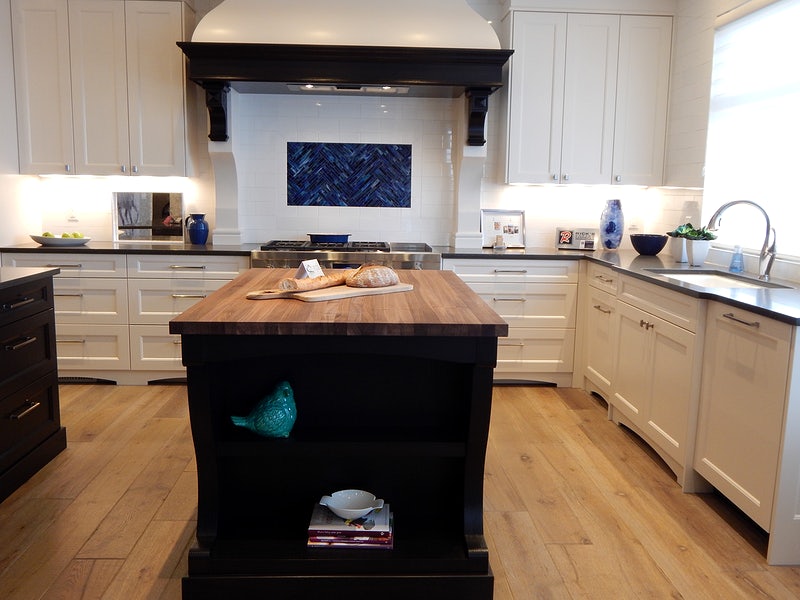
Flooring thickness influences where cabinets sit. Cabinets often go on top of the flooring to protect the floor edges. This placement hides flooring expansion gaps. Flooring installed after cabinets can cause height issues. Proper sequencing avoids uneven cabinet heights. Flooring type also affects the tools and fasteners used.
Credit: diamondkitchenandbath.com
Installation Approaches
Installing kitchen cabinets and flooring involves choices that affect the look and function of your kitchen. The order of installation can impact cost, time, and final appearance. Understanding each approach helps you decide what fits best for your project.
Installing Cabinets Before Flooring
In this method, cabinets go in first. Flooring is installed after the cabinets are set. This approach allows precise fitting around cabinet edges. It avoids cutting flooring to fit cabinet shapes. It can save material and reduce waste. But it may cause slight gaps between cabinets and floor. These gaps need careful finishing for a neat look.
Installing Flooring Before Cabinets
Here, the floor is laid before cabinets arrive. The flooring runs under the cabinets. This method creates a clean, continuous floor surface. It protects the floor edges from damage during cabinet installation. It also makes future cabinet replacements easier. On the downside, it requires more flooring material. Cutting the floor around cabinet outlines takes more time and skill.
Pros And Cons Of Each Method
Installing cabinets first saves flooring material and speeds up the floor job. Gaps between cabinets and floor may need extra attention. Installing flooring first offers a seamless floor look and better floor protection. It costs more and takes longer to cut and fit flooring. Both methods have benefits. Your choice depends on budget, timeline, and style preference.
Expert Tips For Seamless Installation
Installing kitchen cabinets over flooring needs careful steps for a smooth finish. Proper planning and precision help avoid problems later. Follow these expert tips for seamless cabinet installation over your floor.
Measuring And Planning
Start by measuring the kitchen space accurately. Measure the floor and wall areas where cabinets will go. Double-check measurements before buying cabinets or flooring materials. Plan the layout to ensure cabinets fit well on the floor. Consider doors, appliances, and plumbing locations during planning.
Dealing With Uneven Floors
Floors are often not perfectly flat. Check for dips, bumps, or slopes before installation. Use shims or leveling compounds to even out the floor surface. Secure cabinets firmly to walls, not just the floor. This prevents wobbling and keeps cabinets stable over time.
Allowing For Expansion Gaps
Wood and laminate flooring expand with temperature and humidity changes. Leave small gaps around cabinets to allow flooring to expand. These gaps prevent buckling and damage to both cabinets and floor. Use trim or molding to cover gaps neatly after installation.
Tools And Materials Needed
Installing kitchen cabinets requires the right tools and materials. Using proper equipment makes the job easier and safer. It also ensures your cabinets fit well on top of the flooring. Below are the main tools and materials needed for this task.
Essential Installation Tools
- Measuring tape for precise measurements
- Level to keep cabinets straight
- Power drill with screwdriver bits
- Stud finder to locate wall supports
- Clamps to hold cabinets in place
- Hammer for minor adjustments
- Utility knife for trimming materials
- Carpenter’s square for right angles
Recommended Materials
- Kitchen cabinets designed for flooring height
- Shims to adjust cabinet height
- Screws suitable for wood and wall studs
- Wood filler for small gaps or holes
- Caulk for sealing edges
- Construction adhesive for added support
- Floor protection sheets to prevent damage
Safety Equipment
- Safety goggles to protect your eyes
- Work gloves to protect your hands
- Dust mask to avoid inhaling dust
- Ear protection if using loud tools
- Proper footwear with good grip
Common Installation Challenges
Installing kitchen cabinets over flooring has its own set of challenges. These challenges can affect both the look and function of your kitchen. Knowing what to expect helps you avoid common mistakes. It also makes the process smoother.
Many homeowners face issues with door clearance, floor damage, and alignment. Each problem needs careful attention. Fixing these issues early saves time and money later.
Handling Door Clearance
Door clearance is a top concern when cabinets go on flooring. If the cabinet doors do not have enough space, they can hit the floor. This causes scratches and wear on both doors and flooring. Measuring door swing before installation is key. Allow a small gap between the door bottom and floor. This prevents damage and ensures smooth opening and closing.
Avoiding Floor Damage
Floor damage often happens during cabinet installation. Heavy cabinets can scratch or dent the floor. Sliding cabinets into place without protection worsens this. Use protective pads or cardboard under cabinets while moving them. Install cabinets gently to avoid hitting the floor. Taking these steps keeps your flooring safe and clean.
Fixing Alignment Issues
Proper alignment is vital for good-looking cabinets. Uneven floors make it hard to line cabinets up straight. Misaligned cabinets cause doors and drawers to stick or not close fully. Use shims to level cabinets on uneven floors. Check the alignment with a level tool. Adjust as needed before securing cabinets permanently. This ensures a neat and functional kitchen setup.

Credit: calahanbath.com
Maintenance After Installation
Maintaining kitchen cabinets after installation is essential to keep them looking fresh and lasting longer. Proper care protects the surfaces from damage and wear. Simple habits and regular cleaning help maintain their beauty and function.
Knowing how to clean and protect cabinets saves you time and money. It also keeps your kitchen safe and healthy. Here are some easy tips for maintaining your cabinets after installation.
Cleaning Tips
Wipe cabinets with a soft cloth and mild soap. Avoid harsh chemicals that can damage the finish. Clean spills immediately to prevent stains. Use a dry cloth to remove moisture after cleaning. Regular dusting stops dirt buildup in corners and edges.
Preventing Wear And Tear
Use cabinet handles to avoid fingerprints on wood. Avoid slamming doors or drawers to protect hinges. Keep sharp objects away from cabinet surfaces. Use mats or liners inside drawers to reduce scratches. Check for loose screws and tighten them regularly.
When To Call A Professional
Call a professional if cabinets show deep scratches or cracks. Seek help for water damage or mold growth. Professionals can fix broken hinges or doors. They can refinish cabinets to restore their original look. Don’t wait too long to get repairs done.

Credit: www.youtube.com
Frequently Asked Questions
Do Kitchen Cabinets Go On Top Of Flooring?
Typically, kitchen cabinets are installed directly on the subfloor before flooring. This ensures a level base and prevents damage to flooring during cabinet installation.
Can Flooring Be Installed After Cabinets?
Yes, flooring can be installed after cabinets. However, it may cause gaps or uneven transitions between floors and cabinets.
What Flooring Is Best Under Kitchen Cabinets?
Plywood or cement board is often placed under cabinets. Durable materials like tile or vinyl work best for flooring around cabinets.
How Does Cabinet Installation Affect Flooring Choice?
Cabinet installation influences flooring thickness and type. Choose flooring that complements cabinet height and allows smooth countertop alignment.
Conclusion
Kitchen cabinets usually go on top of the flooring for a clean look. This method helps keep floors even and protects them. It also makes future floor repairs easier. Always measure carefully before installation to avoid mistakes. Choosing the right order saves time and money.
Remember, simple steps lead to a strong kitchen design. Your kitchen will look neat and last longer this way. Keep these tips in mind for your next project.

As the chief content writer, Hassan Al Sarker works as a professional kitchen-based content creator at Kitchen Liker.
In addition to reviewing the content published on Kitchen Liker, he ensures that it is accurate, relevant, and helpful. As a result, all the reviews and information published at Kitchen Liker are neutral and userfriendly.
Hassan Al Sarker has a bachelor’s degree in Hotel and Tourism Management From the Newyork University. Before joining Kitchen Liker, he was a contributor at Kitchen Club, United States.