
Are you planning a kitchen makeover or building a new one from scratch? One of the key details you can’t afford to overlook is the depth of your kitchen cabinets.
Choosing the right depth affects not just how your kitchen looks, but also how functional and comfortable it feels every day. Wondering what the standard depth of kitchen cabinets is and why it matters to you? Keep reading, because getting this detail right will make your cooking space more organized, efficient, and enjoyable.
Let’s dive into everything you need to know to make the best choice for your kitchen.
:max_bytes(150000):strip_icc()/guide-to-common-kitchen-cabinet-sizes-1822029-base-6d525c9a7eac49728640e040d1f90fd1.png)
Credit: www.thespruce.com
Kitchen Cabinet Depth Basics
Understanding kitchen cabinet depth helps create a functional kitchen space. Cabinet depth affects storage, countertop space, and overall kitchen design. Knowing standard measurements guides better choices for your kitchen layout.
Standard depths also ensure cabinets fit appliances and provide enough workspace. This section breaks down the common depths for base, wall, and tall kitchen cabinets.
Standard Base Cabinet Depth
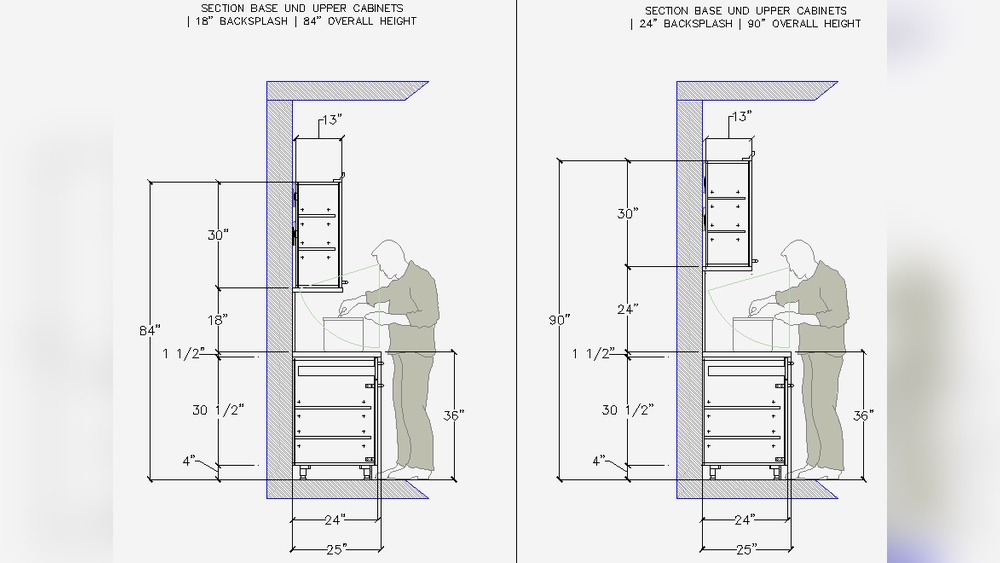
Base cabinets usually have a depth of 24 inches. This size fits most kitchen counters and appliances. It offers good storage without crowding the kitchen. The 24-inch depth also allows enough space for drawers and shelves inside the cabinet.
Standard Wall Cabinet Depth
Wall cabinets are shallower than base cabinets. They typically have a depth of 12 inches. This size keeps the kitchen open and prevents wall cabinets from sticking out too far. It also provides easy access to items stored inside.
Tall Cabinet Depth
Tall cabinets, like pantry or broom closets, often match base cabinet depth. They usually measure 24 inches deep. This depth maximizes storage space without making the kitchen feel cramped. Tall cabinets provide room for larger items and bulk storage needs.

Credit: vhomedesign.com.my
Factors Influencing Cabinet Depth
The depth of kitchen cabinets depends on several important factors. These factors help decide the best size for your kitchen’s cabinets. Choosing the right depth improves both function and style. It helps make the kitchen easy to use and keeps it looking neat.
Kitchen Layout And Space
The size of your kitchen affects cabinet depth. Small kitchens need shallower cabinets to save space. Larger kitchens can have deeper cabinets for more storage. The layout, such as L-shape or galley, also guides cabinet size. Cabinets must fit well without blocking walkways or appliances.
Appliance Integration
Cabinets often need to fit around appliances. Fridges, ovens, and dishwashers have set depths. Cabinets should match or complement these sizes. This creates a smooth look and easy access. Appliance size can limit how deep cabinets should be.
Storage Needs
Think about what you want to store inside. Deeper cabinets hold larger pots and pans. Shallow cabinets work well for plates and glasses. Customizing depth helps keep items organized and reachable. Storage needs shape the cabinet depth for your kitchen.
Customizing Cabinet Depth
Customizing cabinet depth lets you change the size of kitchen cabinets. It helps fit cabinets perfectly in your kitchen space. You get more storage or a sleeker look by adjusting depth. This option suits kitchens with unique layouts or special needs.
Advantages Of Custom Depth Cabinets
Custom depth cabinets give more storage space. They match your kitchen size better than standard cabinets. You can store large items easily with deeper cabinets. Shallower cabinets save room in small kitchens. Custom depth also improves kitchen flow and usability. It helps keep your kitchen neat and organized.
Considerations For Customization
Think about kitchen size before choosing cabinet depth. Measure space carefully to avoid crowding. Check how cabinet depth affects appliance use and movement. Consider your storage needs for pots, pans, and dishes. Custom cabinets might cost more and take longer to make. Choose a depth that fits your budget and kitchen style.
Measuring For Cabinets
Measuring for kitchen cabinets is a key step in planning your kitchen layout. Getting the measurements right ensures your cabinets fit perfectly and look great. It also helps avoid costly mistakes and delays during installation.
Accurate measurements give you a clear idea of the space you have. This includes wall length, ceiling height, and any obstacles like windows or pipes. Taking time to measure carefully saves effort later.
Tools Needed
Start with a tape measure that is at least 25 feet long. A pencil and paper help record your numbers clearly. A level tool checks if surfaces are straight and even. A stud finder locates wall studs for cabinet mounting. A step ladder may be needed for high areas.
Steps To Measure Accurately
First, measure the length of each wall where cabinets will go. Write down each measurement in inches or feet. Next, measure the height from floor to ceiling. Check for obstacles like doors, windows, or vents. Measure their distance from corners and the floor. Use a level to confirm walls are straight. Mark the locations of electrical outlets and plumbing. Double-check all numbers before moving on. Accurate notes help you plan cabinet depth and placement well.
Impact On Kitchen Functionality
The depth of kitchen cabinets plays a big role in how the kitchen works. It affects how easy it is to reach items and how the kitchen looks. The right depth makes cooking and cleaning smooth and fast. It also helps keep the kitchen neat and safe. Choosing the right size helps balance comfort and style.
Ergonomics And Accessibility
Cabinet depth affects how easy it is to use the kitchen. Standard depths let you reach items without stretching too much. Cabinets that are too deep make it hard to find things. Shallow cabinets keep items visible and easy to grab. Proper depth reduces bending and reaching, which protects your back. It helps keep daily tasks quick and safe.
Visual Balance And Design
The depth of cabinets changes the kitchen’s look. Standard depth keeps the kitchen space balanced and neat. Cabinets that stick out too far can make the room feel crowded. Too shallow cabinets might look odd or unfinished. Proper cabinet depth matches other kitchen parts like counters and appliances. This balance creates a clean and inviting kitchen space.

Credit: pelicancr.com
Trends In Cabinet Depth
Kitchen cabinet depth trends have changed with modern home designs. Different depths help fit various kitchen spaces and needs. Choosing the right depth can improve storage and kitchen flow. Homeowners now consider how cabinet depth affects both style and function.
Shallow Cabinets
Shallow cabinets offer easy access and a lighter look. They usually range from 12 to 15 inches deep. These cabinets work well in small kitchens or narrow spaces. They prevent items from getting lost in the back. Shallow cabinets keep everyday items within reach.
Deep Storage Solutions
Deep cabinets provide more space for large pots and pans. They range from 24 to 30 inches deep. These cabinets fit bigger kitchens or areas needing extra storage. Deep storage helps organize bulk items and large kitchen tools. It maximizes vertical space with pull-out shelves or drawers.
Frequently Asked Questions
What Is The Standard Depth Of Kitchen Base Cabinets?
The standard depth of kitchen base cabinets is 24 inches. This depth allows enough space for countertop overhang and storage. It fits most kitchen appliances and provides comfortable workspace clearance.
How Deep Are Standard Kitchen Wall Cabinets?
Standard kitchen wall cabinets typically have a depth of 12 inches. This size balances storage capacity with kitchen space efficiency. It keeps items within easy reach without overcrowding the room.
Why Is Cabinet Depth Important In Kitchen Design?
Cabinet depth affects storage, accessibility, and kitchen flow. Proper depth ensures efficient use of space and comfortable movement. It also impacts countertop usability and appliance installation.
Can Kitchen Cabinet Depth Vary From Standard Sizes?
Yes, kitchen cabinet depths can vary based on custom designs. Some cabinets are deeper or shallower to fit specific needs or spaces. Custom depths help optimize storage and functionality.
Conclusion
Standard kitchen cabinet depth helps keep your kitchen organized. Most base cabinets measure 24 inches deep. Wall cabinets usually have 12 inches depth. These sizes fit most kitchens and appliances well. Choosing the right depth saves space and improves storage.
It also makes your kitchen look balanced and neat. Remember, you can adjust depths for special needs. Understanding these basics makes kitchen planning easier. Keep these measurements in mind for a functional kitchen. Simple and clear choices lead to a comfortable cooking space.

As the chief content writer, Hassan Al Sarker works as a professional kitchen-based content creator at Kitchen Liker.
In addition to reviewing the content published on Kitchen Liker, he ensures that it is accurate, relevant, and helpful. As a result, all the reviews and information published at Kitchen Liker are neutral and userfriendly.
Hassan Al Sarker has a bachelor’s degree in Hotel and Tourism Management From the Newyork University. Before joining Kitchen Liker, he was a contributor at Kitchen Club, United States.