
Hanging kitchen cabinets might seem like a big job, but with the right steps, you can do it yourself and save money. Imagine how great it will feel to look at your kitchen with fresh, sturdy cabinets perfectly in place.
Whether you’re updating your space or starting from scratch, this guide will walk you through each step clearly and simply. By the end, you’ll have the confidence to tackle this project and transform your kitchen with ease. Ready to get started?
Let’s dive in!
Tools And Materials Needed
Hanging kitchen cabinets needs the right tools and materials. Having these ready makes the job easier and safer. It helps ensure the cabinets are strong and straight on the wall.
Below are the key tools and materials needed to hang kitchen cabinets properly.
Basic Tools
You need a drill to make holes and drive screws. A level is important to keep cabinets straight. A tape measure helps check distances and sizes. A stud finder locates wall studs for secure mounting. A screwdriver is useful for fine adjustments and tightening screws.
Safety Gear
Wear safety glasses to protect your eyes from dust and debris. Use work gloves to avoid splinters and cuts. Ear protection is good when using loud power tools. A dust mask keeps you safe from inhaling sawdust.
Materials For Installation
Use wood screws designed for cabinets. Cabinet brackets or hanging rails hold the cabinets securely. Shims help level cabinets on uneven walls. Wall anchors may be needed if studs are not in the right spots. Caulk and wood filler fix small gaps and holes.

Credit: www.thisoldhouse.com
Preparing The Wall
Preparing the wall is the first step in hanging kitchen cabinets. It ensures the cabinets fit well and stay secure. A strong, level wall makes the installation easier. Follow these simple steps to get your wall ready.
Locate Studs
Studs provide the support needed to hold heavy cabinets. Use a stud finder to find the wooden studs behind the drywall. Mark each stud with a pencil. Studs usually lie 16 inches apart. Find all studs along the cabinet area to ensure strong support.
Mark Cabinet Placement
Mark where each cabinet will go on the wall. Use a tape measure to measure the height and width. Draw a light pencil line at the top and bottom of each cabinet space. This helps position the cabinets accurately and avoids mistakes during installation.
Check For Level And Plumb
Use a level to check if your marks are straight. A level line keeps cabinets even and prevents gaps. Also, check if the wall is plumb, meaning perfectly vertical. Fix any uneven spots before hanging. This step ensures your cabinets look neat and work well.
Assembling The Cabinets
Assembling kitchen cabinets is a key step in the installation process. It prepares the cabinets for secure mounting on the walls. Proper assembly ensures stability and functionality. Follow clear steps to attach doors, install shelves, and secure cabinet boxes.
Attach Cabinet Doors
Start by aligning the cabinet doors with the frame. Use hinges to connect doors to the cabinet box. Tighten screws to keep doors steady. Adjust the hinges to make doors close evenly. Test the doors by opening and closing them. This step helps cabinets look neat and work well.
Install Shelves
Next, place the shelves inside the cabinet. Use shelf pins or brackets to hold shelves in place. Make sure shelves sit level and stable. Adjust shelf height if the cabinet design allows. Proper shelves improve storage and keep items organized.
Secure Cabinet Boxes
Finally, check all parts of the cabinet box. Tighten all screws and connectors. Make sure the box is square and strong. Reinforce corners if needed. Securing the cabinet box prevents movement and ensures safety. This step prepares cabinets for wall mounting.
Credit: www.cabinetcorp.com
Mounting Upper Cabinets
Mounting upper cabinets is a key step in kitchen cabinet installation. Proper mounting ensures cabinets are strong and safe. Follow clear steps to hang them correctly. This prevents damage and makes your kitchen look neat.
Use A Ledger Board
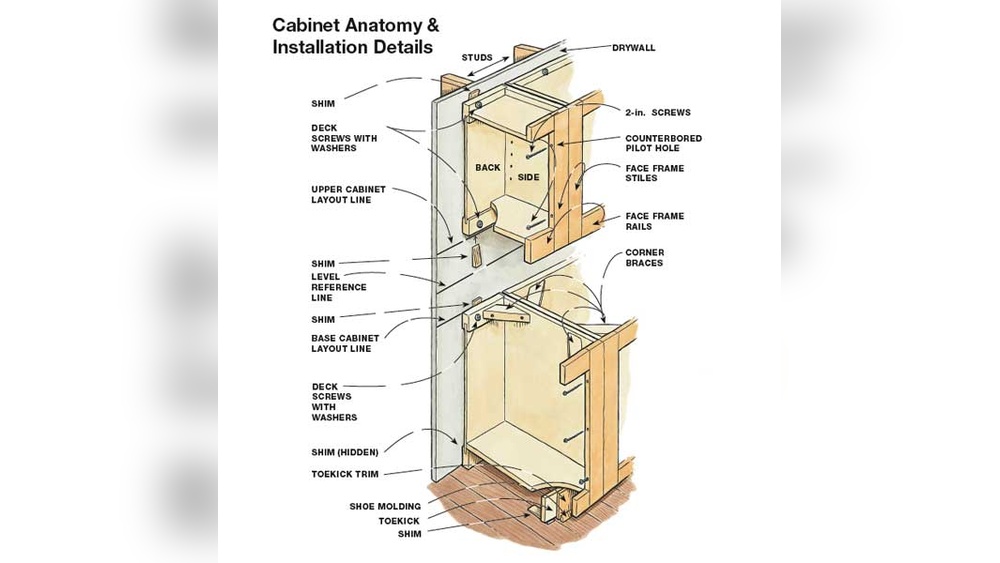
Start by attaching a ledger board on the wall. The board holds the cabinets while you work. Place it at the height where cabinets will hang. Use a level to keep it straight. Secure the board firmly to studs for support.
Lift And Position Cabinets
With help, lift the cabinet onto the ledger board. Push it tight against the wall. Check the cabinet is level side to side. Adjust as needed to get a perfect fit. Hold the cabinet steady before moving to the next step.
Screw Cabinets Into Studs
Drive screws through the cabinet back into wall studs. Use long screws for strong hold. Place screws at the top and bottom of the cabinet frame. Tighten screws evenly to avoid gaps. Check the cabinet stays level during this step.
Installing Lower Cabinets
Installing lower kitchen cabinets sets the foundation for your entire kitchen. These cabinets hold heavy items and support countertops. Proper installation ensures stability and a neat look. Careful steps help avoid future problems like uneven surfaces or loose cabinets.
Level The Base Cabinets
Start by checking the floor for any bumps or dips. Use a level tool on the cabinet base to find uneven spots. Shim under the cabinets to fix any tilt or wobble. Ensuring cabinets are level prevents doors from swinging open or closing poorly.
Secure Cabinets To Wall And Floor
Find wall studs using a stud finder and mark their positions. Drill pilot holes through the cabinet back panel into the studs. Use long screws to attach cabinets firmly to the wall. Also, secure the cabinet base to the floor if possible for extra strength.
Connect Cabinets Together
Place cabinets side by side, aligning their edges carefully. Drill pilot holes through the side panels where they meet. Use clamps to hold cabinets tight before screwing them together. Connecting cabinets creates a solid, continuous line for your kitchen.

Credit: www.familyhandyman.com
Adjusting And Finishing
After hanging your kitchen cabinets, adjusting and finishing are crucial steps. They ensure your cabinets look perfect and function well. These steps help make small fixes and improve the overall appearance.
Take your time with adjustments. Proper finishing adds a polished touch. It also protects your work and makes your kitchen cabinets last longer.
Align Doors And Drawers
Check all doors and drawers for even gaps. Adjust the hinges to fix misalignment. Doors should open and close smoothly without rubbing. Drawers need to slide in and out easily. Small tweaks can make a big difference here.
Fill Screw Holes
Use wood filler to cover visible screw holes. Smooth the filler with a putty knife. Let it dry completely before sanding. Sand the area to blend it with the cabinet surface. This step hides imperfections and prepares cabinets for painting or staining.
Add Trim And Molding
Install trim or molding around cabinets for a finished look. Choose styles that match your kitchen design. Nail the trim carefully and fill nail holes with wood filler. Paint or stain trim to match cabinets. This step improves aesthetics and hides gaps between cabinets and walls.
Safety Tips
Safety is the top priority while hanging kitchen cabinets. Taking precautions helps prevent injuries and damage. This section covers key safety tips to follow during the project.
Wear Protective Gear
Always wear safety glasses to protect your eyes from dust and debris. Use gloves to guard your hands against sharp edges and splinters. Wear sturdy shoes to protect your feet from falling tools or cabinets.
Use Proper Tools
Choose the right tools for each task. Check that tools are in good condition before use. Avoid makeshift tools that can slip or break easily.
Secure The Work Area
Clear the space of obstacles and clutter. Keep children and pets away from the work zone. Make sure the area is well-lit to see clearly.
Lift Carefully
Kitchen cabinets can be heavy. Use your legs, not your back, to lift. Ask for help if the cabinets are too heavy to lift alone.
Check Wall Structure
Locate studs in the wall before hanging cabinets. Use a stud finder to ensure cabinets attach securely. Avoid mounting cabinets on weak or damaged walls.
Follow Manufacturer Instructions
Read and follow all instructions that come with your cabinets. This ensures safe and proper installation. Do not skip any safety steps mentioned.
Frequently Asked Questions
How Do You Find Studs For Hanging Cabinets?
Use a stud finder to locate studs behind the wall. Mark each stud with a pencil for precise cabinet mounting. Studs provide strong support and prevent cabinets from falling.
What Tools Are Needed To Hang Kitchen Cabinets?
You need a drill, level, measuring tape, stud finder, screws, and a helper. These tools ensure accurate and safe installation of kitchen cabinets.
How High Should Kitchen Cabinets Be Hung?
Hang upper cabinets 18 inches above the countertop for optimal workspace and comfort. This height balances accessibility and usability in most kitchens.
Can I Hang Cabinets On Drywall Alone?
No, drywall alone can’t support cabinet weight. Always secure cabinets to wall studs for safety and durability. Use anchors only for lightweight items.
Conclusion
Hanging kitchen cabinets can seem tough at first. Take your time and follow each step carefully. Use the right tools for better results. Measure everything twice to avoid mistakes. Secure the cabinets firmly to the wall studs. Ask for help if the cabinets are heavy.
With patience, your kitchen will look neat and organized. Enjoy your new space and the work you did. Small efforts bring big changes. Keep practicing, and you will get better.

As the chief content writer, Hassan Al Sarker works as a professional kitchen-based content creator at Kitchen Liker.
In addition to reviewing the content published on Kitchen Liker, he ensures that it is accurate, relevant, and helpful. As a result, all the reviews and information published at Kitchen Liker are neutral and userfriendly.
Hassan Al Sarker has a bachelor’s degree in Hotel and Tourism Management From the Newyork University. Before joining Kitchen Liker, he was a contributor at Kitchen Club, United States.