

Are you planning to remodel your kitchen but feeling stuck about what to tackle first? Should you install new floors before the cabinets, or is it smarter to start with the cabinets and then worry about the flooring?
This decision might seem small, but it can affect your entire project’s budget, timeline, and final look. Knowing the right order can save you time, money, and a lot of frustration. Keep reading, and you’ll discover the best approach to make your kitchen remodel smooth and successful from start to finish.

Credit: www.mayriverflooring.com
Choosing Floors Or Cabinets First
Choosing whether to install floors or cabinets first is a key step in kitchen remodeling. This decision affects the entire project timeline and final look. Both options have pros and cons, depending on your kitchen’s layout and materials. Understanding the factors that influence this choice helps make the process smoother.
Factors Influencing The Decision
Budget plays a major role in deciding the order. Cabinets are often more expensive and take longer to install.
Floor type matters too. Some floors, like tile or hardwood, are delicate and need protection during cabinet installation.
Kitchen size and design also affect the choice. Smaller kitchens might benefit from installing cabinets first to save space.
Contractor preference and experience can guide the decision. They know which method works best for your situation.
Timing is important. Floors installed first can make the kitchen feel complete and help with accurate cabinet placement.
Common Industry Practices
Many professionals install cabinets before flooring. This prevents damage to new floors during cabinet setup.
Others prefer flooring first to create a seamless, clean look under and around cabinets.
Some contractors recommend installing flooring only in visible areas if cabinets cover some floor space.
Industry experts often suggest coordinating both tasks to reduce errors and delays.
Ultimately, the best method depends on your kitchen’s needs and the team you hire.
Benefits Of Installing Floors First
Choosing to install floors before cabinets offers many benefits during a kitchen remodel. It makes the entire process smoother and more efficient. Floors set the foundation for the whole space. This helps ensure cabinets fit perfectly and look great.
Installing floors first also protects cabinets from damage. Cabinets sit on a clean, stable surface. This reduces the risk of scratches, dents, or dirt. The final look becomes neater and more professional.
Protecting Cabinets From Damage
Floors installed first create a safe, even base for cabinets. Workers move heavy tools and materials without scratching the cabinets. Dust and debris from floor work do not settle on finished cabinets. This keeps cabinets clean and free from marks. Cabinets stay in better condition throughout the project.
Creating A Seamless Look
Installing floors before cabinets allows the flooring to run under cabinets. This creates a smooth, continuous surface. Gaps or uneven edges around cabinets are avoided. The kitchen looks more polished and well-planned. Flooring transitions are cleaner and easier to maintain over time.
Advantages Of Installing Cabinets First
Choosing to install cabinets first during a kitchen remodel has clear benefits. It simplifies the overall process and helps avoid common issues. This approach makes the kitchen layout more precise and efficient. Here are key advantages of installing cabinets before the floors.
Easier Cabinet Placement
Installing cabinets first allows for exact cabinet positioning. Cabinets can be aligned to the walls without worrying about floor patterns. This avoids cutting or fitting floors around cabinet edges. Cabinets sit firmly on the subfloor, ensuring stability. It reduces the chance of gaps or uneven surfaces under cabinets. The result is a cleaner and more professional look.
Cost And Time Considerations
Starting with cabinets can lower remodeling costs. There is less risk of damaging new floors during cabinet installation. It also saves time by removing extra floor cutting or fixing steps. Flooring installers can work around cabinets, speeding up the process. This method reduces material waste and the need for repairs. Overall, it helps complete the kitchen remodel faster and more affordably.
Types Of Flooring And Their Impact
Choosing the right kitchen floor is important. It affects the room’s look and feel. The floor also influences the cabinet installation process. Different materials have different needs and durability levels. Understanding these helps plan the remodel better.
Some floors need special care before installing cabinets. Others fit easily around kitchen units. The floor choice impacts cost and time too. Knowing the types can guide your decision on what to install first.
Hardwood And Laminate Floors
Hardwood floors add warmth and style to kitchens. They require a flat and stable base before cabinets go in. Wood can expand and shrink with temperature changes. Installing floors first prevents gaps around cabinets later.
Laminate flooring looks like wood but costs less. It is easier to install and resists scratches well. Like hardwood, laminate benefits from going under cabinets. This method keeps floors smooth and protects cabinet edges.
Tile And Stone Options
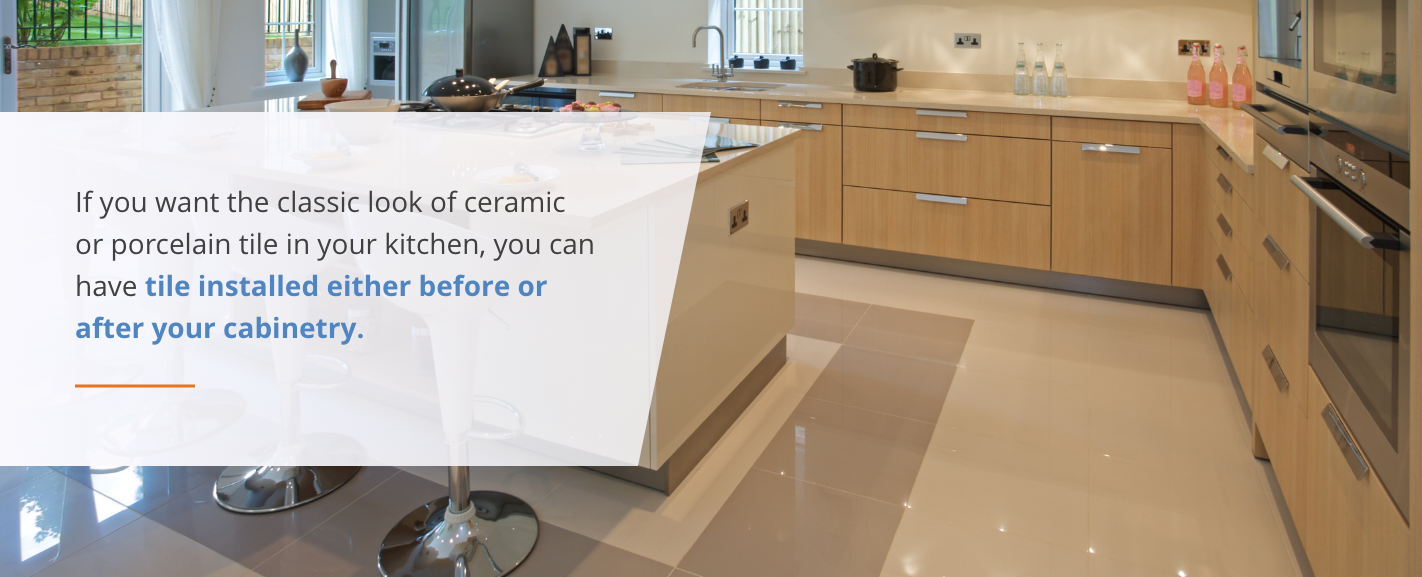
Tile and stone floors are strong and water-resistant. They last long and handle kitchen spills well. Tiles need precise cutting to fit around cabinets. Many builders prefer to lay tile after cabinets to avoid damage.
Stone floors, such as marble or granite, are luxurious but fragile. Installing cabinets first protects these floors from heavy tools. Tiles and stone also require grout, which can crack if disturbed. Planning the floor and cabinet order is key.
Cabinet Styles Affecting Installation Order
Choosing the right cabinet style changes the order of kitchen work. Cabinets are the main part of your kitchen. Their style and design decide what goes first during installation.
Some cabinets need special care when placing floors. Others fit better with floors already done. Understanding these details helps plan your kitchen remodel well.
Custom Vs. Prefabricated Cabinets
Custom cabinets are made to fit your space exactly. They often arrive after floors are done. This helps avoid damage and ensures a perfect fit.
Prefabricated cabinets come in standard sizes. They can go in before or after the floor. Sometimes, floors are laid after cabinets to hide gaps or uneven edges.
Custom cabinets need precise measurements. Flooring first helps set those measurements right. Prefab cabinets allow more flexibility in the order.
Built-in Appliances And Fixtures
Built-in appliances need special cabinet space. These include ovens, microwaves, and dishwashers. Cabinets with appliance slots may require floor plans first.
Fixtures like sinks and cooktops also affect cabinet placement. Plumbing and electrical work must be ready before cabinet installation.
Planning around these appliances ensures smooth fitting. Floors might need to be installed first to align with cabinet openings.
Credit: 50floor.com
Tips From Kitchen Remodeling Experts
Experts in kitchen remodeling share key tips for deciding what comes first: floors or cabinets. Their advice helps avoid costly mistakes and keeps the project on track. Understanding these tips ensures a smooth remodel and a beautiful outcome.
Coordinating With Contractors
Good communication with contractors is essential. Discuss the order of work clearly before starting. Contractors can explain the benefits of installing floors first or cabinets first. This helps prevent damage and extra work later.
Choose contractors who have experience with kitchen remodeling. They know how to handle tricky situations. Share your priorities and timeline with them. This teamwork reduces stress and improves results.
Scheduling And Project Timeline
Plan the schedule carefully. Flooring and cabinet installation often overlap. Decide which task fits better first based on your kitchen layout. Flooring first protects the subfloor and creates a solid base.
Some experts suggest installing cabinets first to avoid floor scratches. Others prefer floors first to get the full floor look. Set clear start and finish dates for each step. This keeps the project moving smoothly.
Common Mistakes To Avoid
Remodeling a kitchen involves many steps. Choosing whether to install floors or cabinets first is key. Avoiding common mistakes can save time and money. These errors often cause delays or extra costs. Knowing what to watch for helps the project run smoothly.
Ignoring Subfloor Conditions
Many people forget to check the subfloor before starting. A damaged or uneven subfloor can ruin new floors. It can also cause cabinets to sit unevenly. Always inspect and repair the subfloor first. This step ensures a solid base for both floors and cabinets.
Overlooking Future Renovation Plans
Some skip thinking about future kitchen changes. New appliances or layouts might need extra space. Floors installed without this in mind may need removing later. Cabinets may not fit well with future designs. Plan ahead to avoid costly rework down the road.
Budgeting For Floors And Cabinets
Budgeting for floors and cabinets is a key step in kitchen remodeling. Both elements affect the look and function of the space. Careful planning helps avoid overspending and delays. Understanding costs and priorities guides smart choices.
Cost Breakdown
Cabinets often take the largest part of the budget. Quality, style, and material affect the price. Custom cabinets cost more than ready-made ones. Floors vary widely in price. Hardwood and tile are usually pricier than vinyl or laminate. Installation fees add to the total cost for both floors and cabinets.
Set aside money for unexpected expenses. Repairs or changes can increase costs. Knowing the price range helps set a realistic budget. This prevents stress during the project.
Prioritizing Expenses
Decide which feature matters most. Cabinets shape storage and style. Floors impact comfort and durability. Some homeowners choose higher quality cabinets first. Others prefer investing in long-lasting floors. Balancing costs ensures both elements fit the budget.
Think about the kitchen’s daily use. Busy kitchens may need tougher floors. Those who cook often want functional cabinets. Prioritize based on lifestyle and needs. This approach makes the kitchen both beautiful and practical.

Credit: groysmanconstruction.com
Frequently Asked Questions
Should I Install Floors Before Or After Cabinets?
Installing floors before cabinets is generally preferred. It ensures a seamless look and allows for future cabinet replacements without floor damage. However, in some cases, cabinets go first to save on flooring costs. The choice depends on your budget and remodeling goals.
What Are The Benefits Of Flooring Before Cabinets?
Flooring first provides a uniform base and makes cleaning easier. It also prevents gaps between floors and cabinets, enhancing durability. This method offers flexibility for future cabinet changes without redoing floors, adding long-term value to your kitchen remodel.
Can Cabinets Be Installed Without Finished Floors?
Yes, cabinets can be installed without finished floors. However, this may cause alignment issues and increase wear on unfinished floors during installation. It can also limit future flooring options and affect the overall kitchen appearance and durability.
How Does Cabinet Installation Order Affect Kitchen Remodeling Cost?
Installing floors first may increase upfront flooring costs but reduces future remodeling expenses. Cabinets first might lower initial costs but could require floor adjustments later. Choosing the right sequence depends on your budget, timeline, and long-term kitchen plans.
Conclusion
Choosing whether to install floors or cabinets first can affect your kitchen remodel. Starting with floors helps protect your new surface from damage. Installing cabinets first can save time but may risk floor scratches. Think about your budget, timeline, and style.
Each home is different. Plan carefully to avoid extra work and costs. A clear plan makes the process smoother and more efficient. Your kitchen will look great when you follow the right order. Take your time and enjoy the transformation.

As the chief content writer, Hassan Al Sarker works as a professional kitchen-based content creator at Kitchen Liker.
In addition to reviewing the content published on Kitchen Liker, he ensures that it is accurate, relevant, and helpful. As a result, all the reviews and information published at Kitchen Liker are neutral and userfriendly.
Hassan Al Sarker has a bachelor’s degree in Hotel and Tourism Management From the Newyork University. Before joining Kitchen Liker, he was a contributor at Kitchen Club, United States.