
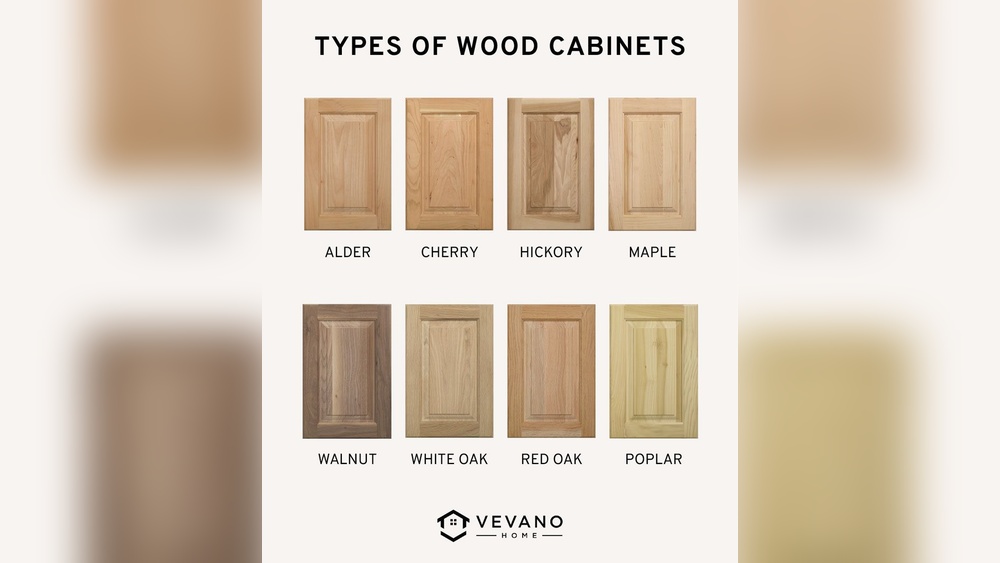
Choosing the right wood for your kitchen cabinets can feel overwhelming. After all, your cabinets set the tone for your entire kitchen’s style and durability.
You want something that looks beautiful, lasts long, and fits your budget. But with so many options out there, how do you know which wood is best for your kitchen cabinets? This guide will help you understand the key differences and find the perfect match for your home.
Keep reading, and you’ll soon feel confident about making the best choice for your kitchen.
Popular Wood Types For Cabinets
Choosing the right wood for kitchen cabinets affects durability and style. Different wood types offer unique looks and strengths. Understanding popular wood options helps make a smart choice. This guide covers hardwood, softwood, and engineered wood choices.
Hardwood Options
Hardwoods come from slow-growing trees. They are dense and strong. Oak is a top choice with a classic grain. Maple offers a smooth, light finish that suits many styles. Cherry wood darkens over time, adding warmth. Hickory is tough and has bold patterns. Hardwoods last long and resist dents well.
Softwood Choices
Softwoods grow faster and are lighter. Pine is common and easy to work with. It has a pale color and knots for a rustic look. Cedar resists moisture and insects, good for humid kitchens. Softwoods are less expensive but can dent easier. They suit casual or country-style kitchens.
Engineered Wood Alternatives
Engineered woods combine wood fibers and glue. Plywood is strong and stable, with layers that resist warping. MDF is smooth and perfect for painted cabinets. Particleboard is budget-friendly but less durable. These woods offer consistent quality. They work well in many kitchen designs.

Credit: www.trifection.net
Durability Factors To Consider
Choosing the right wood for kitchen cabinets means thinking about how long it will last. Durability is key because kitchen cabinets face daily use. Good wood should stand up to wear, moisture, and scratches. These factors help keep cabinets looking fresh and strong for years.
Resistance To Wear And Tear
Kitchen cabinets get opened and closed many times each day. Wood that resists wear and tear holds its shape and finish longer. Hardwoods like oak, maple, and cherry are tough. They handle heavy use without showing damage fast. Softwoods may dent or wear down quickly.
Moisture And Humidity Tolerance
Kitchens often have steam and spills. Wood must tolerate moisture well to avoid warping or swelling. Woods like maple and cherry handle humidity better than others. Proper sealing also helps protect wood from water damage. Cabinets with good moisture resistance last longer in kitchen conditions.
Scratch And Dent Resistance
Scratches and dents happen easily in busy kitchens. Hard, dense woods resist marks better. Oak and hickory are known for their toughness. These woods keep cabinets looking smooth and new. Softwoods show damage more quickly and need more care.
Top Durable Woods For Kitchen Cabinets
Choosing the right wood for kitchen cabinets is important for durability and style. Some woods stand up well to daily use and last many years. These woods resist dents, scratches, and wear.
Here are some top durable woods that work great for kitchen cabinets. Each has unique features that fit different tastes and budgets.
Maple
Maple is a hard and dense wood. It resists scratches and dents well. Its smooth grain makes it easy to paint or stain. Maple cabinets give a clean, modern look to kitchens.
Oak
Oak is strong and very durable. It has a bold grain pattern that adds character. Oak cabinets handle moisture better than many woods. They suit classic and rustic kitchen styles.
Cherry
Cherry wood is tough and ages beautifully. It darkens over time, creating a warm glow. Cherry has a fine grain that looks smooth and elegant. It fits well in traditional kitchens.
Hickory
Hickory is one of the hardest woods available. It shows a lot of natural color variation. Hickory cabinets bring a rustic and strong feel to kitchens. They hold up well to heavy use.
Birch
Birch is durable and affordable. It has a fine grain and light color. Birch cabinets can be stained or painted easily. They offer a simple and clean look for many kitchens.
Comparing Wood Grains And Finishes
Choosing the right wood for kitchen cabinets means looking closely at grain and finish. These two factors shape the cabinet’s style and durability. The wood grain shows natural lines and patterns. The finish protects and changes the wood’s color. Both affect how your kitchen feels and lasts.
Grain Patterns
Wood grain varies from tight and smooth to wide and rough. Oak has a bold, open grain. Maple shows a fine, even grain. Cherry has a smooth, flowing grain that darkens with age. Grain creates texture and character. It helps match cabinets to kitchen style. Some grains hide scratches better than others.
Staining And Painting Options
Stains highlight the natural grain of wood. Dark stains bring out depth. Light stains keep a fresh look. Some woods soak stain evenly, like maple. Others, like pine, can blotch. Paint covers grain and offers many colors. Painted cabinets give a clean, modern look. Choose finishes that match your kitchen’s mood.
Maintenance Needs
Wood cabinets need care to last long. Some grains hold dirt and scratches less. Smooth grains, like maple, clean easily. Open grains, like oak, trap dust. Finishes protect wood from water and stains. Painted cabinets may need touch-ups over time. Regular cleaning keeps wood bright and healthy.
Cost And Availability
The cost and availability of wood greatly affect your kitchen cabinet choices. Wood prices vary widely depending on type, quality, and source. Some woods are common and easy to find, while others are rare and costly. Understanding these factors helps you pick the best wood for your budget and style.
Budget-friendly Woods
Pine and poplar are popular budget-friendly woods. They offer decent durability and work well with paint or stain. These woods are widely available and cost less than hardwoods. Maple is another affordable option, strong and smooth. Choosing these woods helps keep your project within budget.
Premium Choices
Cherry, walnut, and oak are premium woods for kitchen cabinets. They have rich colors and beautiful grain patterns. These woods are more expensive but add elegance and value to your kitchen. They last long and resist wear. Premium woods suit homeowners who want a high-end look.
Sourcing And Sustainability
Wood availability depends on where it grows and how it is harvested. Sustainable sourcing means the wood comes from well-managed forests. Look for certification labels like FSC or PEFC. These ensure the wood is harvested responsibly. Choosing sustainable wood supports the environment and future supplies.
:strip_icc()/wood-kitchen-with-island-03766447-c49f4840c05b42b483663e92902f4ecd.jpg)
Credit: www.bhg.com
Customizing Cabinet Wood For Style
Customizing cabinet wood shapes the style of your kitchen. Wood choice sets the tone for the whole space. It impacts warmth, texture, and mood. Each type of wood offers unique colors and grains. Picking the right wood helps create a personalized look. This section explores wood options for different kitchen styles.
Rustic And Traditional Looks
Oak and pine work well for rustic kitchens. Their rich grains add charm and warmth. Knotty pine brings natural character to cabinet surfaces. Cherry wood offers deep red tones for classic appeal. These woods show natural beauty with minimal finish. They fit kitchens with country or farmhouse themes.
Modern And Sleek Designs
Maple and birch suit modern kitchen cabinets. Their smooth grains create clean and simple looks. Walnut wood adds elegance with its dark tones. These woods handle paint or stain well for uniform finishes. They support minimalist designs and sharp lines. Ideal for kitchens with a contemporary style.
Blending Wood Types
Mixing woods can create unique cabinet styles. Use lighter woods for cabinet doors and darker ones for frames. This contrast adds depth and interest. Combining maple with cherry or oak with walnut works nicely. Blending woods allows creative freedom in kitchen design.
Tips For Choosing The Right Wood
Choosing the right wood for kitchen cabinets is key to a beautiful, lasting kitchen. The wood affects how cabinets look and how well they hold up over time. Here are some tips to help select the best wood for your kitchen cabinets.
Matching Kitchen Use And Wood Strength
Kitchens see a lot of action. Cabinets must handle daily wear and tear. Hardwoods like oak, maple, and cherry stand up well to scratches and dents. Softwoods like pine may dent more easily. Think about how much use your kitchen gets. Choose wood that matches the kitchen’s activity level. This keeps cabinets looking good longer.
Considering Long-term Durability
Wood durability means cabinets stay strong over years. Moisture and heat can damage some woods. Woods like maple and oak resist moisture better than softer woods. Proper sealing also helps protect the wood. Durable wood cuts down on repairs and replacements. This saves money and effort in the long run.
Balancing Style And Function
Wood choice affects both the style and function of cabinets. Light woods brighten small kitchens. Dark woods add warmth and richness. Grain patterns add texture and interest. Some woods have smooth grains, others are more textured. Pick wood that fits your kitchen’s style and your daily needs. This balance creates a kitchen that looks good and works well.

Credit: www.smartremodelingllc.com
Frequently Asked Questions
What Wood Type Is Best For Durable Kitchen Cabinets?
Hardwoods like maple, oak, and cherry are best for durability. They resist scratches and dents, making them ideal for kitchen use. These woods also hold stains well, offering a long-lasting finish that enhances your kitchen’s look.
Which Wood Offers The Best Value For Kitchen Cabinets?
Maple wood offers great value due to its affordability and strength. It has a smooth grain and takes paint or stain well. Maple cabinets provide a stylish, durable option without breaking your budget.
Are Softwood Cabinets Suitable For Kitchen Use?
Softwoods like pine can be used but are less durable than hardwoods. They are prone to dents and scratches. Softwoods require more maintenance and may not last as long in a busy kitchen.
How Does Wood Grain Affect Kitchen Cabinet Choice?
Wood grain affects the cabinet’s appearance and texture. Fine-grain woods like maple offer a smooth finish. Coarser grains like oak add a rustic look. Choose grain type based on your kitchen style preference.
Conclusion
Choosing the right wood shapes your kitchen’s style and durability. Hardwoods like oak and maple offer strength and classic beauty. Softer woods like pine bring warmth and cost savings. Think about your budget, taste, and how much wear cabinets will face.
The perfect wood fits your needs and lasts for years. Your kitchen can look great and stay strong with the right choice. Make sure to pick wood that matches your lifestyle and design. Simple decisions lead to a kitchen you will enjoy every day.

As the chief content writer, Hassan Al Sarker works as a professional kitchen-based content creator at Kitchen Liker.
In addition to reviewing the content published on Kitchen Liker, he ensures that it is accurate, relevant, and helpful. As a result, all the reviews and information published at Kitchen Liker are neutral and userfriendly.
Hassan Al Sarker has a bachelor’s degree in Hotel and Tourism Management From the Newyork University. Before joining Kitchen Liker, he was a contributor at Kitchen Club, United States.